Fibre Optic Contracts for Subcontractors in Germany: 5 Routes That Work in 2026
Germany’s fibre roll-out continues to hand out more work than the network operators’ own crews can deliver — and yet many civil engineering and installation companies report that plannable contracts are hard to come by. The reason is rarely a lack of demand, but the route to it: fibre optic contracts in Germany are awarded via prequalifications, subcontractor pools, tender portals and networks — not via job boards. This guide shows the five routes through which subcontractors actually win FTTH projects in 2026, what clients want to see up front, and how to calculate your bid so that winning it does not turn into a loss-maker.
A direct line instead of portal fees: We work daily with general contractors, municipal utilities and network operators looking for installation capacity. If you have crews available for civil works, cable pulling, splicing or building connections, leave us your key data via the enquiry form — trades, region and available capacity are enough for a first contact.
Where fibre optic contracts actually come from in 2026
Anyone looking for contracts should understand the market’s award logic. Four types of client dominate:
- Network operators with framework agreements: Large carriers award area lots via multi-year framework agreements to prequalified partners. Getting in is formally demanding, but afterwards delivers the most plannable order book.
- General contractors: GCs coordinate complete roll-out areas and pass a substantial share of the trades on to subcontractors — from civil works metres to building connections. This is where most entry opportunities for smaller companies arise.
- Municipal utilities and local authorities: Municipal networks are often awarded regionally and in smaller lots — ideal for companies with local presence and references.
- Subsidised projects: “Grey spot” tenders run through public procurement procedures and are visible to everyone, but require bids compliant with German VOB construction contract rules.
The five routes to a fibre optic contract
Route 1: prequalification with network operators
Network operators run supplier and subcontractor portals with formal prequalification procedures. Expect several weeks of lead time and a complete document package: trade registration, clearance certificates, proof of insurance, references and staff qualifications. The effort pays off because prequalified companies are automatically in the bidder pool for every new area award. Which credentials clients specifically demand is compiled in our article on qualifications for fibre optic subcontractors.
Route 2: subcontractor pools of the general contractors
The fastest entry usually leads via GCs that need to staff running projects. Do not apply with a generic company presentation but with a capacity profile: which trades, how many crews, what equipment, available from when, what operating radius. GCs think in availability and reliability — whoever can mobilise a crew at short notice and keeps deadlines gets the next call-off first.
Route 3: use tender portals systematically
Public and private tenders are bundled on a few platforms — from the German federal states’ procurement portals through specialised industry services to the EU Official Journal for larger volumes. What matters is a weekly search rhythm with saved filters instead of sporadic browsing. An overview of the relevant platforms with assessment can be found in our article on tender portals for fibre optic projects.
Route 4: regional networks and bidding consortia
Many lots are too big for individual small companies and too small for corporations — exactly there, bidding consortia work: a civil works company, a cable-pulling team and a splicing company jointly cover a complete lot. Chambers of trade, craft networks and the building authorities of your own region are also underestimated channels: whoever is known to the municipality as a capable contact gets asked directly for smaller awards.
Route 5: become visible via suppliers and partner networks
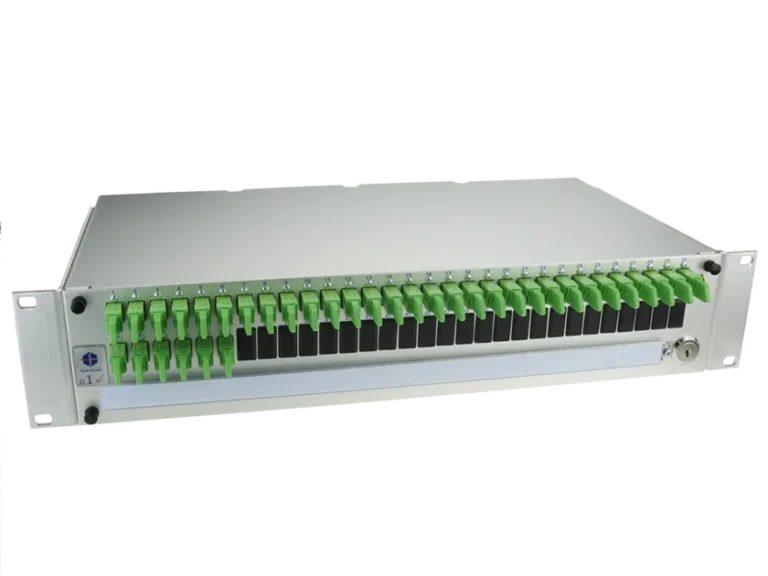
Material manufacturers and system suppliers sit between all market participants: they supply GCs, municipal utilities and network operators — and hear early where installation capacity is missing. As a manufacturer of splice boxes and system technology, such enquiries reach us regularly. That is why we bring interested parties together: companies offering capacity and clients looking for it. Regional entry points with concrete requirements can be found in our overviews, for example for Bavaria, North Rhine-Westphalia and Baden-Württemberg.
These prerequisites decide the award
Regardless of the route, applications almost always fail at the same points. Before the first acquisition attempt, you should therefore have:
- Complete formalities: current clearance certificates, business liability insurance at the required coverage level, SOKA-BAU (German construction social fund) proof — a single missing document stops any prequalification.
- Verifiable qualification: certified fibre optic technicians and documented measurement competence (OTDR) set you apart from pure civil works crews and justify better unit prices.
- References with numbers: route metres installed, building connections realised, fibres spliced — concrete quantities convince more than project lists.
- Clean documentation: whoever reliably delivers measurements, splice reports and as-built documents gets actively recommended by GCs.
Calculate before you bid
Winning contracts is only half the battle — they have to pay off. Orientation comes from the unit prices we documented in our market overview for subcontractors: open-trench civil works are typically remunerated at 45 to 75 euros per metre, complete building connections at 800 to 1,500 euros and splicing work at 8 to 15 euros per fibre — each depending on region, soil class and documentation requirements. Price in complications (traffic management, rework, waiting times at addresses not ready for construction) explicitly instead of blending them into the unit price. How a competitive yet sustainable bid is built is shown in our guide to winning fibre optic tenders.
Material as a competitive advantage
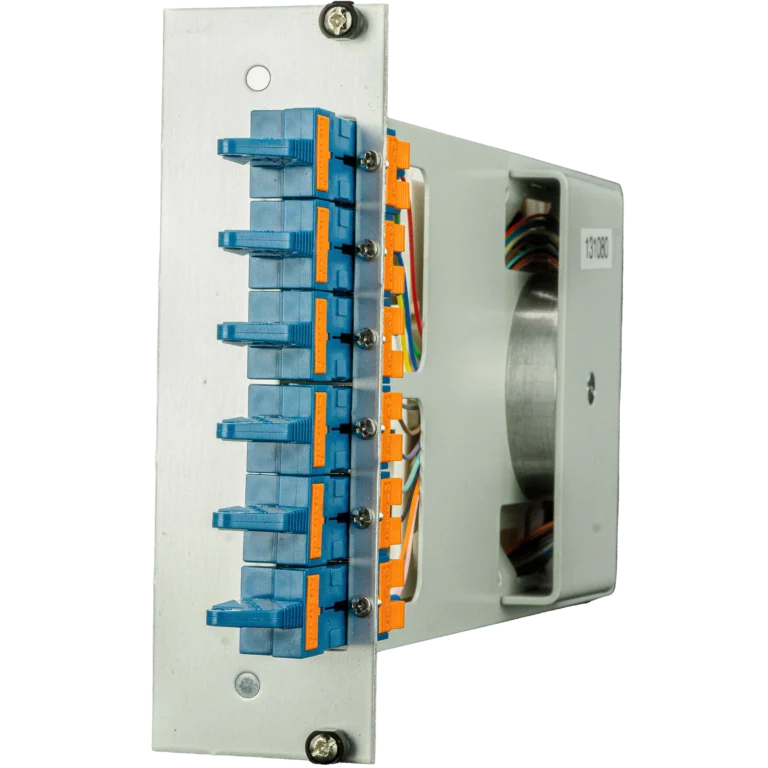
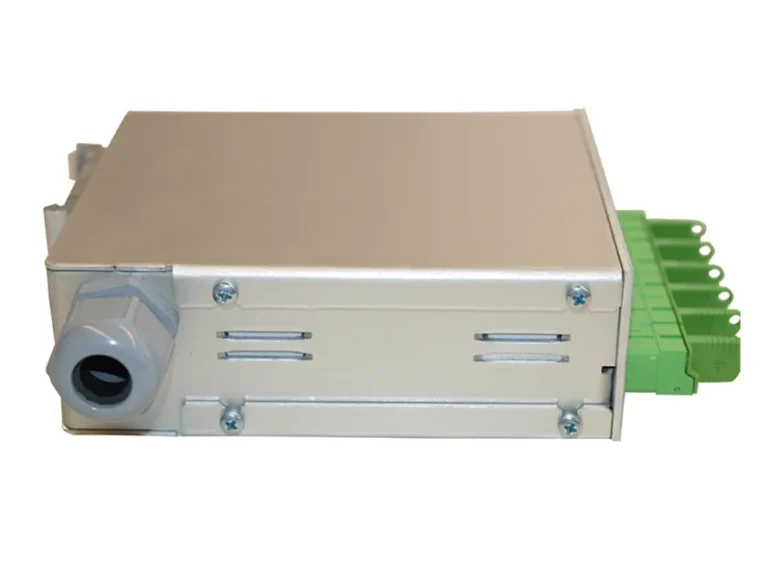
An underestimated point in negotiations with GCs and network operators: the material question. A subcontractor who calculates with manufacturer-direct conditions and reliable availability bids more sharply and does not run into delay penalties when supplies are short. We deliver our F4P splice boxes manufactured in Europe and the DIAMOND system technology in Swiss precision directly ex works — you will find the range in the online shop; project conditions are calculated on request.
Frequently asked questions
How do I win fibre optic contracts in Germany as a subcontractor?
Via five channels: prequalification with network operators, applying to the subcontractor pools of general contractors, systematically monitoring tender portals, regional networks including bidding consortia, and contacts via system suppliers. The fastest is usually a direct application to GCs with a concrete capacity profile of trades, crew count, equipment and availability date.
Which documents do I need for prequalification?
Standard requirements are trade registration, an extract from the trade or commercial register, clearance certificates from the tax office, health insurers and the employers’ liability insurance association, SOKA-BAU certificate, proof of business liability insurance, plus references and staff qualification records. Compile the package completely once and keep it current — then every further application takes only minutes.
What do clients pay for fibre optic work in Germany?
According to the unit prices documented in our market overview: open-trench civil works 45 to 75 euros per metre, horizontal directional drilling 25 to 40 euros per metre, complete building connections 800 to 1,500 euros and splicing work 8 to 15 euros per fibre. Region, soil class, complications and documentation duties shift the values within the ranges.
Do I need my own splicing equipment to bid?
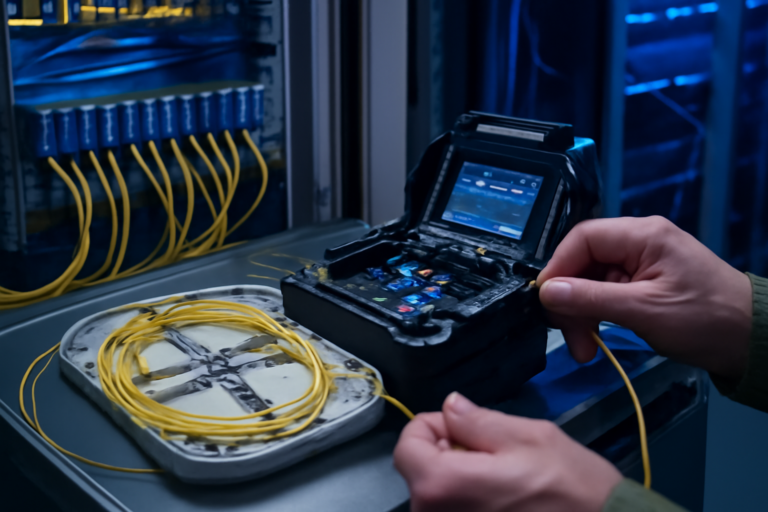
Not necessarily: many companies start with civil works and cable pulling and add splicing to their portfolio later. Those who invest, however, capture the higher-margin trades: certified splicing technicians with core-alignment machines and OTDR test equipment are in constant demand and work independently of the weather — an advantage for the company’s winter utilisation.
Are paid tender portals worth it?
Rarely as the only channel, often as a supplement: portals deliver market overview and lead time, but competition per tender is high. The best award rates are achieved by companies that combine portals with direct contacts to general contractors and regional presence — and that work through the portal filters weekly instead of sporadically.
Do you have free capacity for fibre roll-out work? Tell us your trades, operating region and available crews — we will connect you with clients from our network and support you with manufacturer-direct material conditions. Send your enquiry now — the initial consultation is free and non-binding.