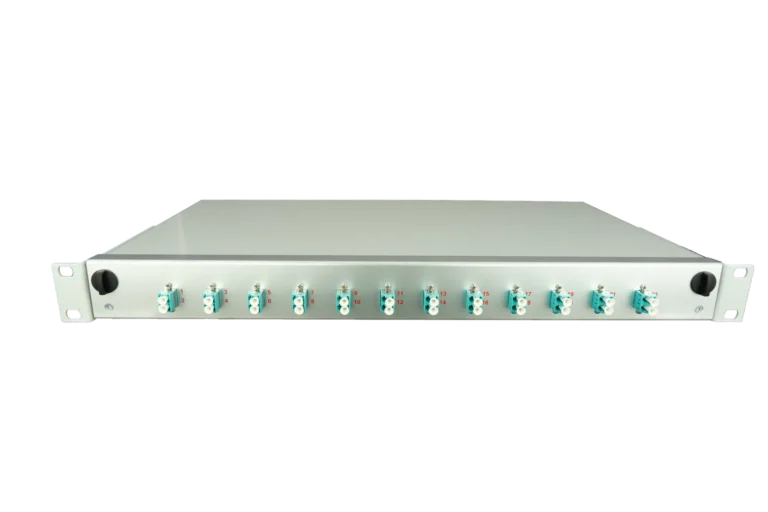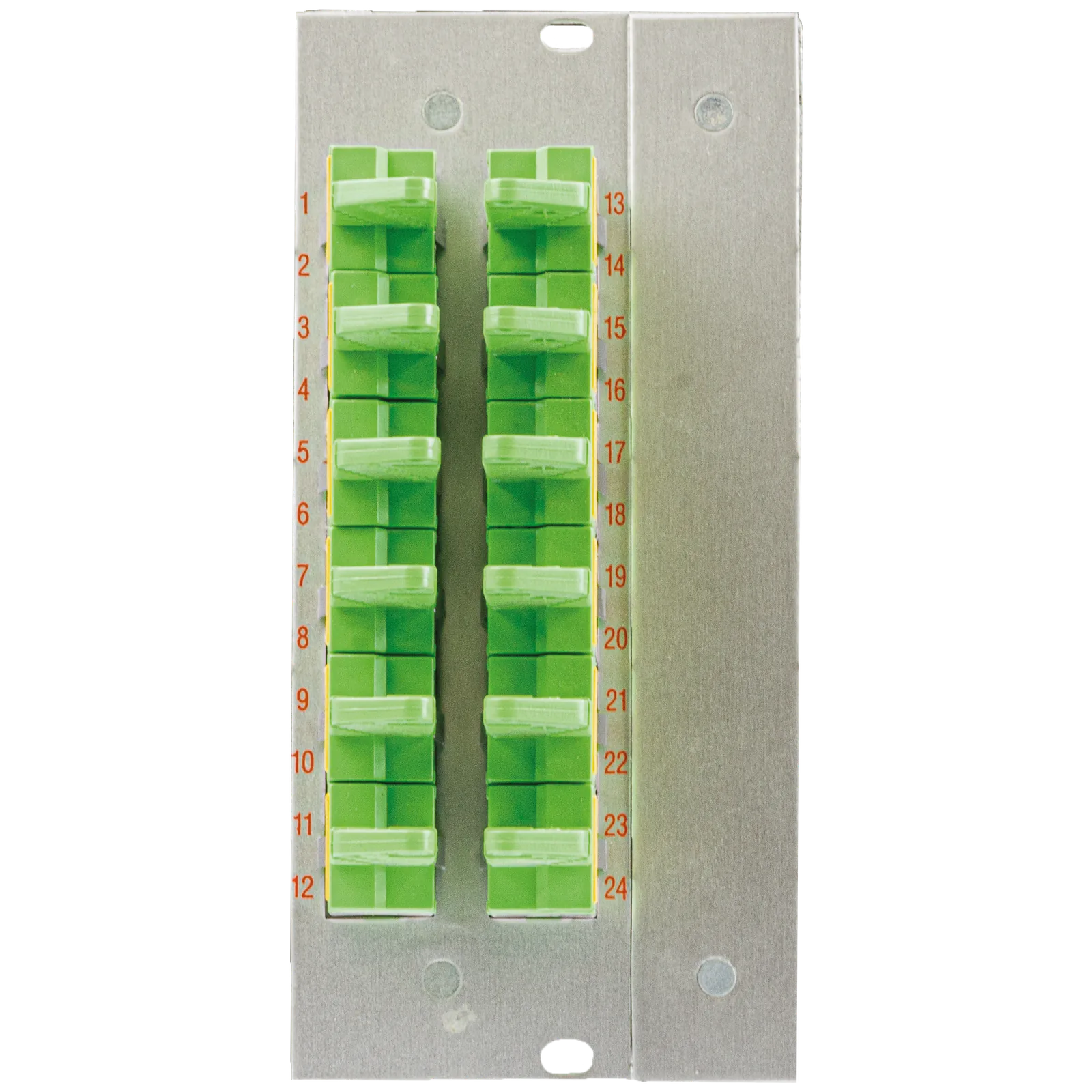
DIN-Rail Fibre Boxes: Industrial and Automation Case Studies
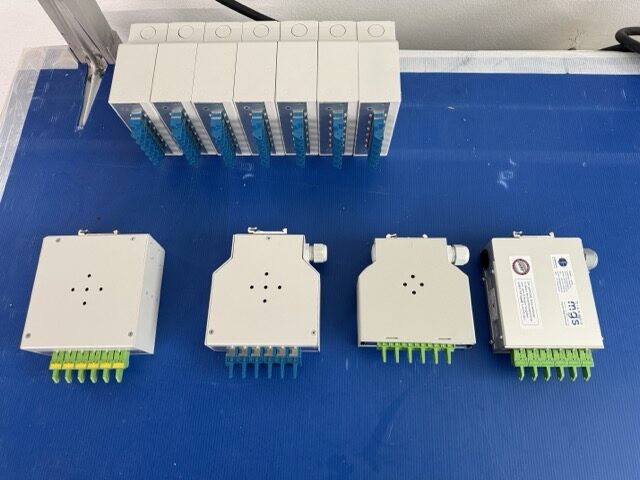
In modern industrial and utility infrastructure, reliable data networks form the backbone for control systems, monitoring installations and digitalised processes. DIN-rail fibre optic boxes have established themselves as indispensable components that enable seamless integration of fibre optic technology into existing infrastructure. This comprehensive analysis presents concrete real-world examples and demonstrates how fibre optic solutions for industry are successfully deployed across various sectors.
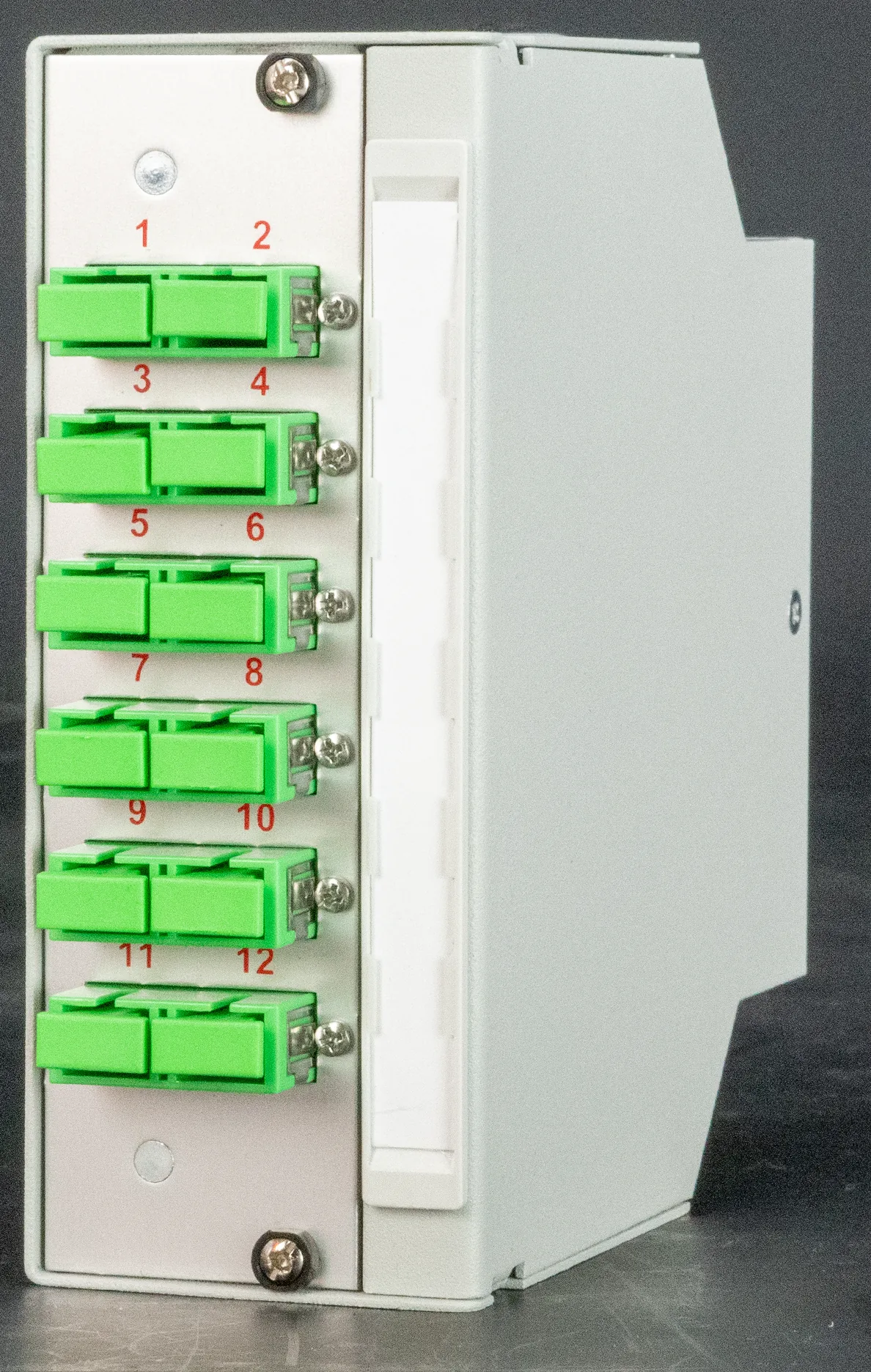
What are DIN-rail fibre optic boxes and why are they so important?
DIN-rail fibre optic boxes (also known as DIN-rail enclosures) are specialised housings for fibre optic connections that mount directly on standardised 35mm DIN rails in electrical cabinets. They provide a structured and space-efficient way to terminate and manage fibre optic cables in industrial environments.
The advantages of modern DIN-rail fibre optic boxes
Technical advantages:
- Simple installation in existing electrical cabinets
- Standardised mounting on DIN rails per IEC 60297
- Optimal utilisation of limited cabinet space
- Robust construction suitable for equipment rooms
- Flexibility in configuring various connector types
- Protection of sensitive fibre optic connections
Economic advantages:
- Reduced installation time through tool-free handling
- Lower maintenance costs through modular fiber optic systems
- Easy scalability for system expansion
- Longevity through high-quality materials
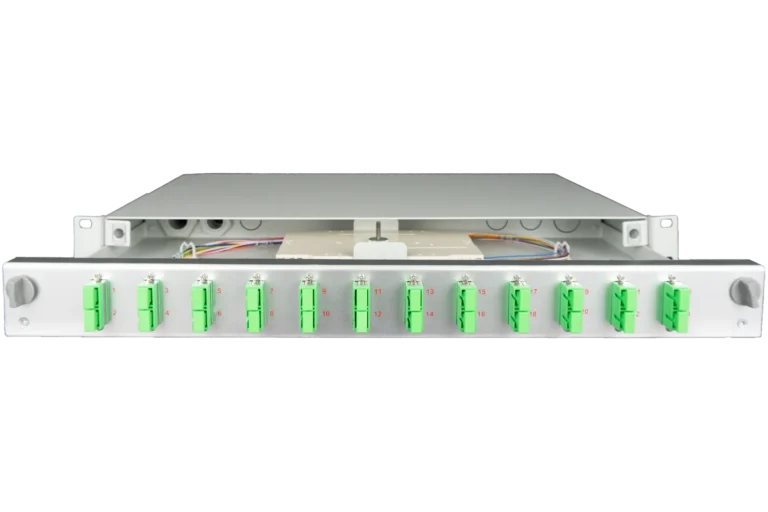
The 7TE DIN-rail fibre box from Fiber Products delivers optimal solutions for professional industrial applications.
Case Study 1: Automated production line in automotive manufacturing
The challenge
A leading automotive supplier modernised its production line for engine components. The challenge was to connect numerous sensors, control units and monitoring systems to a central control system. The environment was characterised by:
Industrial challenges:
- Strong electromagnetic fields from welding robots
- Vibrations from manufacturing machinery
- Limited space in existing electrical cabinets
- High requirements for fail-safe operation
- Temperature fluctuations between 10°C and 45°C
The solution with DIN-rail fibre optic boxes
The implementation of specialised E2000 DIN-rail fibre optic boxes enabled structured and fail-safe networking. In each of six production sections, DIN-rail fibre optic boxes were integrated into existing control cabinets. The compact design allowed installation without additional cabinet modifications.
Technical implementation:
- 24 E2000 ports per production section
- Integration into existing PROFINET infrastructure
- Use of single-mode fibre for longer distances
- Modular expandability for future automation upgrades
The result
Quantifiable improvements:
- Interference-free data transmission despite electromagnetic interference
- 100% availability since commissioning 18 months ago
- Reduction in downtime compared to previous copper solution
- Easy maintenance and quick replacement during system upgrades
“The DIN-rail fibre optic boxes from Fiber Products have proven excellent in our demanding production environment. Simple installation and high reliability convinced us from day one.” — Michael K., Production Manager
Case Study 2: Modernisation of a municipal water treatment facility
The challenge
A mid-sized municipal utility faced the task of modernising its outdated control and monitoring system for water supply. This application demonstrates how fibre optic solutions for utilities are deployed in critical infrastructure.
Special requirements:
- Distributed sites with pump stations, water reservoirs and treatment plants
- Humid environmental conditions in equipment rooms
- Integration into existing SCADA systems
- Limited budgets alongside high requirements for durability
The solution with industrial-grade DIN-rail fibre optic boxes
The installation of service-friendly DIN-rail fibre optic boxes with E2000 connectors enabled phased modernisation. At each site, existing copper connections were replaced with fibre optic runs, with the DIN-rail fibre optic boxes forming the perfect interface between external cabling and internal control equipment.
Implementation:
- 12 sites with 8–16 fibre optic connections each
- E2000 connectors with automatic dust caps
- Integration of single-mode and multi-mode fibre
- Redundant cabling for critical systems
The result
Operational improvements:
- Increased transmission bandwidth for expanded sensor and video systems
- Reduced maintenance cycles through robust, moisture-resistant components
- Easy scalability for future expansion stages
- Clear cost savings compared to complete system replacement
Case Study 3: Wind farm infrastructure
The challenge
A wind farm with 12 turbines required reliable network infrastructure for modern offshore wind power fibre optic solutions:
Monitoring requirements:
- Real-time monitoring of turbine functions
- Capture of weather data and production metrics
- Communication with energy management systems
- Safety systems and access control
Special challenges included extreme weather conditions, wide temperature variations and the need for simple maintenance despite remote locations.
The solution for extreme environments
Specialised DIN-rail fibre optic boxes were installed in each wind turbine, rated for extended temperature ranges (0°C to +60°C). The boxes were equipped with E2000 connectors, particularly suitable for this environment thanks to their automatic dust cap.
Technical specification:
- 8 E2000 ports per turbine
- Single-mode fibre for distances up to 10km
- Redundant ring topology for high availability
- Integration into overall monitoring system
The result
Operational results:
- Uninterrupted data capture with system availability
- Improved remote maintenance capability through increased bandwidth
- Reduced on-site visits through reliable components
- Simplified troubleshooting through modular design
Technical requirements and best practices
These and other real-world examples yield several overarching best practices for deploying DIN-rail fibre optic boxes:
1. Correct sizing
Selecting the right DIN-rail fibre optic boxes depends on several factors:
Sizing criteria:
- Number of required fibre optic connections (typically 4–24 ports)
- Available cabinet space (standard 7TE width)
- Connector type (LC, SC, E2000)
- Need for splicing within the box
Our experience with fibre optic solutions for system integrators shows that a capacity reserve of approximately 20–30% should be planned for future expansion.
2. Cable management
Well-planned cable management is essential for the longevity of DIN-rail fibre optic boxes installation:
Management principles:
- Maintain minimum bend radii of at least 30mm
- Consistently use strain relief
- Organise excess lengths systematically
- Clearly label all connections per DIN standards
3. Connector selection
Different connector types are recommended for DIN-rail fibre optic boxes depending on deployment environment:
Connector matrix:
- E2000 connectors: Highest requirements and dusty environments
- LC duplex: Space-limited applications and high port density
- SC simplex: Cost-sensitive applications with standard requirements
For industrial applications with vibration, dust or moisture, E2000 connectors with their automatic dust cap and secure locking have proven particularly effective.
Innovative solutions for special requirements
Hybrid solutions for Industry 4.0
In modern production environments, DIN-rail fibre optic boxes increasingly combine various transmission media. This enables:
Hybrid features:
- Connection of sensors with different interface requirements
- Integration of PoE (Power over Ethernet) for simple end-device power supply
- Seamless transition between IT and OT networks
- Flexible connection to cloud systems
Modular expandability
The latest generation of our DIN-rail boxes is based on a modular concept:
Modular advantages:
- Base frame remains permanently installed
- Plug-in modules can be exchanged as needed
- Different connector types can be combined
- Simple replacement for technology upgrades
Standards and regulatory compliance
DIN-rail fibre optic boxes for industrial applications must meet various standards:
Relevant standards:
- IEC 60297: DIN-rail compatibility
- IEC 61753: Optical connection technology
- EN 13501: Fire protection requirements
- ISO/IEC 11801: Industrial cabling standards
- IEC 61076: Connector specifications
Quality assurance through European manufacturing
As European-manufactured components, Fiber Products DIN-rail fibre optic boxes are subject to strict quality standards:
Quality features:
- ISO 9001 certified manufacturing processes
- 100% quality control of all optical components
- Traceability through batch-based production
- European manufacturing with German quality standards
- Competitive pricing through efficient production structures
Integration into modern automation concepts
Smart Factory integration
DIN-rail fibre optic boxes play a central role in smart factory concepts:
Smart factory features:
- Asset management: Direct integration into CMMS systems
- Predictive maintenance: Connection quality monitoring
- Digital twin: Virtual representation of network structure
- Edge computing: Local data processing in production lines
Cybersecurity aspects
In networked industrial environments, DIN-rail fibre optic boxes offer important security advantages:
Security benefits:
- Physical security through fibre optic technology
- Protection against electromagnetic eavesdropping attempts
- Galvanic isolation between network segments
- Support for encrypted transmission protocols
Outlook: Development trends in DIN-rail fibre optic boxes
Requirements for industrial network components are continuously increasing. Current development trends for DIN-rail fibre optic boxes include:
Technological developments
Innovation trends:
- Integrated diagnostics: Embedded monitoring functions to track signal quality
- Higher packing density: Innovative designs enabling more connections in the same space
- Extended environmental parameters: Specialist solutions for demanding environments
- Smart factory integration: Direct connection to asset management systems
Future technologies
Emerging technologies:
- Li-Fi integration: Combination of fibre optic and optical wireless communication
- Quantum communication: Preparation for quantum-encrypted transmission
- AI-based diagnostics: Automatic fault detection and correction
- Green technology: Sustainable materials and energy-efficient designs
Total Cost of Ownership for DIN-rail fibre optic boxes
Economic analysis
Total Cost of Ownership (10-year operation):
Conventional copper solution:
- Material costs: €8,500
- Installation: €3,200
- Maintenance: €4,800
- Downtime costs: €2,100
- Total: €18,600
Fiber Products DIN-rail fibre optic boxes:
- Material costs: €12,000
- Installation: €2,400
- Maintenance: €1,800
- Downtime costs: €300
- Total: €16,500
Savings: €2,100 (11%)
Return on investment
The higher acquisition costs for DIN-rail fibre optic boxes typically pay for themselves through:
- Reduced maintenance costs (fewer service calls)
- Higher system availability
- Reduced electromagnetic interference
- Longer service life (15+ years vs. 8–10 years)
Best practices for implementation
Planning phase
Project preparation:
- Inventory of existing cabinet infrastructure
- Assessment of current and future bandwidth requirements
- Definition of environmental parameters (temperature, humidity, EMC)
- Selection of suitable connectors and fibre types
Installation phase
Installation guidelines:
- Use of certified installers for fibre optic solutions for installers
- Compliance with minimum bend radii per manufacturer specifications
- Structured documentation of all connections
- Performance of final measurements per DIN EN 61280
Operational phase
Maintenance and monitoring:
- Regular visual inspection of connectors
- Transmission quality monitoring
- Preventive connector cleaning
- Documentation of changes and upgrades
Conclusion: DIN-rail fibre optic boxes as the key to industrial digitalisation
The presented case studies make it clear: DIN-rail fibre optic boxes are far more than simple connection elements. They are critical components for reliable industrial networks and essential for digital transformation in industry and utility infrastructure.
Strategic success factors:
- Higher system availability through interference-free fibre optic transmission
- Lower maintenance costs through robust construction
- Easier expandability through modular design
- Future-proof through standards-compliant design
- Competitive total costs despite higher initial investment
Correct selection and professional installation of DIN-rail fibre optic boxes pays off through higher system availability, lower maintenance costs and easier scalability. The quality differences between standard and industrial-grade components become particularly apparent in demanding environments with electromagnetic interference, vibration or temperature fluctuations.
Investment in high-quality DIN-rail fibre optic boxes creates the foundation for future-proof and cost-effective network infrastructure in industrial applications.
At Fiber Products, we develop DIN-rail fibre optic boxes for the highest quality standards. Our modular systems combine proven technology with innovative features for maximum reliability in industrial environments.
With a 5-year warranty and European manufacturing to German quality standards, we deliver competitive pricing with premium quality for professional industrial networks.
Discover our complete product range or visit our online shop.
Get in touch with us – together we develop the optimal solution for your industrial project. Contact us for personalised advice or learn more in our fibre optic knowledge blog about further technical topics.
Request expert advice now
Our experts advise you on modular fibre optic solutions for your specific application – quickly, personally and without obligation.