Splice Box Manufacturers Europe: Overview and Comparison Criteria
Selecting the right splice box manufacturer for professional fibre optic installations requires systematic comparison: European producers differ significantly in quality standards, modularity and certifications.
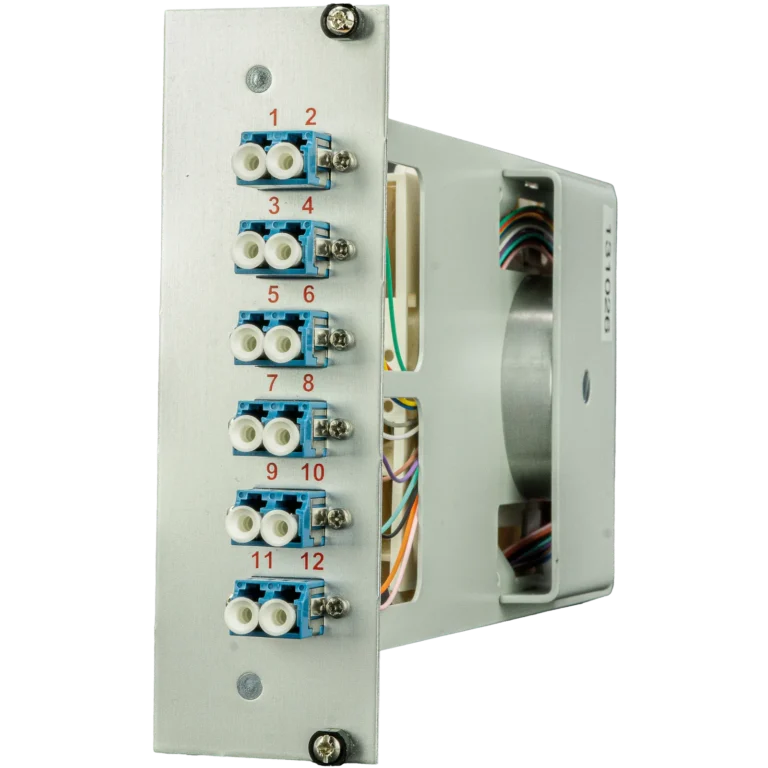
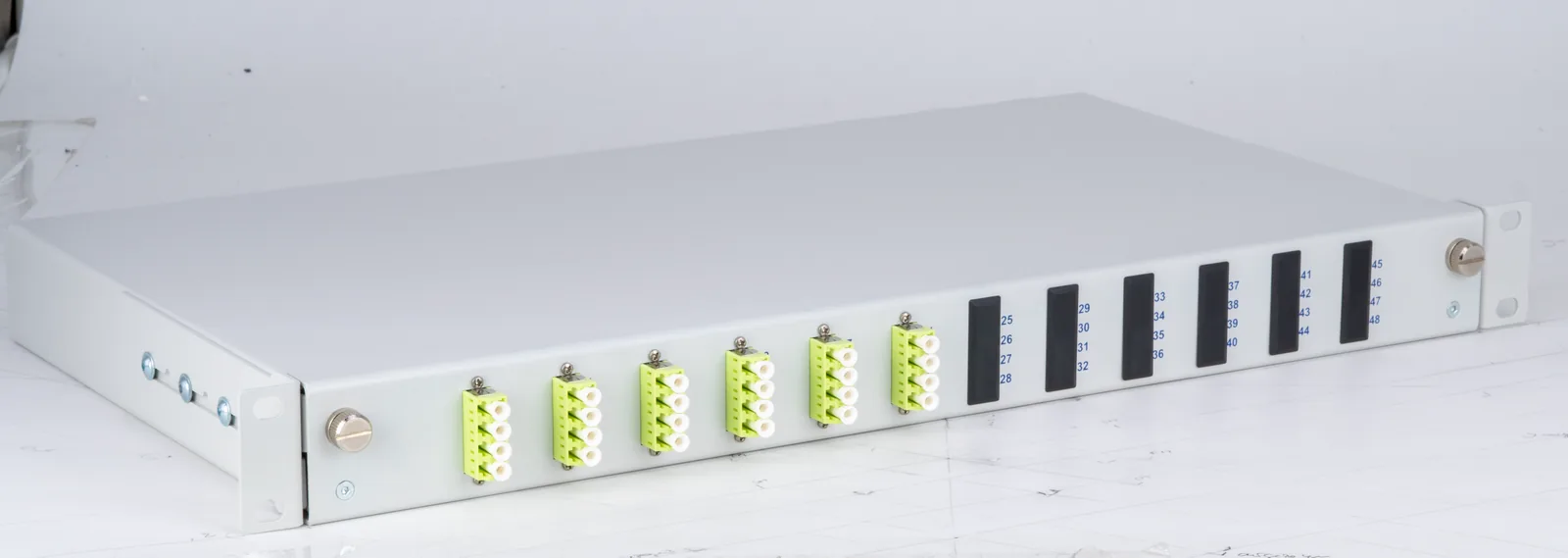
For procurement teams and planners, the central question is: which manufacturers offer the optimal combination of Swiss precision quality, German manufacturing expertise and modular system solutions? The answer lies in systematic evaluation based on technical criteria such as port density up to 96 fibres per 1U, warranty performance and standards compliance per IEC 61754.
Leading Splice Box Manufacturers in Europe: Market Overview 2024
The European market for professional splice boxes is dominated by established manufacturers distinguished by their own production facilities and specialised manufacturing competence. While global corporations often rely on mass production in Asia, European producers excel with short lead times and custom configuration options.
| Manufacturer Category | Production Location | Core Competencies | Typical Lead Times |
|---|---|---|---|
| Premium Manufacturers | Germany/Switzerland | Modular systems, 96 fibres/1U | 5–10 working days |
| Volume Manufacturers | Eastern Europe | Standard boxes, large series | 15–25 working days |
| Specialist Manufacturers | DACH Region | Custom solutions, E2000 systems | 10–15 working days |
European production guarantees not only short transport distances but also compliance with stringent quality standards. Particularly noteworthy are manufacturers with in-house manufacturing in Germany, which can respond flexibly to customer-specific requirements.
Technical Comparison Criteria for Fibre Optic Manufacturers Europe
When evaluating splice box manufacturers, technical specifications play a critical role. The most important criteria include not only raw fibre capacity but also aspects such as modularity and future-proofing.
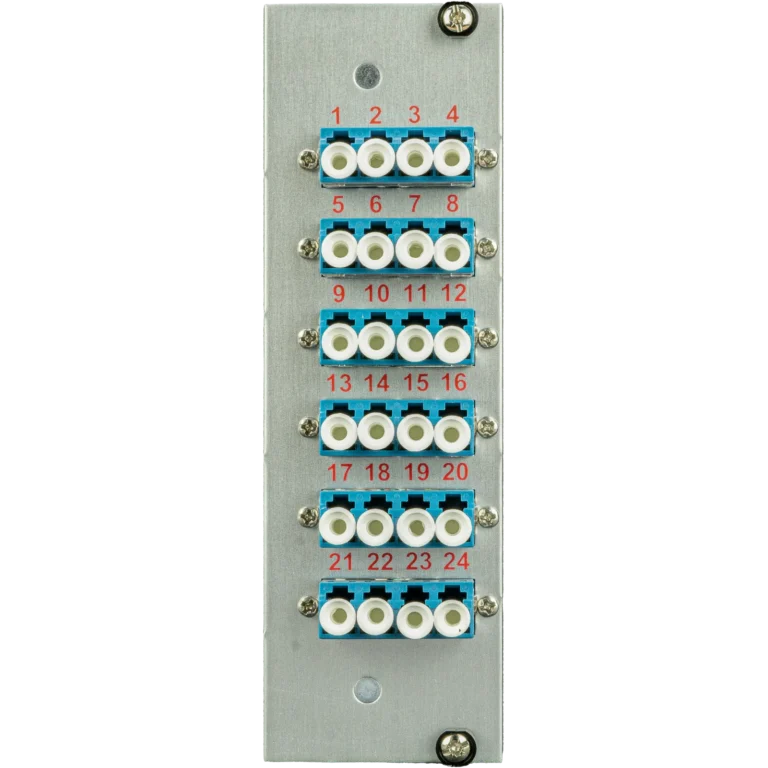
- Port Density: Modern systems achieve up to 96 fibres in just 1U – twice as much as standard solutions
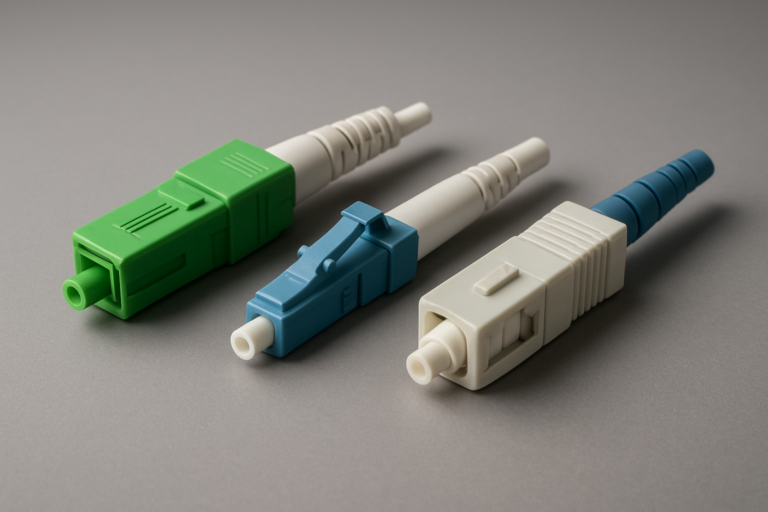
- Connector Compatibility: Support for LC, SC, E2000, ST, FC and MPO connectors
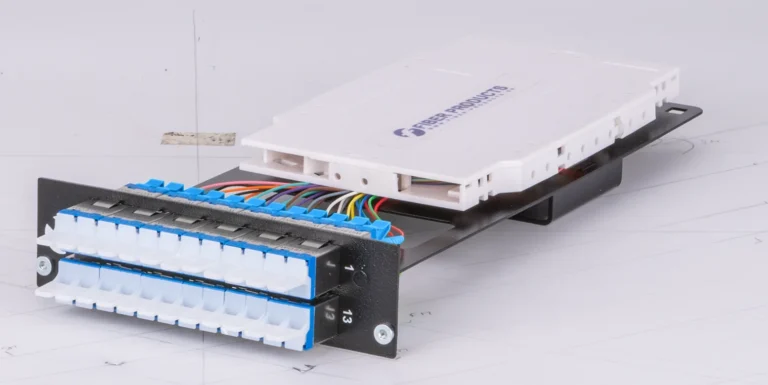
- Splice Cassette Capacity: Accommodation of 12 to 24 splice cassettes per rack unit
- Mounting Variants: 19-inch rack, wall mounting or DIN rail for industrial applications
- Protection Rating: From IP20 for indoor environments to IP65 for outdoor applications
Another decisive criterion is pre-termination. Leading manufacturers supply splice boxes fully populated and ready for splicing, which can reduce installation time.
Fibre Optic Producers DACH: Regional Characteristics and Advantages
The DACH region has developed into a centre for high-quality fibre optic technology. German, Austrian and Swiss manufacturers combine traditional manufacturing craftsmanship with state-of-the-art production technology.
The decisive advantage lies in local availability and direct technical support. While international corporations often have long response times, regional producers offer personal consultation and customer-specific solutions. This is particularly evident in projects for municipal utilities that must meet special requirements such as telecoms approval TS0338/96.
Fiber Products Quality Promise: As an official Diamond partner and manufacturer, we produce modular splice systems in Europe. Benefit from Swiss precision and in-house manufacturing.
Modular versus Conventional Splice Boxes: System Comparison
The decision between modular and conventional splice boxes shapes the entire network architecture. Modular systems such as SlimConnect and VarioConnect offer decisive advantages for forward-looking infrastructures.
| Criterion | Modular Systems | Conventional Splice Boxes |
|---|---|---|
| Scalability | Infinitely expandable | Fixed capacity |
| Space Requirements | 96 fibres/1U | 48 fibres/1U |
| Maintenance Friendliness | Individual modules replaceable | Complete replacement necessary |
| Investment Protection | Future-proof through modularity | Limited |
| Acquisition Costs | Higher | Lower |
The higher initial investment in modular systems typically pays for itself through reduced operating costs and simplified expansions within 24 to 36 months.
Diamond Quality as Benchmark: E2000 Connectors and Precision Manufacturing
Partnership with established Swiss precision manufacturers such as Diamond sets new standards in fibre optic technology. E2000 connectors are regarded as the gold standard for demanding applications in data centres and industrial environments.
- Attenuation Values: Typically < 0.25 dB, maximum 0.5 dB per IEC standard
- Return Loss: > 55 dB with APC polish
- Vibration Resistance: Tested per IEC 61300-2-1
- Mating Cycles: Minimum 1000 without performance degradation
- Temperature Range: -40°C to +85°C for industrial applications
These technical specifications make E2000-based systems the first choice for critical infrastructure where maximum reliability is required.
Splice Box Manufacturers for Specialised Application Areas
Not every manufacturer serves all market segments equally well. Specialisation in certain application areas enables optimised solutions for specific requirements.
Municipal Utilities and Local Network Operators
For FTTH rollout, municipal utilities need robust systems with high port density and flexible configuration. Key requirements here include outdoor-rated junction boxes with IP65 protection and the ability to expand later. Manufacturing in Germany ensures short lead times and rapid availability for expansion projects.
Data Centres and Colocation Providers
In data centre applications, maximum packing density and structured cable management are paramount. Modern systems must support MPO/MTP connectors for 40/100 Gigabit Ethernet while enabling clear documentation.
Industrial Plant Engineering and Automation
Industrial applications require special enclosure forms such as DIN rail boxes and increased resistance to electromagnetic interference. Vibration resistance per IEC 61300-2-1 is as critical as temperature resistance.
Quality Criteria and Certifications at Fibre Optic Manufacturers Europe
The quality of a splice box is evident not only in technical datasheets but especially in certifications and warranty performance. Reputable splice box manufacturers, fibre optic manufacturers Europe, fibre optic producers DACH can provide corresponding documentation.
- ISO 9001:2015 for quality management
- IEC 61754 series for optical connectors
- Telecoms Approval for network operator projects
- CE Marking and RoHS compliance
- Works Certificates for traceable quality
A special quality feature is the warranty offered. Fiber Products grants 5 years warranty on its systems – a clear sign of confidence in product quality.
Lead Times and Availability: Critical Factor for Project Realisation
The availability of splice boxes can become a critical bottleneck in fibre optic projects. Particularly with large projects involving several hundred splice boxes, the advantages of regional manufacturers with their own stock holdings become apparent.
Modern manufacturers offer various delivery models: from standard off-the-shelf delivery to just-in-time production through to customer-specific framework agreements with guaranteed call-off quantities. Typical lead times range from 5 working days for stock items to 15 working days for custom solutions.
Price-Performance Ratio: TCO Consideration Rather Than Acquisition Costs Alone
When evaluating splice box manufacturers, procurement should not focus solely on acquisition costs. Total Cost of Ownership (TCO) over the entire service life provides a more realistic picture.
- Installation Costs: Pre-terminated systems save installation time
- Maintenance Effort: Modular systems enable targeted component replacement
- Expansion Costs: Scalable solutions grow with requirements
- Downtime Costs: High-quality systems with 5 years warranty minimise risk
- Documentation Effort: Integrated labelling systems reduce administrative costs
Innovation and Future Trends in Fibre Optic Producers DACH
The fibre optic industry is evolving rapidly. Leading splice box manufacturers, fibre optic manufacturers Europe, fibre optic producers DACH continuously invest in research and development to meet rising bandwidth requirements.
Current innovation trends include intelligent splice boxes with integrated monitoring, automated documentation systems and preparation for future transmission standards such as 400 Gigabit Ethernet. Diamond splice boxes set new standards here with their modular architecture.
Sustainability and Environmental Aspects in Production
Modern manufacturers increasingly consider environmental aspects in their production. This includes not only RoHS-compliant material selection but also energy-efficient manufacturing processes and recyclable components.
Local European production reduces not only transport distances and CO2 emissions but also guarantees compliance with strict European environmental standards. Manufacturers with in-house production can flexibly respond to new environmental requirements and integrate sustainable materials.
FAQ: Frequently Asked Questions about Splice Box Manufacturers in Europe
What advantages do German splice box manufacturers offer compared to Asian suppliers?
German manufacturers excel with short lead times, custom configuration, local technical support and warranty periods up to 5 years. Production according to European standards also guarantees the highest quality requirements.
How many fibres should a modern splice box accommodate as a minimum?
For future-proof installations, systems with at least 48 fibres per rack unit are recommended. Premium solutions even achieve 96 fibres per 1U, offering double capacity in the same footprint.
Which connector types are most relevant for data centres?
In modern data centres, LC duplex connectors dominate for individual connections and MPO/MTP connectors for high-speed links. E2000 connectors are used in particularly critical applications.
Is investment in modular splice boxes worthwhile?
Yes, particularly with growing networks. The higher initial costs typically pay back through reduced expansion costs and simplified maintenance within 2–3 years.
What warranty performance is typical for splice boxes?
Premium providers such as Fiber Products grant 5 years warranty, demonstrating exceptional confidence in product quality.
How important is pre-termination for large projects?
Pre-terminated splice boxes reduce installation time and minimise sources of error. For projects with more than 50 boxes, this is a decisive economic factor.
Conclusion: Choosing the Right Splice Box Manufacturer
Selecting the optimal splice box manufacturer, fibre optic manufacturer Europe, fibre optic producer DACH requires holistic consideration of technical specifications, quality standards and long-term operating costs. European manufacturers with in-house production offer decisive advantages in flexibility, availability and support.
For demanding B2B projects, modular systems with high port density and comprehensive warranty performance are recommended. As a leading manufacturer and official Diamond partner, Fiber Products combines Swiss precision with German engineering expertise – and offers with 5 years warranty a quality promise unique in the industry.
Contact us for individual consultation on your fibre optic project and benefit from our decades of expertise in developing and manufacturing high-quality splice systems.
Request a Quote
Do you have questions about our fibre optic solutions? Our expert team is happy to advise you – free and without obligation.