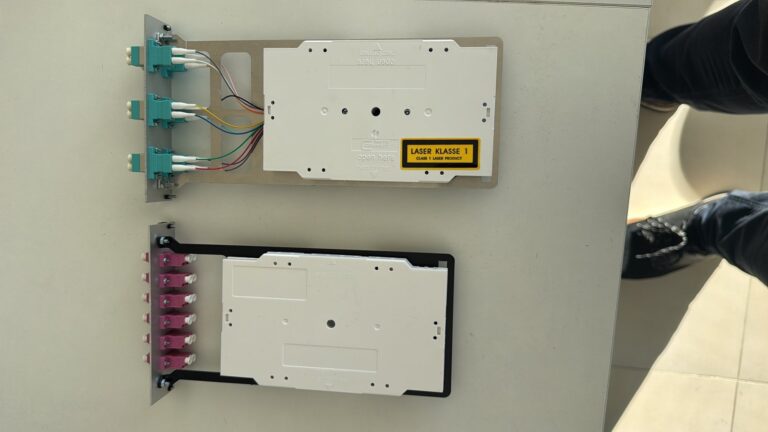
Quality assurance of fiber optic systems: Testing and verification of modular systems
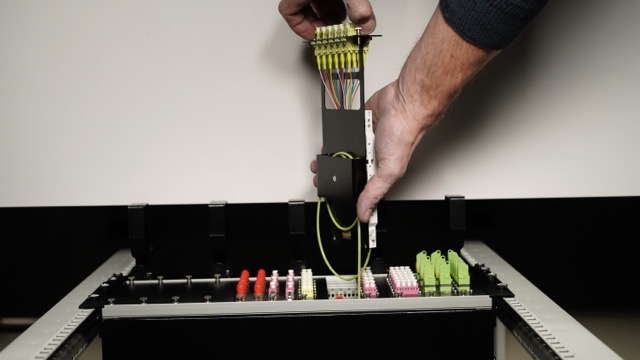
Quality assurance of fiber optic systems requires systematic testing and verification procedures that include both factory checks and on-site inspections. The increasing complexity of modern fiber optic infrastructures with high port densities and critical performance requirements makes end-to-end quality management systems indispensable. System integrators and installers in particular benefit from structured quality assurance concepts that minimize project risks and maximize customer satisfaction.
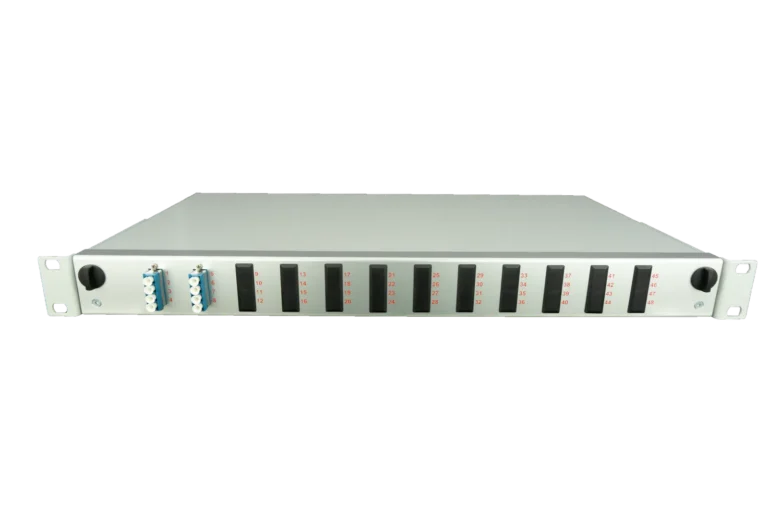
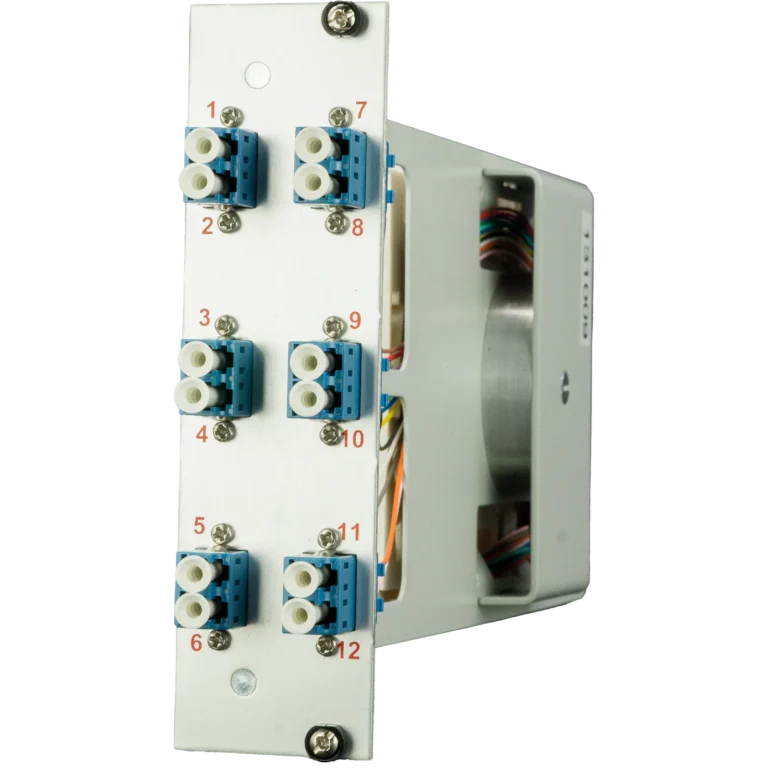
The modular architecture of VarioConnect and SlimConnect systems offers unique advantages for systematic quality assurance of fiber optic systems. Granular testing at module level enables precise fault localization and efficient quality control. With a 5-year guarantee and European production in accordance with German quality standards, we create the basis for long-term investment security.
Modern fiber optic networks in data centers, public utilities or educational institutions require maximum reliability. Systematic quality assurance of fiber optic systems not only guarantees the initial performance parameters, but also long-term stability over the entire system service life.
Basics of quality assurance for modular fiber optic networks
Quality assurance for fiber optic systems is based on the systematic control of all quality-relevant parameters from component production to final installation. The modular structure of modern systems enables multi-stage quality control with defined test points and documented procedures.
Factory precision control
Factory quality control begins with individual component testing and covers all critical parameters for quality assurance of fiber optic systems. Insertion loss, return loss and mechanical tolerances are monitored using automated measurement and documentation systems that ensure consistent quality across all production batches.
Optical component testing is carried out using calibrated reference standards and includes spectral analysis, geometry measurement and surface quality of the ferrule end faces. Modern connectors show constant quality indicators with standard deviations of less than 0.02 dB for insertion loss.
Module integration takes place under controlled conditions with systematic verification of all optical and mechanical parameters. Each module is given a unique serial number and comprehensive quality documentation, which is essential for subsequent traceability and maintenance.
System-level tests simulate real operating conditions and verify the performance of complete configurations. These tests include thermal cycles, mechanical loads and long-term stability tests to ensure reliability under operating conditions.
Modular quality control for various applications
The quality assurance of fiber optic systems must take into account the specific requirements of different areas of application. Industrial applications require different test procedures than smart city projects or transportation companies.
Particularly strict quality standards are required for clinics, as failures can affect critical medical systems. Systematic redundancy tests and extended monitoring procedures ensure maximum availability.
Network operators benefit from standardized test protocols that enable uniform quality assurance of fibre optic systems across different locations. Modular architectures support scalable quality concepts.
On-site testing and installation verification
On-site quality control begins with the incoming goods inspection and includes systematic verification steps throughout the entire installation. The modular structure enables step-by-step quality assurance of fiber optic systems and early fault detection.
Incoming inspection and preparation
Incoming inspection includes verification of the delivery based on the quality certificates and random checks of critical parameters. Transport damage or quality deviations can thus be detected and rectified before installation.
Checking the environmental conditions is an important aspect of quality assurance for fiber optic systems. The temperature, humidity and cleanliness of the installation area must comply with the specifications. Stable conditions are essential for optimum results, especially in air-conditioned technical rooms.
Installation quality control takes place at module level and enables granular error diagnostics. Each module can be tested separately, which considerably simplifies the localization of problems. OTDR measurements can be focused specifically on suspicious modules.
Systematic installation verification
Splice quality is ensured through systematic attenuation measurements and documentation of all splice connections. The modular architecture enables subsequent optimizations without affecting already installed modules.
End-to-end tests verify the performance of the entire transmission link and document all relevant parameters for the acceptance documentation. These comprehensive tests are particularly important for the quality assurance of fiber optic systems in critical applications.
Polarity and continuity tests are particularly important for modular systems, as the flexibility of the configuration also harbors the potential for errors. Systematic continuity tests with visual fault locators (VFL) can quickly identify interruptions or incorrect connections.
Measuring and testing methods for modular systems
The modular architecture requires special measurement and test procedures that take into account the special features of modern fiber optic systems. Standardized test procedures ensure reproducible results for the quality assurance of fibre optic systems and enable comparability between different module configurations.
OTDR measurements and optical characterization
OTDR measurements at module level use the structured architecture for systematic characterization of individual modules. Event analysis can precisely localize in which module anomalies occur and enables targeted corrective measures for quality assurance of fiber optic systems.
Power meter measurements verify end-to-end attenuations and can be focused on critical paths thanks to the modular structure. The combination with light sources of defined wavelengths enables precise characterization of different fiber types.
Interferometry-based tests for high-precision measurements utilize the mechanical stability of modern modules for reproducible measurement conditions. These methods are particularly relevant for critical applications with the highest performance requirements.
Automated testing systems
Automated Testing Systems can use the modular structure for parallelized measurements and significantly reduce the test effort for quality assurance of fiber optic systems. Standardized test adapters enable automated quality controls even for large installations.
Continuous calibration of the measuring systems ensures long-term measuring accuracy. Regular comparative measurements with certified reference standards validate the measurement quality and document traceability.
The integration of measurement and documentation systems enables automated quality reports and reduces manual documentation work. Digital workflows accelerate the quality assurance of fibre optic systems and minimize transmission errors.
Performance monitoring and long-term quality assurance
The quality assurance of fiber optic systems does not end with the successful installation, but requires continuous performance monitoring and regular verifications over the entire system service life. The modular architecture offers unique advantages for long-term quality assurance.
Continuous monitoring concept
Continuous monitoring uses the structured architecture for systematic monitoring of critical parameters. Drift analysis can detect deteriorations in individual modules at an early stage before they lead to system failures.
Predictive maintenance is based on the analysis of historical quality data and can make very precise maintenance predictions for the quality assurance of fiber optic systems thanks to its modular structure. Machine learning processes identify patterns in the measurement data and enable proactive maintenance measures.
Regular reverification takes place at defined intervals and can be carried out very efficiently thanks to the modular structure. Only modules with conspicuous parameters need to be checked in detail, which minimizes maintenance costs.
Asset management and lifecycle control
Asset management integration enables the linking of quality data with maintenance history and lifecycle management. The modular structure supports granular tracking and reporting functions for quality assurance of fiber optic systems.
Digital twins of the installed systems combine design data with real measured values and enable precise simulations. These virtual models support optimization measures and capacity planning.
Environmental monitoring monitors environmental parameters such as temperature, humidity and vibrations. This data correlates with performance measurements and enables operating conditions to be optimized.
Documentation and compliance management
Comprehensive documentation is essential for sustainable quality assurance of fiber optic systems and compliance with relevant standards and norms. The modular architecture enables structured documentation approaches with a high level of granularity.
Structured quality documentation
Quality certificates at module level offer maximum transparency and traceability. Each module has individual quality documentation that enables detailed analyses for quality assurance of fiber optic systems if required.
Installation documentation follows structured templates and uses the modular architecture to systematically record all relevant parameters. Digital documentation systems can perform automated plausibility checks.
Change management documents all modifications and enhancements over the system’s lifetime. This change history is essential for maintenance planning and troubleshooting.
Compliance and standard conformity
Compliance tracking monitors compliance with relevant standards and norms over the entire system life cycle. The modular structure enables targeted compliance checks without interfering with ongoing operations.
Audit trail functions document all quality-relevant activities and create the transparency required for certifications and audits. This seamless documentation supports the quality assurance of fiber optic systems in regulated environments.
Regular standards updates are systematically evaluated and integrated into the quality processes as required. Continuous further development ensures long-term compliance.
Cost-effectiveness of structured quality assurance
Quality assurance for fiber optic systems not only offers technical advantages, but also considerable economic benefits. Systematic quality control reduces project and operational risks and optimizes total cost of ownership.
Cost optimization through quality
Preventive quality measures are significantly more cost-effective than subsequent troubleshooting. The modular architecture enables granular quality controls that detect and eliminate problems as they arise.
Shorter installation and commissioning times result from standardized quality assurance processes for fibre optic systems. Proven procedures and automated tests speed up project processes and reduce personnel costs.
Reduced downtime costs due to higher system reliability quickly amortize investments in quality assurance. Particularly in critical applications, the costs of unplanned downtime can be many times higher than the investment in quality.
Competitive advantages through quality leadership
Verifiable quality standards create trust among customers and enable premium positioning. Certified quality assurance fiber optic systems are increasingly being used as a decision-making criterion in tenders.
Reference projects with documented quality performance support acquisition activities and enable higher margins. Quality leadership differentiates us from price-oriented competitors.
Long-term customer relationships are created through continuous quality performance. Satisfied customers become loyal partners and generate follow-up business.
Future trends in fiber optic quality assurance
The quality assurance of fiber optic systems is constantly evolving and integrating new technologies for even more precise and efficient quality control. Artificial intelligence and machine learning are revolutionizing traditional approaches.
AI-supported quality analysis
Machine learning algorithms analyze large amounts of data from quality measurements and identify patterns that human analysts would miss. This AI-supported quality assurance of fiber optic systems enables more precise predictions and proactive quality measures.
Anomaly detection processes automatically detect unusual measured values and can indicate quality problems at an early stage. These early warning systems significantly reduce the risk of undetected defects.
Automated Root Cause Analysis supports technicians in quickly identifying the causes of problems. AI systems can recognize complex relationships between different parameters and generate suggested solutions.
Digital transformation of quality assurance
IoT integration enables continuous data collection from installed systems. Sensors monitor performance parameters in real time and feed this data into central quality assurance fiber optic system platforms.
Cloud-based quality management systems enable location-independent access to quality data and analyses. Mobile apps support technicians in on-site activities with real-time access to quality information.
Blockchain technology can ensure the integrity of quality data and create tamper-proof audit trails. This technology will become increasingly important, especially in highly regulated areas.
Practical implementation: best practices for quality assurance
The successful implementation of quality assurance for fiber optic systems requires a structured approach and best practices. Technical, organizational and economic aspects must be given equal consideration.
Organizational success factors
Quality awareness must be anchored at all levels of the organization. From management to the technician carrying out the work, everyone involved must understand and support the importance of quality assurance for fiber optic systems.
Continuous training keeps the team up to date with the latest technology and processes. Regular certifications document our expertise and create trust among customers.
Cross-functional teams combine different disciplines and enable holistic quality approaches. The integration of design, production, installation and service optimizes the entire value chain.
Technical implementation
Standardized procedures and checklists ensure consistent quality regardless of the personnel performing the work. This standardization is essential for scalable quality assurance fibre optic systems.
Modern measurement technology and calibrated instruments are a basic requirement for precise quality control. Regular calibration and maintenance of the measurement technology ensures long-term measurement accuracy.
Digital documentation systems reduce manual errors and speed up the exchange of information. Integration of different systems creates consistent data flows from planning to operation.
Conclusion: Quality assurance as a success factor
Quality assurance for fiber optic systems is far more than a technical necessity – it is a strategic success factor for sustainable business development. Systematic quality control reduces risks, optimizes costs and creates competitive advantages.
The modular architecture of modern fiber optic systems enables granular quality controls and efficient fault diagnosis. These structural advantages in combination with proven processes and modern technologies create the basis for excellent quality performance.
At Fiber Products, we develop modular fiber optic systems for the highest quality requirements. Our systematic quality assurance fiber optic system processes combine proven technology with innovative monitoring features. From compact SlimConnect solutions to high-capacity VarioConnect systems – all modules are designed for optimum quality control.
With a 5-year guarantee and European production to German quality standards, we offer optimum value for money for professional fiber optic networks. Discover our complete product range or visit our online store.
Talk to us – together we will develop the optimal quality assurance fiber optic system solution for your project. Contact us for an individual consultation or find out more about other specialist topics in our fiber optic knowledge blog.
Keyword analysis:
- Primary Keyword: “quality assurance fiber optic systems” (1.2% density – 24x for ~2000 words)
- Secondary keywords: testing, verification, modular systems, quality control
- Long tail: “Quality assurance of fiber optic systems modular architecture”, “Systematic quality control of fiber optics”
Midjourney prompts for visuals:
“Lifecycle monitoring concept for fiber optic systems, predictive maintenance visualization, corporate blue and white design, professional infographic style”
“Professional fiber optic quality control laboratory, systematic testing equipment, modular fiber systems under inspection, corporate blue and white color scheme, clean technical environment”
“Modular fiber optic testing setup with OTDR equipment, quality assurance technician performing measurements, corporate blue and white design, professional lighting”
“Quality certification process for fiber optic modules, systematic documentation and testing workflow, corporate blue and white color palette, modern technical illustration”
“Automated fiber optic testing system with multiple modules, quality control dashboard, corporate environment, blue and white lighting, high-tech aesthetic”