Civil Works Capacity for Fibre Optics in Baden-Württemberg 2026
Fibre Optic Civil Works in Baden-Württemberg: Capacity and Optical Fibre Trenching 2026 – Current Bottlenecks and Solutions
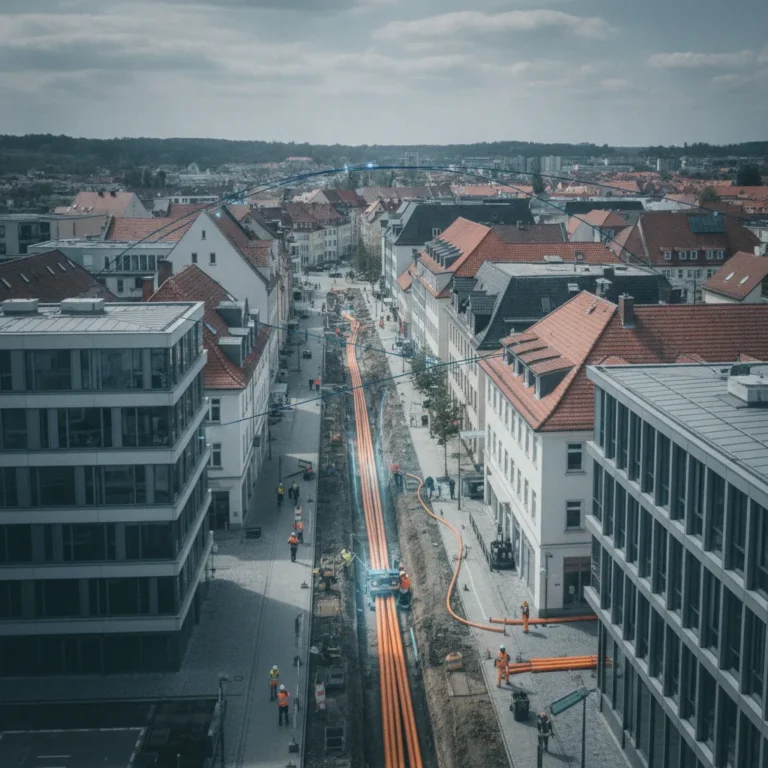
Civil works for fibre optics in Baden-Württemberg faces massive capacity constraints in 2026, as optical fibre trenching projects run at full capacity – current projects show utilisation rates exceeding 85 percent among civil works contractors, causing deployment projects such as in Weinheim to slip into 2026. Available capacity for fibre optic trenching in Baden-Württemberg is currently so limited that network operators must postpone their schedules by 12 to 18 months.
Baden-Württemberg lags behind with a fibre optic availability of only 27.16 percent, well below the national average of 42.9 percent. Despite these challenges, the state government plans to accelerate deployment through a new fibre pact and investments of €3.5 billion.
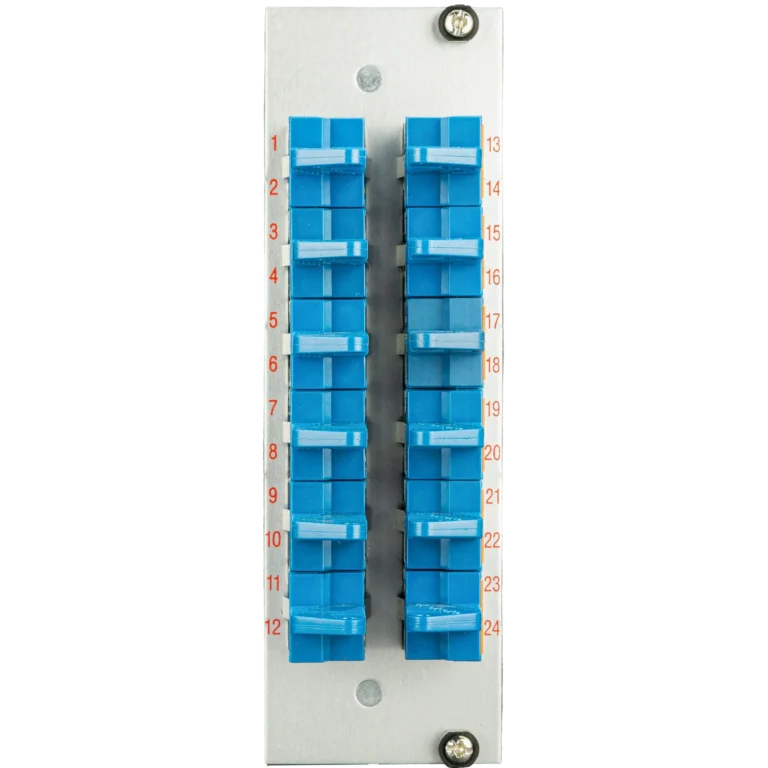
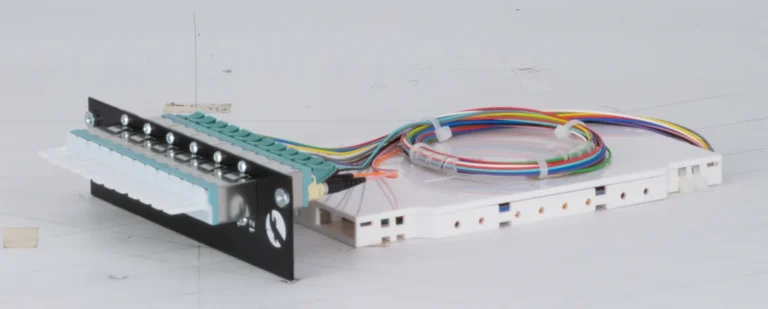
The strained capacity situation demands efficient technical solutions such as modular splice systems, which shorten installation times whilst enabling higher port densities.
Current Civil Works Bottlenecks in Baden-Württemberg: Delays on Major Projects
Deutsche GigaNetz had to postpone its Weinheim expansion plans to 2026 due to lacking civil works capacity. Following completion of the Sulzbach West project with 2.3 kilometres of route and 325 building handover points, regional contractors are fully booked.
In Stuttgart, Telekom plans its proprietary rollout in 17 additional areas only from 2026 onwards, despite already connecting 133,000 households. Delays affect not only major cities – projects in Rüppurr and Neureut in Karlsruhe are not expected to begin before 2026.
- Shortage of skilled labour in specialised civil works firms
- Lengthy approval procedures despite TKG amendment
- Overload from parallel infrastructure projects
- Limited availability of specialist machinery for micro-trenching
- Co-ordination issues between different utility providers
Fibre Optic Rollout in Baden-Württemberg: Figures and Forecasts for 2026
The current status of fibre optic deployment in Baden-Württemberg shows a mixed picture. While urban centres such as Stuttgart already reach 40 percent coverage, rural regions often fall below 20 percent.
| Region | Current Availability | Planned by 2026 | Investment Volume |
|---|---|---|---|
| Stuttgart | 40% | 65% | €450 million |
| Karlsruhe | 35% | 80% | €380 million |
| Schwarzwald-Baar District | 22% | 55% | €200 million |
| Baden-Württemberg average | 27.16% | 60% | €3.5 billion |
The forecast of 60 percent availability upon completion of ongoing projects appears ambitious given capacity constraints. Fibre optic civil works in Baden-Württemberg requires structural improvements in resource distribution.
Technical Challenges in Optical Fibre Trenching in Baden-Württemberg
Optical fibre trenching in Baden-Württemberg faces specific technical challenges beyond mere capacity issues. Geological conditions in the Black Forest and on the Swabian Alb require adapted installation techniques.
Modern micro-duct installation and micro-trenching methods reduce construction times. However, these technologies require specialist equipment not all civil works firms possess.
- Rocky subsoil requires specialist drills with diamond heads
- Groundwater protection limits civil works on 23 percent of the state’s area
- Shallow installation per DIN 18220 saves time and costs
- Pre-configured splice modules reduce on-site assembly time
Municipal Utilities and Local Network Operators Drive Rollout
Municipal utilities play a key role in fibre optic deployment across Baden-Württemberg. Local network operators leverage their existing infrastructure for more efficient network expansion.
In Karlsruhe, KA Glasfaser plans 80 percent coverage by 2029 using an open-access model. This strategy allows multiple providers to use the network and improves economic viability.
Consortia record strong growth with 1,585 new customers in the last quarter. Bundled demand facilitates financing and strengthens positions in civil works tenders.
Fiber Products Quality Commitment: As an official Diamond partner and manufacturer, we produce modular splice systems in Europe. Benefit from Swiss precision and in-house manufacturing.
Funding and Regulatory Framework 2026
The new Baden-Württemberg Fibre Pact provides 40 percent co-financing for remote areas. This funding makes previously uneconomic regions attractive to network operators.
The TKG amendment 2026 brings decisive improvements: notification requirements replace lengthy approval procedures. The planned copper shutdown from 80 percent FTTH availability onwards with a three-year lead time creates additional deployment pressure.
| Funding Programme | Funding Level | Target Areas | Available Funds 2026 |
|---|---|---|---|
| Fibre Pact Baden-Württemberg | 40% | Remote areas | €850 million |
| Federal Gigabit Programme | 50–70% | White spots | €1.2 billion |
| EU Funding ERDF | 30% | Commercial zones | €320 million |
Innovative Installation Techniques to Increase Capacity
New installation methods help utilise limited civil works capacity more efficiently in Baden-Württemberg fibre optic deployment. Micro-trenching reduces excavation depth to 10 to 30 centimetres and significantly accelerates progress.
Horizontal directional drilling enables trenchless installation under roads and protects existing infrastructure. By February 2026, 45 kilometres had already been installed using this method in Baden-Württemberg.
- Micro-trenching: 300 metres daily output versus 50 metres conventionally
- Horizontal directional drilling: Road crossing without closures in 2 hours
- Ploughing method: Ideal for field paths at 2 kilometres per day
- Fluid jetting: River crossings without environmental impact
- Mini-cable installation: less material required
Splice Technology and Modular Systems for Efficient Installation
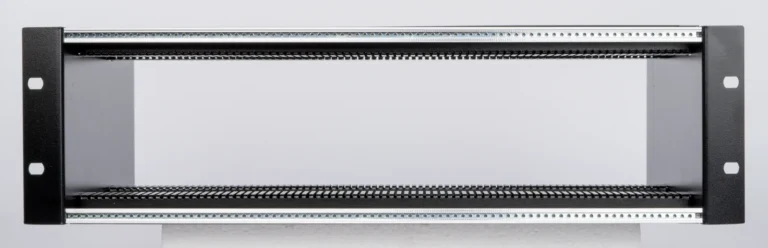
The correct choice of splice technology significantly influences installation speed. Modern splice boxes with 1HE form factor enable up to 96 fibres in minimal space – double standard systems.
Pre-configured modules shorten on-site assembly time. This is especially relevant as qualified splice technicians are scarce in Baden-Württemberg.
Modular design allows subsequent expansion without service interruption. Systems to IEC 61754-15 guarantee compatibility between different manufacturers.
Quality Requirements for Optical Fibre Components in Civil Works
Optical fibre components used in civil works must withstand exceptional loads. The protection class IP65 is the minimum standard for outdoor installations in Baden-Württemberg.
Temperature fluctuations from minus 40 to plus 85 degrees Celsius demand robust materials. Diamond E2000 connectors offer optimal vibration resistance through their metal construction.
- Attenuation values below 0.25 dB even after 500 mating cycles
- Return loss exceeding 50 dB for interference-free transmission
- Tensile strength of at least 100 newtons per DIN EN 61300-2-6
- Dust and water tightness to IP68 for duct installations
Planning and Documentation for Sustainable Network Infrastructure
Structured documentation is essential for long-term network operation. Optical fibre trenching in Baden-Württemberg requires precise route records.
Geographic information systems (GIS) capture cable routes with centimetre accuracy. This data is a prerequisite for future extensions and fault rectification.
Marking per DIN EN 50174 ensures unambiguous fibre identification. Colour coding to international standards prevents confusion during maintenance.
Timeline and Milestones for Baden-Württemberg through 2030
The fibre optic rollout plan for Baden-Württemberg sets clear milestones. By end of 2026, 60 percent of households should be reached, though current capacity bottlenecks threaten these targets.
| Year | Planned Coverage | Priority Regions | Critical Factors |
|---|---|---|---|
| 2026 | 60% | Stuttgart, Karlsruhe | Civil works capacity |
| 2027 | 70% | Mid-sized cities | Skilled labour |
| 2028 | 80% | Rural areas | Funding availability |
| 2030 | 95% | Comprehensive coverage | Copper shutdown |
Solutions to Civil Works Capacity Bottlenecks
Addressing capacity constraints requires co-ordinated action. Joint use of conduits reduces civil works effort.
Training programmes for civil works firms create additional skilled workers. Baden-Württemberg funds continuing education with €5 million annually.
- Co-ordination of civil works projects across providers
- Standardisation of approval procedures at state level
- Digital construction site co-ordination for efficiency gains
- Deployment of modular systems to save installation time
- Increased use of alternative installation methods
FAQ: Common Questions on Fibre Optic Civil Works in Baden-Württemberg
How long do civil works for fibre optics take per kilometre?
With conventional installation, civil works firms achieve 50 to 100 metres daily. Modern methods such as micro-trenching allow up to 300 metres per day. Actual performance depends on soil conditions and local circumstances.
What port density is optimal for municipal networks in Baden-Württemberg?
For municipal utilities, systems with 48 to 96 fibres on 1HE are recommended. This density provides reserve capacity for future expansion in minimal rack space.
When does copper shutdown begin in Baden-Württemberg?
Shutdown commences from 80 percent FTTH availability onwards with three years’ notice. In metropolitan areas such as Stuttgart this is expected from 2030, in rural regions correspondingly later.
Which connector types suit industrial environments?
E-2000 connectors have a plastic body with a metal spring-loaded shutter (IEC 61754-15); DIAMOND offers an optionally O-ring-sealed IP65 version (IEC 60529) for industrial automation and outdoor use. EMI immunity comes from the optical fibre itself, not from the housing. Industrial requirements are classified via MICE (ISO/IEC 24702, EN 50173-3) and environmental category I of IEC 61753-1.
How much funding is available for fibre deployment in remote areas?
The Baden-Württemberg Fibre Pact provides 40 percent co-financing. Additionally, federal funds of 50 to 70 percent are available for white spots. Combining multiple programmes is possible.
Which standards apply to splice boxes in outdoor areas?
The relevant product standards are the EN 50411-2-x series for fibre splice closures, which classifies them by environmental category — S for subterranean and A for aerial per IEC 61753-1 — with testing to the IEC 61300 series. EN 50173 is a generic cabling standard and does not cover closures. No closure standard prescribes a minimum IP rating: IP degrees of protection are defined in IEC 60529 and are a manufacturer specification, so the protection required has to be stated per project.
Outlook: Civil Works and Fibre Rollout Beyond 2026
Fibre optic civil works in Baden-Württemberg will transform fundamentally by 2030. Automated installation methods and pre-configured system solutions will become standard.
The forecast doubling of deployment speed requires innovative approaches. Modular splice systems with maximum port density and 5 years manufacturer warranty significantly reduce lifecycle costs.
For network operators and installers this means: investments in future-proof technology pay off through shorter installation times and reduced maintenance. Choosing high-quality components from specialist manufacturers ensures long-term operational reliability of critical infrastructure.
Request a Quote
Do you have questions about our fibre optic solutions? Our expert team is happy to advise you – free of charge and without obligation.