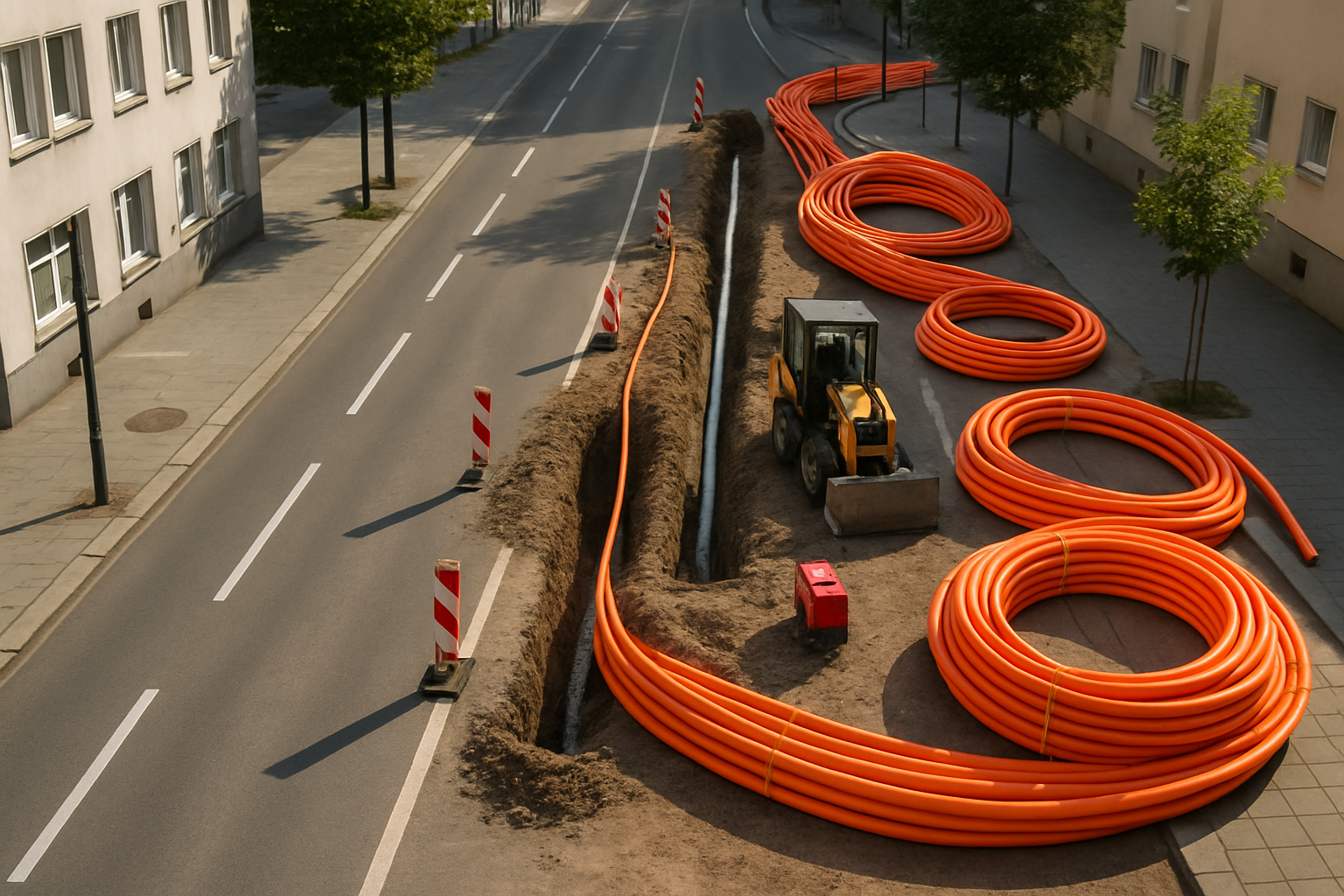
Fibre Rollout Switzerland 2026: FTTH CH and Swisscom Alternatives
The fibre rollout Switzerland, FTTH Switzerland, Swisscom alternative fibre landscape is reshaping Swiss telecommunications, with Swisscom targeting 75–80 percent household coverage via fibre optics by 2030. While Swisscom invests CHF 1.7 billion annually to modernise networks, municipal utilities and alternative operators are discovering fresh opportunities through modular splice systems and standardised fibre components. The Swiss strategy follows a phased approach, starting with urban centres and complete copper network decommissioning after 2030—delivering electricity savings equivalent to a city of 20,000 residents.
Compared to France’s 93 percent FTTH coverage, Switzerland currently lags at 50 percent of households served. This gap creates significant market potential for alternative providers and municipal utilities entering competition with efficient splice systems and modular fibre solutions.
Swisscom Expansion Plan and Regional Deployment Windows for FTTH Alternatives
Implementation of fibre rollout Switzerland, FTTH Switzerland, Swisscom alternative fibre follows a staggered timetable. In communities like Diegten, Swisscom begins free deployment in autumn 2025, with work completing by spring 2026. Reiden launches in 2026 with completion in early 2027.
- End 2024: 50 percent of Swiss households FTTH-ready
- End 2025: Coverage to increase to 57 percent
- By 2030: 75–80 percent fibre coverage targeted
- After 2035: Near-complete coverage, supplemented by mobile and satellite technology
- Available bandwidth: Up to 10 Gbit/s on modernised networks
These deployment windows create strategic opportunities for municipal utilities to launch their own FTTH projects. With pre-terminated splice modules and standardised IEC 61754-compliant connectors, regional providers can build networks in parallel or complement Swisscom’s expansion.
Technical Standards for the Swiss FTTH Market
Successful fibre rollout Switzerland, FTTH Switzerland, Swisscom alternative fibre rests on proven technical standards. Swiss operators primarily specify single-mode optical fibre to ITU-T G.652.D with low attenuation of < 0.25 dB/km at 1550 nm.
| Connector Type | Return Loss | Application | Swiss Market Share |
|---|---|---|---|
| LC/APC | ≥ 60 dB | FTTH Distribution | 45% |
| SC/APC | ≥ 60 dB | Customer Premises | 30% |
| E2000/APC | ≥ 65 dB | Backbone | 25% |
For municipal utilities building their own fibre networks as Swisscom alternatives, modular splice systems with 96 fibres per 1U prove highly cost-effective. These high-density systems reduce equipment room footprint versus conventional solutions.
Collaboration Models Between Municipal Utilities and Electricity Suppliers
The Swiss Fibre Network Association demonstrates that 72 percent of all Swiss municipalities actively participate in fibre deployment. This decentralised structure fundamentally differentiates the Swiss market from centralised models and enables innovative partnership approaches.
Fiber Products Quality Guarantee: As official Diamond Partner and manufacturer, we fabricate modular splice systems in Europe. Benefit from Swiss precision engineering and 5-year warranty on all systems.
Municipal utilities increasingly leverage existing infrastructure for fibre deployment. Synergies between power distribution and FTTH networks enable cost-efficient installation in existing cable ducts. Pre-terminated splice modules reduce installation time.
- Shared use of civil works capacity
- Coordinated installation during road maintenance
- Standardised handover points with E2000 connectors
- Modular expansion aligned with demand growth
Splice Systems for Efficient FTTH Deployment
Modern splice systems form the backbone of every successful FTTH installation in fibre rollout Switzerland, FTTH Switzerland, Swisscom alternative fibre projects. The choice between fusion splicing and mechanical splicing influences both cost and connection quality.
| Splicing Method | Attenuation | Time per Splice | Cost per Splice |
|---|---|---|---|
| Fusion Splice | < 0.05 dB | 3–5 minutes | CHF 8–12 |
| Mechanical Splice | < 0.30 dB | 1–2 minutes | CHF 15–20 |
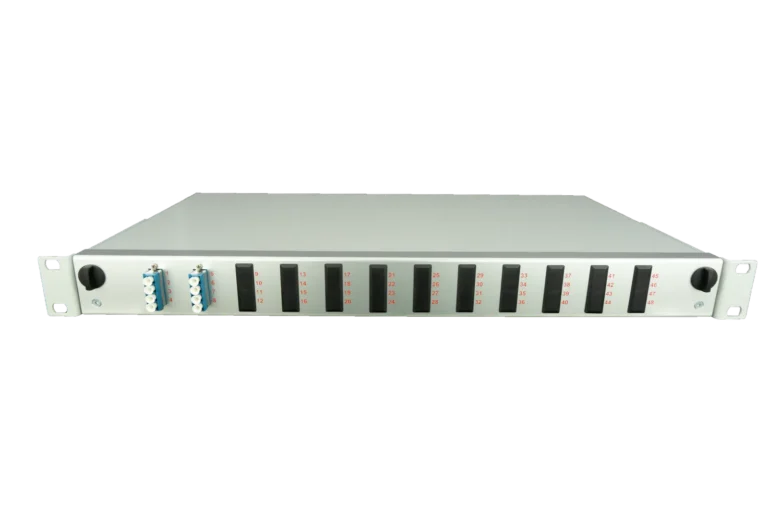
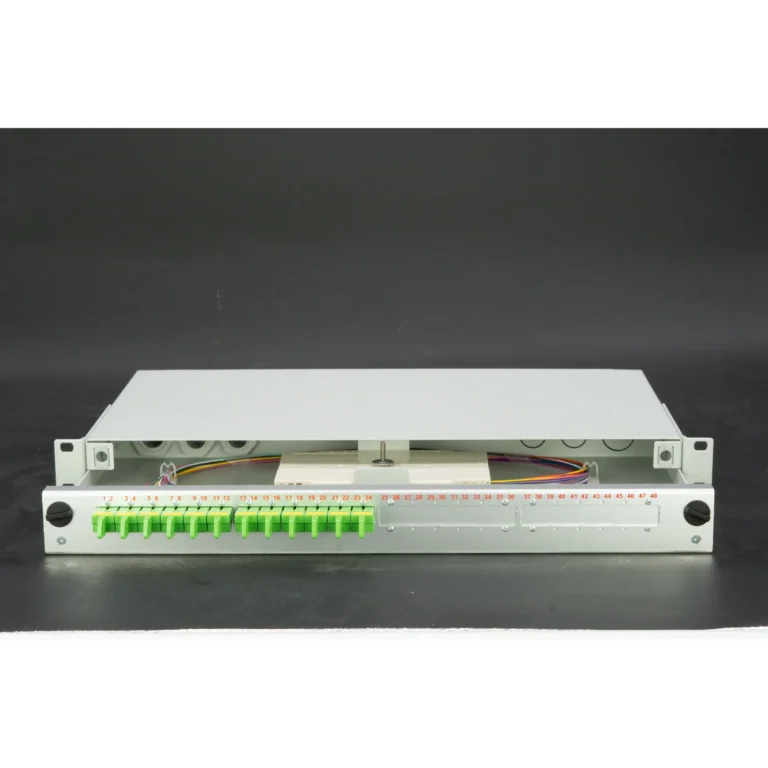
The SlimConnect 1U Splice Modules accommodate up to 96 fusion splices and comply with standard IEC 61756-1. The modular design allows municipal utilities to scale networks incrementally whilst remaining flexible to demand shifts.
Comparison of German and Swiss Deployment Strategies
The German fibre market faces similar challenges to fibre rollout Switzerland, FTTH Switzerland, Swisscom alternative fibre, with 52.8 percent availability (June 2025). The EU Gigabit Infrastructure Regulation accelerates approval timelines to 4 months maximum from November 2025.
Germany increasingly emphasises collaboration models—the Munich example demonstrates how Stadtwerke München, M-net, and Telekom jointly deploy 550,000 connections, with each property receiving two fibre feeds for competitive choice.
- Switzerland: Focus on free deployment via Swisscom
- Germany: State support and partnership frameworks
- Austria: 26 percent open-access share in FTTH
- Common: Modular splice systems as technical standard
Standards and Certifications for Swiss FTTH Projects
Professional fibre rollout Switzerland, FTTH Switzerland, Swisscom alternative fibre demands stringent quality standards. Standard EN 50173-1 defines structured cabling, whilst IEC 61300 prescribes component test procedures.
Swiss operators increasingly specify components rated for extended temperature ranges of –40°C to +85°C in outdoor installations. Diamond-certified E2000 connectors meet these requirements with return loss of ≥ 65 dB.
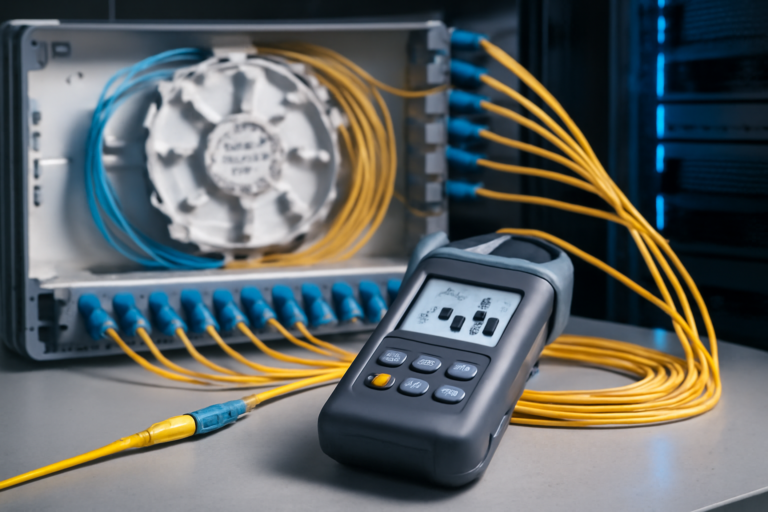
Quality assurance mandates OTDR testing (Optical Time Domain Reflectometry) with full attenuation documentation. Modern fusion splicers automatically log every splice and generate digital network records per ISO/IEC 14763-3.
Economic Case for Modular Fibre Solutions in Municipal Utilities
Investment analysis for fibre rollout Switzerland, FTTH Switzerland, Swisscom alternative fibre reveals clear advantages of modular systems. A municipal utility serving 10,000 households achieves substantial infrastructure savings through high-density splice modules.
| Parameter | Conventional | Modular (96 Fibres/1U) | Savings |
|---|---|---|---|
| Floor Space | 208 U | 105 U | 50% |
| Installation Time | 416 hours | 210 hours | 49% |
| Annual Power Costs | CHF 12,000 | CHF 6,500 | 46% |
The modular VarioConnect systems further enable demand-driven expansion. Municipal utilities can start with a base configuration and add modules as demand grows, without interrupting existing connections.
Future-Proof Planning: From GPON to XGS-PON
Fibre rollout Switzerland, FTTH Switzerland, Swisscom alternative fibre must anticipate tomorrow’s needs today. While current GPON networks deliver 2.5 Gbit/s downstream, XGS-PON already enables symmetrical 10 Gbit/s.
Migration requires no new fibre—only active component replacement. Modular splice systems with adequate reserves and structured fibre management greatly simplify later upgrades. Single-mode fibre per ITU-T G.657.A2 with reduced bend radius increases future-readiness.
- Plan wavelength reserves for future services
- Provide splice reserves of at least 20 percent
- Document all attenuation values for future upgrades
- Ensure modular scalability without operational interruption
FAQ: Technical Questions on Swiss FTTH Deployment
What alternatives to Swisscom exist for FTTH deployment?
Municipal utilities and regional energy suppliers can build independent FTTH networks. With modular splice systems and Diamond-certified components, they match quality levels of established operators. Typical investment payback is 7–10 years.
Which splicing method suits Swiss conditions?
Fusion splicing is the standard method for permanent joints. ITU-T G.671 permits up to 0.30 dB per actively aligned fusion splice, with typical values around 0.08 dB, and limits its reflectance to -70 dB against -40 dB for mechanical splices. For alpine routes, select closures by the IP class to IEC 60529 that matches the actual mounting situation and by a documented operating temperature range.
How many fibres should a future-proof FTTH network provide?
Multi-unit buildings require minimum 2 fibres per dwelling unit plus 30 percent reserve. Commercial areas typically need 4–8 fibres per connection for redundant feeds.
Which standards apply to Swiss FTTH installations?
Key standards include EN 50173-1 for generic premises cabling, EN 50700 for premises distribution access network cabling, IEC 61300 for component test procedures, ISO/IEC 14763-3 for testing installed optical fibre cabling and EN 50174-1 for documentation and administration. Operator-specific technical specifications may apply in addition.
How do PC and APC connectors differ in FTTH use?
APC connectors use an 8 degree angled endface to IEC 61755-3-2; DIAMOND specifies at least 70 dB return loss for E-2000 APC, so they are chosen wherever reflections are critical, such as analogue RF video overlay. The E-2000 PC version reaches at least 50 dB, which is sufficient for purely digital transmission.
What capacity do municipal utilities need for 10,000 households?
At typical 1.5 fibres per household plus commercial and reserves, roughly 20,000 fibres require termination. Using 96-fibre modules per 1U requires only 210 rack units instead of 420 with conventional systems.
Strategic Recommendations for FTTH Deployment in 2026
Fibre rollout Switzerland, FTTH Switzerland, Swisscom alternative fibre offers municipal utilities unique diversification opportunities. With thoughtful planning and premium components, regional providers can build profitable fibre networks.
Success depends on standardised splice systems, adequate fibre reserves, and future-proof connector types. Modular systems like SlimConnect and VarioConnect enable incremental deployment with optimal capital efficiency. As manufacturer and Diamond Partner, Fiber Products delivers complete system solutions with 5-year warranty—from splice box to E2000 connector in Swiss precision quality.
Contact our specialists for tailored guidance on your FTTH project. Together we’ll engineer the optimal fibre solution for your specific Swiss market requirements.
Interested in Modular Fibre Solutions?
Fiber Products GmbH – Official DIAMOND SA Partner. Made in EU, 5-year warranty.