VAR Fibre 2025 program: Optimizing system house margins with modular splicing systems
System houses will face a special opportunity in 2025: the continuous expansion of fiber optics in Germany, Austria and Switzerland will create new business opportunities for value-added resellers. A well thought-out fiber optic VAR program enables system houses to expand their expertise and tap into additional sales potential. Modular splicing systems play a decisive role in sustainable business success.
The demand for professional fiber optic solutions is growing continuously. Companies need reliable network infrastructures, while at the same time the requirements for flexibility and scalability are increasing. System houses that position themselves in this market at an early stage can benefit considerably from this development.

Why VAR programs for fiber optic technology are particularly attractive now
The German fiber optic market is developing dynamically. Nationwide gigabit infrastructures should be available by 2030. This target will create billions in investment in network infrastructures and open up completely new business areas for system houses.
A fiber optic VAR program differs fundamentally from conventional IT distribution models. While traditional hardware resellers often only resell standard products, fiber optic projects require technical consulting, project planning and often also installation support. These added values justify attractive margins and create long-term customer relationships.
Modern fiber optic solutions for system houses are increasingly based on modular concepts. Instead of rigid standard solutions, system houses can offer their customers flexible, scalable systems that can be adapted to changing requirements.
The market development shows clear trends: small and medium-sized companies are increasingly investing in fiber optic infrastructures, while at the same time technical complexity is increasing. This combination creates ideal conditions for specialized fiber optic VAR programs.
Modular splicing systems as a differentiating feature
Choosing the right fiber optic components is crucial to the success of a project. Modular splicing systems offer system houses decisive advantages over conventional, hard-wired solutions.
SlimConnect 1U: Maximum fiber density for standard applications
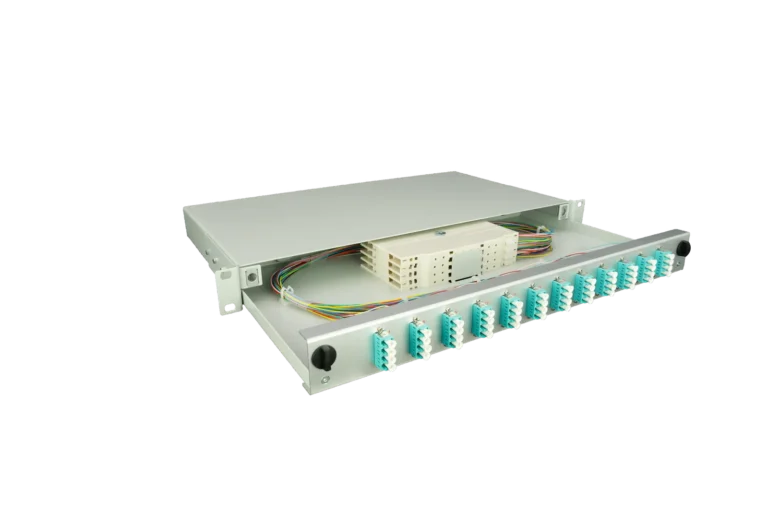
The SlimConnect 1U system represents a new generation of splice boxes that have been specially developed to meet the requirements of modern network architectures. With up to 96 fibers per height unit, it offers one of the highest packing densities on the market without compromising on accessibility.
System houses can thus offer their customers cost-efficient solutions for data centers, office buildings and educational facilities. The permanently installed design ensures maximum operational reliability with minimum maintenance requirements.
A fibre optic VAR range benefits from the standardization of these components. System houses can cover a wide range of customer requirements with just a few product variants and optimize their warehousing at the same time.
VarioConnect: Modular flexibility for growing requirements
While SlimConnect is optimized for defined installations, the VarioConnect system opens up completely new possibilities for adaptive network architectures. The modular 1U system makes it possible to gradually expand splice capacities without interrupting existing connections.
For system houses, this means that they can offer their customers future-proof investments. A fiber optic VAR program should take such upgrade opportunities into account, as they promote long-term customer relationships and generate recurring revenue.
The VarioConnect 3U subracks extend this flexibility to larger installations. System integrators can use them to implement complex distribution architectures that can be adapted to changing business requirements.
RailConnect: Compact solutions for distribution cabinets
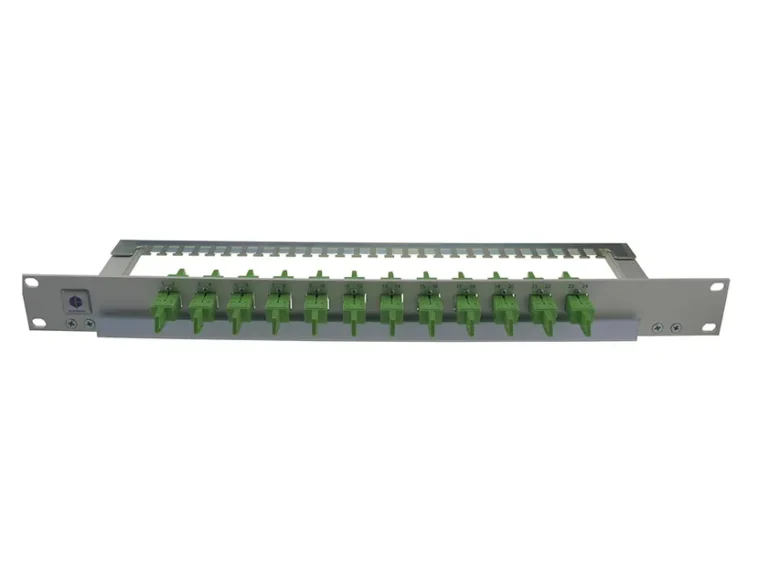
The RailConnect top-hat rail box system complements the VAR fiber optic range with cost-effective solutions for smaller installations. With a width of 7HP, it fits into standard control cabinets and enables decentralized fibre optic distribution without complex 19″ installations.
This flexibility is particularly interesting for industrial companies and smaller office locations. System houses can therefore also handle projects with limited budgets economically.
Target groups for VAR programs in fiber optic technology
A successful fiber optic VAR program addresses different customer segments with specific requirements. System houses should adapt their positioning accordingly.
Municipal utilities and municipal suppliers
Municipal utilities are investing heavily in their own fiber optic infrastructures. They need reliable, durable components with high availability. At the same time, cost-effectiveness and local support play an important role.
System houses can score points here with sound consulting services. The 5-year guarantee on high-quality European production appeals to municipal decision-makers who need to make sustainable investments.
A fiber optic VAR program for municipal utilities should also take regulatory aspects into account. Funding opportunities, tendering procedures and compliance requirements have a significant impact on project decisions.
Industrial companies and manufacturing companies
The industry requires robust fiber optic solutions for production environments. The focus here is on reliability and minimal downtime. Modular systems make it possible to carry out maintenance work without production downtime.
A fiber optic VAR program for industrial customers should also include training and technical support. System houses can position themselves as competent contacts for all aspects of fiber optic installation.
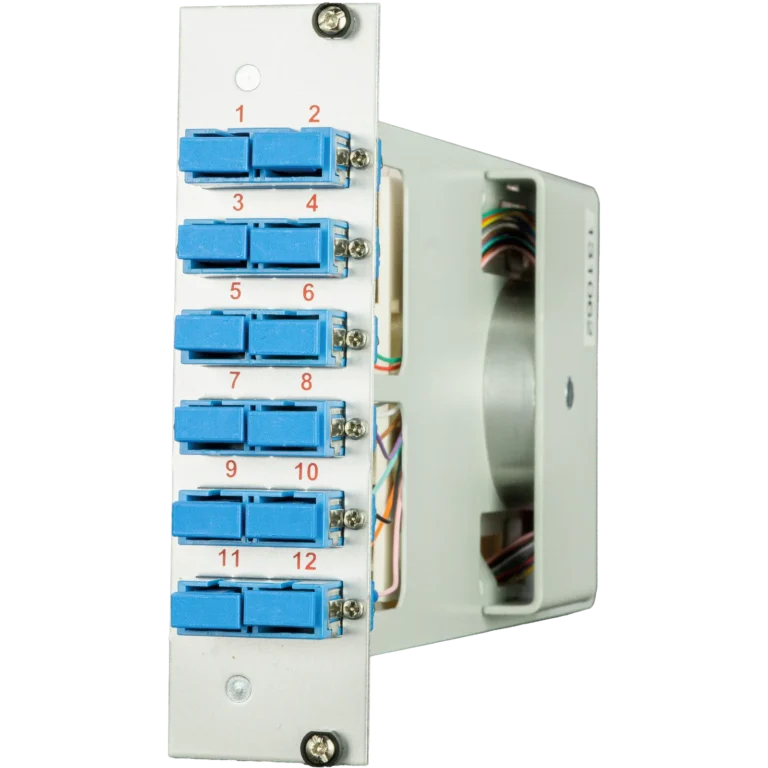
Integration into existing automation systems requires specific know-how. EasyConnect splice modules simplify maintenance work and reduce downtimes.
Transport companies and critical infrastructures
Transport companies and other operators of critical infrastructures have particularly high requirements in terms of availability and redundancy. Modular splicing systems enable redundant cabling concepts and facilitate maintenance work in sensitive environments.
The tool-free handling of the EasyConnect modules reduces maintenance times and minimizes sources of error. For system houses, this means that they can offer their customers measurable operating cost benefits.
Technical requirements for successful VAR partnerships
A fiber optic VAR program requires specific expertise that goes beyond conventional IT knowledge. Successful system houses invest in the qualification of their employees and build up corresponding skills.
Basics of fiber optic technology
Employees must understand the physical properties of optical fibers in order to be able to provide customers with competent advice. This includes knowledge of singlemode and multimode fibers, attenuation values and transmission ranges.
Understanding different connector types and their areas of application is essential. As a certified partner of leading component manufacturers, system houses can rely on proven industry standards and offer their customers future-proof solutions.
The modular design of modern splicing systems considerably simplifies project planning. Standardized components reduce complexity and enable even less experienced teams to achieve professional results.
Project planning and dimensioning
Fiber optic projects require careful planning. System houses must be able to determine fiber requirements, design distribution architectures and select suitable fiber optic components.
The modular design of modern splicing systems simplifies this task considerably. With standardized 19″ components and uniform installation procedures, even less experienced project teams can achieve professional results.
A fiber optic VAR program should provide appropriate planning tools and dimensioning aids. These support system houses in preparing quotations and reduce planning errors.
Installation assistance and support
Many customers expect their system house not only to supply components, but also to provide support during installation. A fiber optic VAR program should include appropriate training courses and technical support.
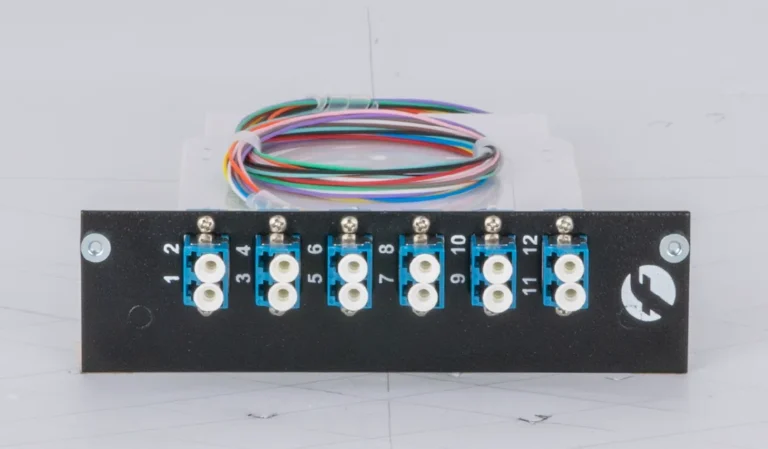
The BasicConnect front modules enable simple adaptations and extensions even after the initial installation. System houses can therefore offer their customers flexible solutions that adapt to changing requirements.
Market positioning and competitive advantages
A successful fiber optic VAR program differentiates itself through clear unique selling points. System houses should identify their specific strengths and communicate them accordingly.
Quality and reliability
High-quality European production in accordance with German quality standards creates confidence among discerning customers. The 5-year guarantee underlines the confidence in the product quality and offers customers calculable security.
Modular systems make it possible to guarantee the same quality even when expanding or converting. Customers appreciate the compatibility and expandability, which creates long-term investment security.
A fiber optic VAR program benefits from this quality positioning. System houses can position themselves as premium providers without having to justify exorbitant prices.
Flexibility and scalability
The ability to gradually expand fiber optic infrastructures without affecting existing installations is an important sales argument. This allows system houses to offer their customers phased implementations that adapt to available budgets.
The modular concept extends across all product lines and enables standardized installation procedures. This reduces training costs and simplifies warehousing for system houses.
Local proximity and service
While international corporations often offer standardized solutions, specialized system houses can score with local proximity and individual service. Short response times and personal support are important differentiators.
A fiber optic VAR program should support these strengths by enabling flexible procurement models and local warehousing. Tailor-made fiber optic projects often require short-term adjustments and individual solutions.
Economic aspects of a VAR program
The profitability of a fiber optic VAR program depends on various factors. System houses should consider both direct product margins and long-term service revenues.
Project-based revenue vs. recurring revenue
Fiber optic projects often generate high individual sales, but have longer sales cycles than standard products. System houses should plan their sales resources accordingly and allow for longer project durations.
Modular systems make it possible to develop recurring business from initial projects. Extensions, conversions and maintenance contracts can generate stable revenue streams that stabilize the business model.
A well thought-out fiber optic VAR program takes these aspects into account and offers appropriate support for long-term customer relationships.
Investments in expertise and certifications
A fiber optic VAR program requires investments in employee training and technical equipment. These costs should be included in the calculation, but are amortized through higher project margins.
Certifications and training create credibility with customers and enable access to challenging projects. Cooperation with established manufacturers facilitates the development of corresponding expertise.
Risk management and project safeguarding
Fiber optic projects can be complex and present unforeseen challenges. A well-designed fiber VAR program should include mechanisms to minimize risk.
The high quality and proven technology of modular splicing systems significantly reduces technical risks. Clear specifications and comprehensive documentation facilitate project planning and implementation.
Integration into existing system house portfolios
Many system houses already have established business relationships and proven sales structures. A fiber optic VAR program should leverage these strengths and expand existing customer relationships.
Synergies with existing product lines
Fiber optic infrastructures are often part of comprehensive IT projects. System houses can expand their existing expertise in network technology, security solutions or cloud services and offer their customers complete solutions.
The BasicConnect front modules, for example, enable the integration of different connection technologies into uniform 19″ systems. Customers appreciate such integrated concepts that coordinate different systems.
Customer development and cross-selling
Existing customers are often the best candidates for fiber optic projects. A fiber optic VAR program makes it possible to deepen established business relationships and tap into new sales potential.
Hospitals and educational institutions that already use IT services often also require modern fiber optic infrastructures. System houses can use their market knowledge and develop specific solutions.
Development of new business areas
A fiber optic VAR program can also enable entry into completely new market segments. Smart city projects or network operators require special skills, but also offer attractive growth opportunities.
The modular router boxes for private households show how business models can be expanded. System houses can thus expand from B2B expertise into B2C markets.
Technical support and partner support
A fiber optic VAR program stands and falls with the quality of the technical support. System houses need reliable partners who can support them with complex projects.
Technical advice and project support
Experienced manufacturers can offer system houses valuable support in project planning. From dimensioning to component selection, VAR partners benefit from proven expertise.
The comprehensive fiber optic knowledge helps system houses to build up their own expertise and provide customers with sound advice. Regular updates on technical developments and standards keep partners up to date.
Logistics and availability
Fiber optic projects often have tight schedules and require reliable deliveries. A fiber optic VAR program should include appropriate logistics concepts and enable system houses to plan their procurement.
Direct access to the online store facilitates the procurement of standard components, while customized solutions require individual coordination.
Training and certifications
Continuous training is essential in the rapidly developing fiber optic technology. VAR partners should have access to the latest training programs and certifications.
Practical training on real components provides the necessary confidence for successful project management. The combination of theoretical knowledge and practical skills qualifies system houses for demanding projects.
Future prospects and market development
The fiber optic market will continue to develop dynamically over the next few years. A fiber optic VAR program should take these trends into account and prepare system houses for future requirements.
Technological developments
New transmission standards and higher data rates are placing increasing demands on fiber optic infrastructures. Modular systems make it possible to gradually upgrade existing installations without having to carry out completely new cabling.
The convergence of different transmission technologies requires flexible distribution concepts. Telecommunications providers are increasingly relying on standardized platforms for different services.
Sustainability requirements
Environmental aspects are also becoming increasingly important in fiber optic technology. Durable, repairable components reduce environmental impact and life cycle costs.
The 5-year guarantee and high-quality European production support sustainable procurement strategies. System houses can use these aspects as sales arguments and appeal to environmentally conscious customers.
Regulatory developments
New standards and regulations influence the requirements for fiber optic installations. VAR partners should be informed about current developments and be able to advise their customers accordingly.
Compliance with European standards ensures compatibility and future-proofing. System houses can rely on proven quality and minimize risks.
Conclusion: VAR programs as a growth opportunity
A well thought-out fiber optic VAR program opens up attractive business opportunities for system houses in a growing market. Modular splicing systems such as SlimConnect and VarioConnect provide the technical basis for successful projects and long-term customer relationships.
Success depends on the right positioning, continuous skills development and the choice of suitable technology partners. System houses that invest in this future technology at an early stage can secure sustainable competitive advantages.
At Fiber Products, we develop modular fiber optic systems for the highest quality requirements. Our modular systems combine proven technology with innovative features.
With a 5-year guarantee and European production according to German quality standards, we offer competitive conditions with professional quality for successful fiber optic networks.
Discover our complete product range or visit our online store. Talk to us – together we will develop the optimum solution for your project. Contact us for an individual consultation or find out about other specialist topics in our fiber optic knowledge blog.