Fiber optic component selection: Strategic planning for professional network infrastructures
The strategic fiber optic component selection forms the foundation of any professional network infrastructure. When planning fiber optic networks, system integrators and IT managers are faced with complex decisions that have a long-term impact on performance, maintainability and overall costs. A well thought-out selection takes into account not only technical specifications, but also factors such as scalability, service friendliness and future-proofing.
Modern fiber optic networks require precise coordination between different system components. From splice boxes and modular systems to specialized solutions for data centers – the right decision is crucial to the success of a project.
Basics of systematic component selection
Professional planning begins with a structured needs analysis. Project managers must first define the specific requirements of their infrastructure. Factors such as the number of fibers, transmission rates, physical environment and planned expansions play a decisive role here.
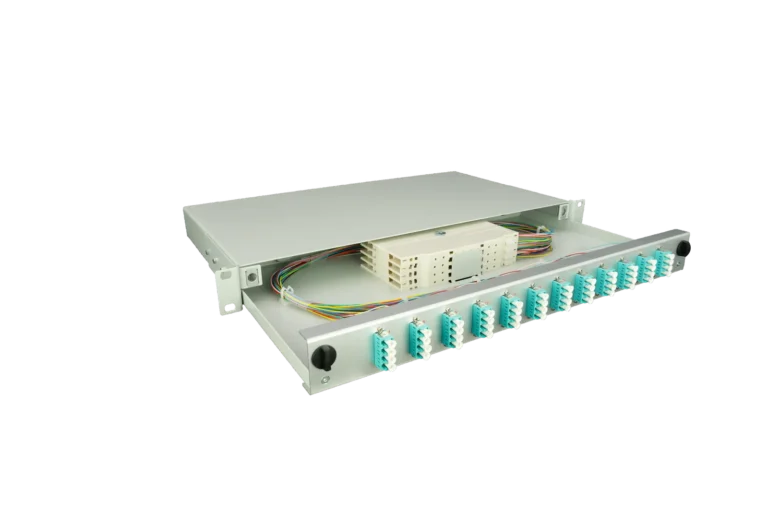
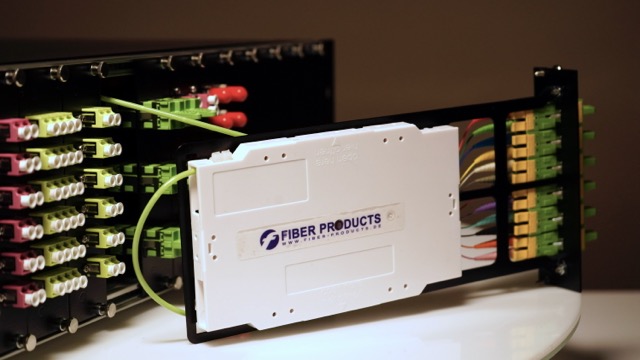
One key aspect is the standardization on proven 19″ rack systems. This standardization enables efficient integration into existing infrastructures and simplifies subsequent expansions. Modular fiber optic systems offer maximum flexibility in the configuration of various application scenarios.
The assessment must also take future technological developments into account. Modern systems should support different connector types and enable upgrade paths for higher transmission rates. System houses in particular benefit from standardized components that can be flexibly adapted to different customer requirements.
Technical evaluation criteria for optimal system solutions
The technical evaluation of fiber optic components focuses on performance parameters. Careful evaluation must take attenuation values, reflection properties and mechanical resilience into account. High-quality components guarantee minimum signal loss and maximum transmission quality for years to come.
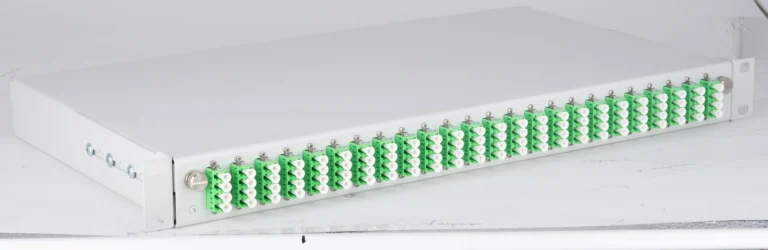
A critical factor is the optimum fiber density per unit of space. Modern 1U systems enable the integration of up to 96 fibers in a minimum of space. This compactness proves to be a decisive advantage, especially in environments with limited space.
The evaluation must also include service-friendly handling. Pull-out modules and tool-free installation significantly reduce maintenance times. Network operators in particular appreciate these features, as they reduce operating costs in the long term and sustainably.
Scalable system architectures for future-proof networks
Future-proof fiber optic networks require well thought-out, scalable architectures. System planning should therefore favor modular concepts that enable step-by-step expansions without major modifications. VarioConnect systems, for example, offer flexible configuration options for different project sizes and requirement profiles.
Compatibility between different modules is crucial in architecture planning. Uniform interfaces and standardized connection technologies make it possible to combine different components within a system. This proves to be indispensable, especially for customized fibre optic projects.
The system architecture must also take hot-swap capabilities into account. Modern systems allow modules to be replaced during operation, which ensures the availability of critical connections. Public utilities and other infrastructure providers benefit in particular from this operational flexibility.
Industry-specific requirements and solutions
Different application areas place specific demands on the network infrastructure. Transport companies, for example, require robust solutions for use in vehicles and depots, while educational institutions rely on cost-efficient systems with simple maintenance and administration.
In industrial environments, the choice of fiber optic components influences the reliability of the entire production infrastructure. Industrial fiber optic solutions must meet special requirements in terms of temperature stability and mechanical resilience in harsh environments.
System planning for clinics is subject to strict availability requirements. Medical facilities cannot afford network failures, which is why redundant systems and fast service times are an absolute priority in the planning phase.
Quality criteria and certifications in the evaluation process
Fiber optic component selevtion is based on DIN EN 50173 standards. European production to German quality standards guarantees consistently high product quality and short delivery routes. At Fiber Products, we combine proven technology with innovative features for maximum reliability.
The evaluation should favor suppliers with comprehensive warranties. A 5-year warranty signals confidence in the product quality and significantly reduces long-term operating risks. This protection is particularly important for system integrators who have to provide warranties to end customers.
Delivery times and availability also play an important role in the assessment. Local warehousing and fast spare parts supply minimize project risks and enable rapid problem solving in critical situations.
Economic aspects of infrastructure planning
A well-considered approach takes into account not only acquisition costs, but also long-term operating costs over the entire life cycle. High-quality components pay for themselves through lower maintenance costs and a longer service life. Competitive prices and premium quality create optimum conditions for cost-effective projects.
The choice of product also has a significant impact on installation costs. Service-friendly systems with tool-free assembly significantly reduce the time required for installation and maintenance. Top-hat rail boxes, for example, enable quick integration into existing distribution systems without the need for time-consuming modifications.
Modular concepts enable needs-based investment planning with gradual expansion stages. Instead of dimensioning complete systems from the outset, operators can expand their infrastructure economically in line with actual demand.
Integration into existing infrastructures
System planning must ensure seamless integration into existing structures. Standardized 19″ rack formats ensure compatibility with established infrastructures. This is particularly relevant for telecommunications providers who want to make optimum use of existing technical rooms.
Cable management aspects should also be carefully considered when selecting a product. Optimized fibre routing and structured cabling make subsequent changes and expansions considerably easier. Professional systems offer sophisticated solutions for cable routing, even in confined spaces.
The decision also influences the documentation and management of the entire infrastructure. Clearly labeled modules and structured arrangements make it easier to identify connections and speed up troubleshooting during operation.
Smart city applications and IoT integration
Modern smart city projects place special demands on the underlying network architecture. The integration of different IoT systems requires flexible and highly scalable infrastructures. Municipal operators need solutions that can be dynamically adapted to growing requirements.
System planning for smart city applications must support various transmission standards simultaneously. From traditional Ethernet connections to modern optical transmission methods – the infrastructure should be able to seamlessly integrate all relevant technologies.
The interoperability of different manufacturer systems must also be taken into account during the evaluation. Open standards and manufacturer-independent interfaces avoid vendor lock-in situations and enable flexible system configurations for the future.
Future trends in network technology
Infrastructure planning must proactively anticipate future technological developments. Higher transmission rates, new modulation methods and extended wavelength ranges continuously influence the requirements for fiber optic components. Future-proof systems offer clear upgrade paths for upcoming technologies.
Sustainability is becoming increasingly strategically important in system planning. Energy-efficient components and environmentally friendly materials meet modern corporate responsibility requirements. European production also significantly reduces CO2 emissions thanks to short transportation routes.
Product development is also significantly influenced by automation trends. Intelligent monitoring systems and automatic configuration options reduce manual administration work and enable proactive maintenance strategies.
Practical implementation of project planning
Successful implementation requires structured and well thought-out project management. First of all, all stakeholders should clearly define their requirements and prioritize them accordingly. A systematic evaluation of various alternative solutions helps with objective and well-founded decision-making.
The creation of prototype installations is recommended for practical implementation. Test setups enable the validation of concepts and the early identification of potential problems before full implementation. This is particularly useful for complex projects.
Project planning should also take comprehensive account of training and support aspects. Competent technical support and detailed documentation facilitate installation and long-term operation. Local support shortens response times in the event of problems.
Service and support for system selection
Professional network planning also includes the careful evaluation of service and support services. Expert advice helps with the optimum system configuration and prevents costly mistakes. Experienced providers know the specific requirements of different industries inside out.
The evaluation should clearly favor suppliers with a comprehensive product range. A broad product range enables the procurement of all required components from a single source and considerably simplifies logistics and administration.
Long-term partnerships are created through reliable advice and continuous, professional support. Regular product updates and detailed technology roadmaps help with strategic infrastructure planning for years to come.
Conclusion: Strategic planning for sustainable networks
The strategic selection of fiber optic components forms the solid foundation of future-proof network infrastructures. By taking technical, economic and operational factors into account, solutions are created that function optimally in the long term. Modular systems, standardized interfaces and service-friendly designs ensure maximum flexibility for future requirements.
Successful project planning requires a holistic view of all relevant aspects. From the initial needs analysis to the detailed technical specification and the long-term maintenance strategy – all factors must be coordinated. Professional advice and experienced partners provide support in this complex task.
At Fiber Products, we develop fiber optic components that meet the highest quality standards. Our modular systems combine proven technology with innovative features. With a 5-year guarantee and European production to German quality standards, we offer competitive prices and premium quality for professional fiber optic networks.
Discover our complete product range or visit our online store. Talk to us – together we will develop the optimum solution for your project. Contact us for an individual consultation or find out about other specialist topics in our fiber optic knowledge blog.
Request a Consultation
Our experts will advise you on modular fiber optic solutions for your specific application — fast, personal and non-binding.