Wind farm grid infrastructure: splice modules for renewable energy systems and sustainable energy transition

The communication basis of the energy transition
Wind farm grid infrastructure forms the technical foundation for the successful integration of renewable energies into modern power grids. Renewable energy systems are highly complex, networked installations that depend on reliable fiber optic communication to ensure optimal energy yield, grid stability and economical operation. The quality of the grid infrastructure is crucial to the success of the energy transition.
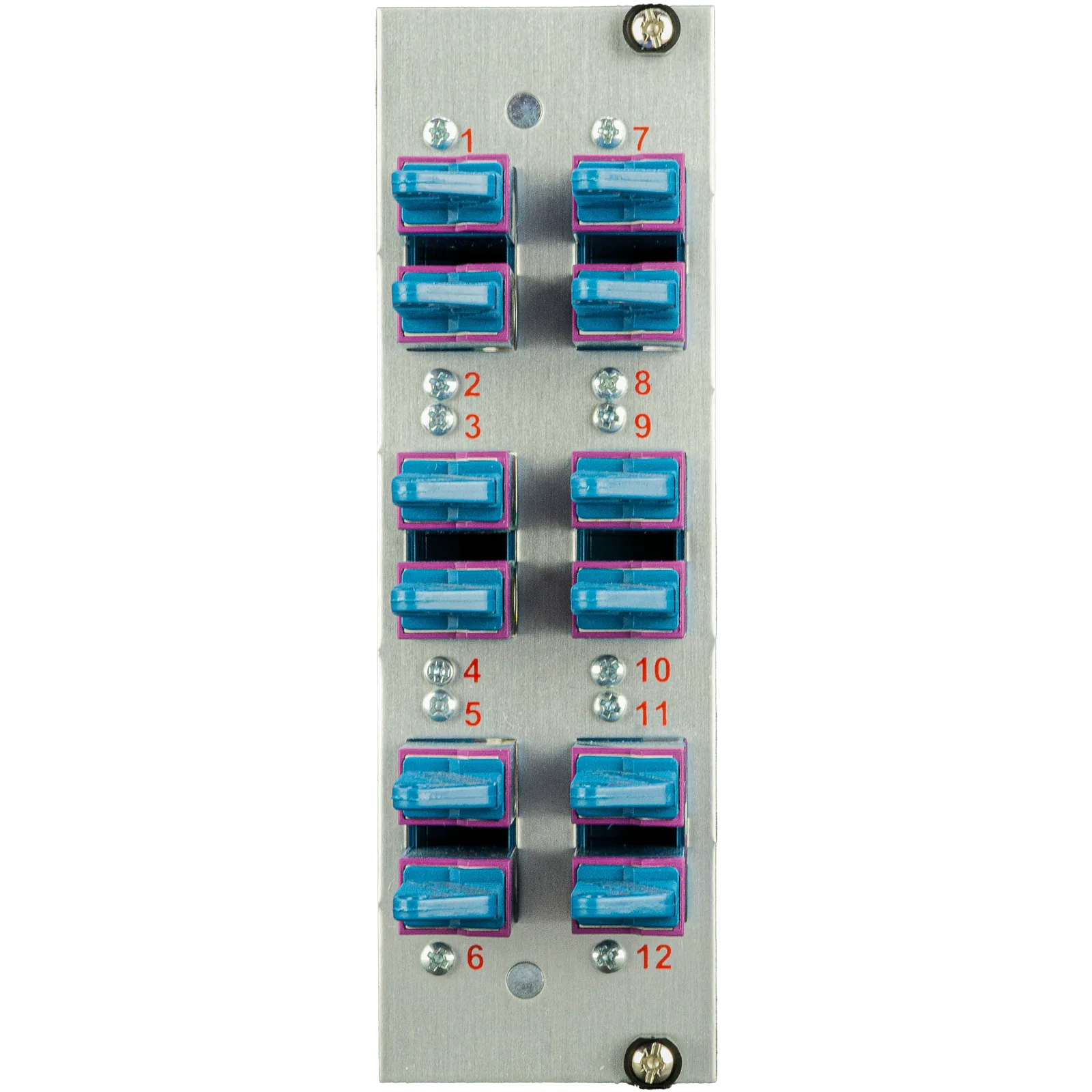
Modern wind farm grid infrastructure must do much more than simply transmit data: it enables intelligent energy management systems, predictive maintenance, grid integration and coordination with other renewable energy systems such as solar, biogas and storage systems. This networking of different energy technologies requires flexible, scalable communication architectures.
The challenges of the energy transition – from volatile energy production to complex grid integration and new market mechanisms – can only be overcome with intelligent wind farm grid infrastructure. Renewable energy systems are becoming cyber-physical systems that seamlessly integrate energy and information technology.
System integration of renewable energy technologies
Hybrid energy parks and multi-technology integration
Modern renewable energy systems are increasingly combining different generation technologies: Wind-solar hybrid parks, integrated battery storage and power-to-X systems create synergies and improve system efficiency. Wind farm grid infrastructure must support this multi-technology integration through standardized communication platforms.
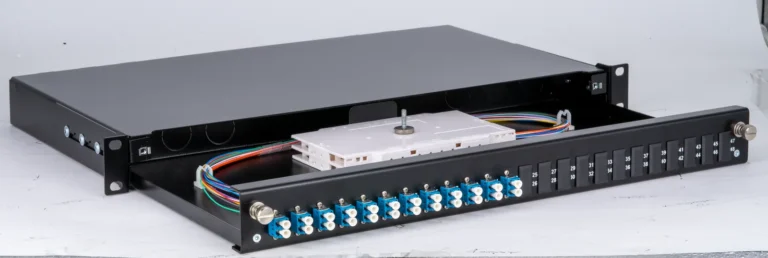
Renewable energy systems benefit from modular fiber optic architectures that can integrate different technologies into coherent network structures. VarioConnect systems offer the flexibility required for complex, hybrid energy systems.
The extendable modules enable service-friendly maintenance even when various energy systems are in operation – essential for continuous availability and optimum energy yield in wind farm grid infrastructure environments.
Energy storage integration and demand response
Wind farm grid infrastructure must also support energy storage systems and demand response programs that balance volatile renewable energy production and ensure grid stability. Renewable energy systems are becoming intelligent, reactive networks.
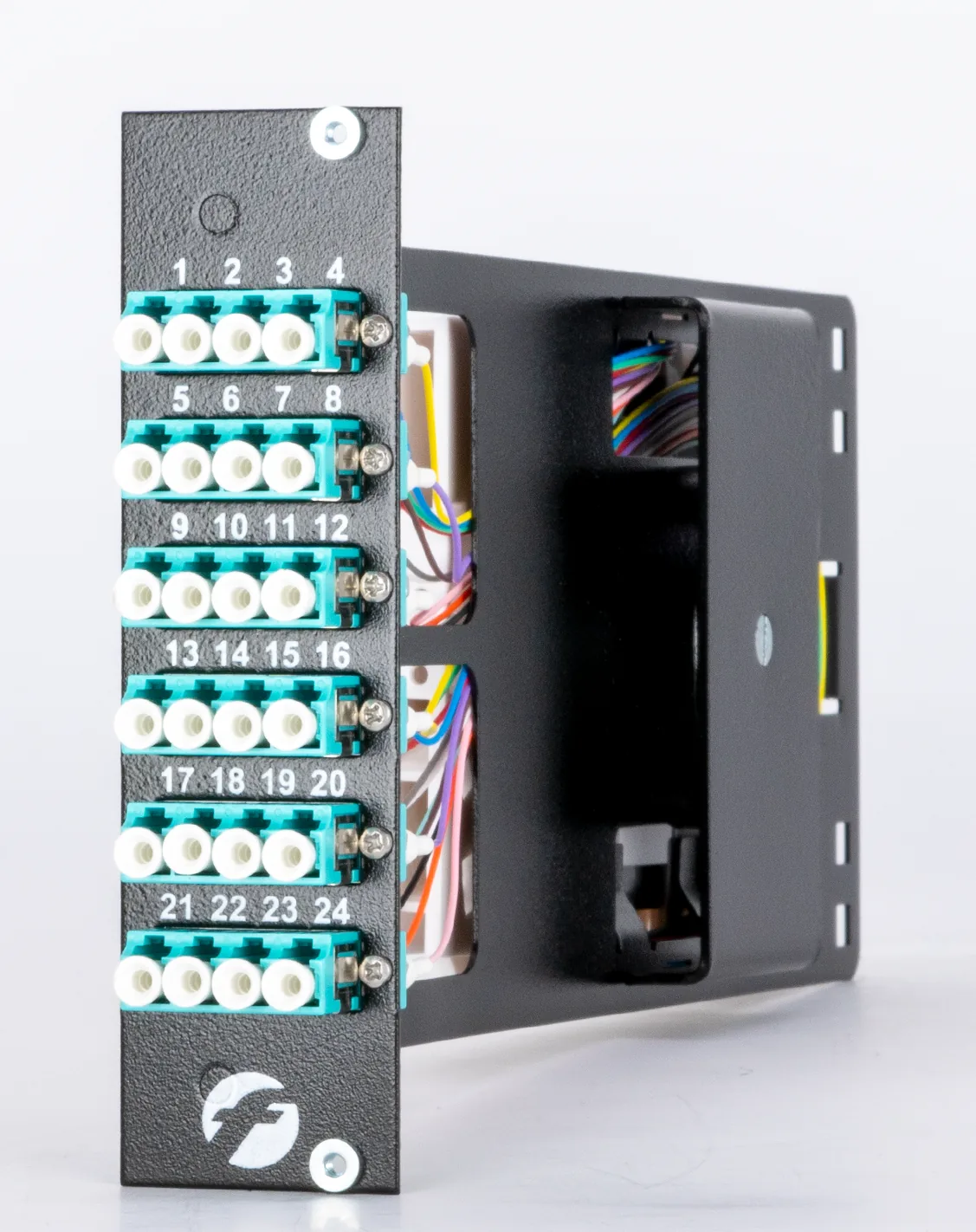
Modular fiber optic systems enable the integration of various storage technologies: from lithium batteries and pumped storage to innovative power-to-gas systems. The systematic fiber routing in modular splicing systems maintains clarity even with complex integrations.
The service-friendly design is particularly important for storage integrations, where different technologies may have different maintenance cycles and requirements.
Smart grid integration and grid stabilization
Renewable energy systems must be seamlessly integrated into smart grid architectures and actively contribute to grid stabilization. Wind farm grid infrastructure enables bidirectional communication between energy producers and grid operators for optimal system coordination.
Modern smart grid integration requires real-time capabilities and deterministic communication for frequency control, voltage stabilization and load management. Modular fiber optic architectures can reliably meet these demanding requirements.
The flexibility of modular systems also enables adaptations to various smart grid standards and evolving grid codes without fundamental infrastructure changes.
Maintenance-optimized system concepts
Service-friendly design for energy systems
Wind farm grid infrastructure must be maintainable under demanding operating conditions, as renewable energy systems are optimized for maximum availability. Renewable energy systems require maintenance concepts that ensure minimal operational interruptions.
The pull-out modules in modular splicing systems allow direct access to relevant components without extensive system disassembly. This significantly reduces maintenance times and minimizes the impact on the energy production of various renewable energy systems.
Wind farm grid infrastructure with service-friendly design also supports hot service work on redundant systems without interrupting critical power and communication links.
Modular repairability and spare parts management
Renewable energy systems often have long operating times and must remain maintainable for decades. Wind farm grid infrastructure with modular concepts simplifies spare parts logistics and enables granular repairs.
Modular architectures significantly reduce spare parts complexity: standardized modules can be stocked instead of having to store separate spare parts for each specific configuration. This is particularly valuable for renewable energy systems with long project durations.
The modular repairability also enables temporary emergency configurations: Defective modules can be replaced quickly, while repairs are carried out in controlled workshop environments.
Predictive maintenance for communication systems
Wind farm grid infrastructure can integrate intelligent monitoring systems that enable predictive maintenance for the communication infrastructure itself. This reduces unplanned outages and optimizes maintenance cycles in renewable energy systems.
Modular systems support granular monitoring: individual modules can be continuously monitored and deviations can be detected early on before they lead to failures.
The integration of monitoring systems into modular wind farm grid infrastructure also enables data-based optimization of communication performance and proactive maintenance planning.
Technical requirements for energy system communication
Real-time capabilities and deterministic transmission
Renewable energy systems often require real-time capabilities for grid stabilization, protection functions and coordinated control of different systems. Wind farm grid infrastructure must ensure deterministic transmission characteristics.
Modular fiber optic systems offer the required performance for time-critical energy applications: Low latencies, constant transmission times and high availability are characteristic of professional fiber optic components.
The systematic architecture of modular systems also facilitates quality of service implementations that can classify different data streams according to priority and time requirements.
High-availability redundancy concepts
Wind farm grid infrastructure must meet the highest availability requirements, as communication failures can affect the entire energy production. Renewable energy systems require well thought-out redundancy strategies.
Modular architectures enable granular redundancy: critical connections can be duplicated, while less critical services can get by with a single connection. This optimizes costs with maximum security for critical functions.
The flexibility of modular systems also supports various redundancy topologies: ring structures, mesh networks or hierarchical backup concepts can be implemented depending on the application requirements.
Scalability for growing energy systems
Renewable energy systems often grow in phases: Wind farms are gradually expanded, storage capacities are increased and new technologies are integrated. Wind farm grid infrastructure must support this evolution with scalable architectures.
SlimConnect 1U systems can serve as entry-level configurations and can be expanded to high-capacity VarioConnect installations if required.
Modular expandability enables renewable energy systems to start with current requirements and scale up gradually without devaluing previous investments.
Integration into energy management systems
SCADA infrastructure and energy control technology
Wind farm grid infrastructure must provide reliable fiber optic foundations for SCADA systems and energy control technology that monitor and control all critical processes in renewable energy systems. This integration requires high-performance, reliable fiber optic communication infrastructures.
Industrial fiber optic solutions demonstrate proven approaches for reliable communication in demanding environments. Renewable energy systems benefit from similar robust, easy-to-maintain concepts.
The extendable modules also enable quick adaptations to changing SCADA configurations without extensive system reconfiguration – important for flexible energy management strategies.
Communication basis for market integration and trading systems
Modern renewable energy systems must be integrated into complex energy markets via reliable fiber optic infrastructures: Spot markets, balancing energy markets and innovative trading platforms require stable data connections. Wind farm grid infrastructure creates the technical basis for this market integration.
Energy trading often requires real-time data and fast response capabilities for optimal marketing of volatile renewable energy production. Modular fiber optic systems offer the required performance for time-sensitive trading applications.
The flexibility of modular architectures also enables the integration of different market platforms and trading systems without fundamental infrastructure changes.
Fiber optic infrastructure for asset management and performance optimization
Renewable energy systems require reliable communication foundations for comprehensive asset management systems for lifecycle optimization and maximum profitability. Wind farm grid infrastructure creates the technical basis for long-term data collection and analysis.
Modern asset management systems use machine learning and AI to optimize performance. This requires both high data volumes and low latencies – communication requirements that modular fiber optic systems can optimally meet as a technical basis.
The 5-year guarantee on modular components supports long-term asset management strategies through predictable infrastructure costs and reduced uncertainties.
Environmental and sustainability aspects
Green IT for renewable energy systems
Wind farm grid infrastructure must also meet sustainability requirements and minimize the ecological footprint of renewable energy systems. Green IT principles are also becoming increasingly important for communication infrastructures.
Modular fiber optic systems support sustainability through energy-efficient transmission, long component lifetimes and modular repairability instead of a throw-away mentality. This is consistent with the sustainability goals of renewable energy systems.
European production with short transport routes and the option of gradual modernization also reduce the carbon footprint of the wind farm grid infrastructure.
Circular economy and component recycling
Renewable energy systems should also follow circular economy principles in their infrastructure. Wind farm grid infrastructure with modular concepts supports these approaches through reparability and reusability.
Modular components can be reused in other projects or systematically recycled at the end of their service life. This reduces electronic waste and supports sustainable technology cycles.
The long service life of modular systems with a 5-year guarantee also reduces the frequency of component replacement and the associated environmental impact.
Biodiversity and environmental protection
Wind farm grid infrastructure installation must also take environmental protection and biodiversity into account. Renewable energy systems should have a positive environmental impact and at the same time protect local ecosystems.
Compact, modular fibre optic systems minimize land consumption and interference with natural habitats. Installation in existing technical buildings reduces additional construction activities.
Maintenance-friendly designs also reduce the frequency of service calls and associated disruption to wildlife and ecosystems around renewable energy systems.
Digitalization and Industry 4.0 in the energy transition
Digital twins and virtual power plants
Renewable energy systems are increasingly using digital twin technologies for optimization and virtual power plant concepts for coordinated control of distributed systems. Wind farm grid infrastructure must support these digital innovations with high-performance communication.
Digital twins require continuous data collection and bi-directional communication between physical assets and digital models. Modular fiber optic systems provide the necessary bandwidth and reliability.
Virtual power plants coordinate hundreds of renewable energy systems in real time and require ultra-reliable communication infrastructures for successful market integration.
Artificial intelligence and machine learning
Wind farm grid infrastructure creates the technical basis for data-driven performance optimization of renewable energy systems: Predictive analytics for maintenance, intelligent energy forecasts and automatic control algorithms improve system performance through reliable fiber optic communication.
AI applications often require high data rates and low latencies for real-time optimization. Modular fiber architectures provide the required scalability for data-intensive AI applications.
Edge computing concepts can be integrated into modular wind farm grid infrastructure and enable local AI processing for reduced latency and optimized bandwidth usage.
Blockchain and decentralized energy markets
Innovative renewable energy systems are experimenting with blockchain technologies for decentralized energy markets and peer-to-peer energy trading. Wind farm grid infrastructure creates the communication basis for these new market mechanisms.
Blockchain applications require reliable, secure communication connections for transaction security and market integrity. Modular fiber optic systems provide the necessary basis for innovative energy market experiments.
The flexibility of modular architectures also makes it possible to test and integrate new blockchain protocols and decentralized applications step by step.
Economic optimization of renewable energy systems
Levelized Cost of Energy (LCOE) optimization
Wind farm grid infrastructure creates the technical basis for optimizing the Levelized Cost of Energy, a critical economic efficiency indicator for renewable energy systems. Reliable fibre optic communication enables higher availability and optimized performance.
Modular, service-friendly fiber optic systems reduce maintenance costs and downtimes, which is directly reflected in improved LCOE values. The 5-year guarantee makes operating costs predictable.
Optimized wind farm grid infrastructure also creates the communication foundation for advanced performance optimizations through data-driven algorithms that maximize energy yield and further reduce LCOE.
Financing and investor security
Renewable energy systems require significant capital investment with long payback periods. Wind farm grid infrastructure with proven quality and reliability reduces investment risks and improves financing conditions.
The 5-year warranty on modular components demonstrates manufacturer confidence and reduces uncertainty for investors and financing partners. Documented ease of maintenance supports long-term operational planning.
Modular expandability also enables phased financing: renewable energy systems can start with manageable investments and be expanded in line with available financing.
Business Model Innovation
Wind farm grid infrastructure enables innovative business models for renewable energy systems: energy-as-a-service, virtual power plants and new marketing strategies require flexible, scalable communication architectures.
Modular systems support different business models in the same infrastructure: different services can be offered in parallel without having to set up separate communication systems.
The flexibility of modular architectures also makes it possible to experiment with new business models and, if successful, to scale up without risking fundamental infrastructure investments.
Future trends in renewable energy systems
Sector coupling and Power-to-X
Future renewable energy systems will increasingly use sector coupling: Power-to-heat, power-to-gas and power-to-liquid technologies connect electricity, heat and transportation sectors. Wind farm grid infrastructure must support these expanded applications.
Power-to-X systems require complex control and integration of different processes. Modular fiber optic architectures can support these multi-system integrations with flexible, expandable communication concepts.
The service-friendly design is becoming even more important, as Power-to-X systems often combine different technologies with different maintenance requirements.
Floating solar and innovative technologies
Renewable energy systems are expanding into new areas: Floating solar, agri-PV and other innovative technologies are creating new fields of application for wind farm grid infrastructure.
Modular systems can adapt to new environments and technologies: From floating solar panels to vertical wind turbines, flexible communication architectures support technological innovation.
The standardization of modular components also enables technology transfer between different renewable energy systems and accelerates innovation through reusable solution concepts.
International networking and supergrid
In the long term, renewable energy systems will be networked internationally: supergrid concepts combine different climate zones and technologies for an optimal global energy supply. Wind farm grid infrastructure must support this vision.
International networking requires standardized, interoperable communication protocols and systems. Modular architectures with open standards create the basis for global energy system integration.
The future of energy supply is based on the intelligent networking of renewable energy systems worldwide – modular wind farm grid infrastructure creates the technical basis for this vision.
Conclusion: Modular infrastructures as an enabler of the energy transition
Wind farm grid infrastructure through modular, service-friendly fiber optic systems is a critical enabler for successful renewable energy systems. From the optimization of individual plants to the integration of different technologies and market integration – reliable communication is the foundation of the energy transition.
Investing in high-quality, modular wind farm grid infrastructure pays off through improved system performance, reduced operating costs and expanded business opportunities. Renewable energy systems are developing into intelligent, networked infrastructures that rely on first-class communication technology.
Modular concepts offer the necessary flexibility for the rapidly evolving energy sector: from traditional wind farms to hybrid multi-technology systems and innovative Power-to-X systems – modular wind farm grid infrastructure can adapt to new requirements.
The future of sustainable energy supply is based on intelligent, networked renewable energy systems with reliable, high-performance communication. Wind farm grid infrastructure with modular, maintenance-friendly concepts creates the technical basis for this sustainable energy revolution.
At Fiber Products, we develop modular fiber optic systems for the highest quality requirements. Our modular systems combine proven technology with innovative features. With a 5-year guarantee and European production to German quality standards, we offer competitive prices and premium quality for professional fiber optic networks.
Discover our complete product range or visit our online store. Talk to us – together we will develop the optimal solution for your renewable energy system project. Contact us for an individual consultation or find out more about other specialist topics in our fiber optic knowledge blog.