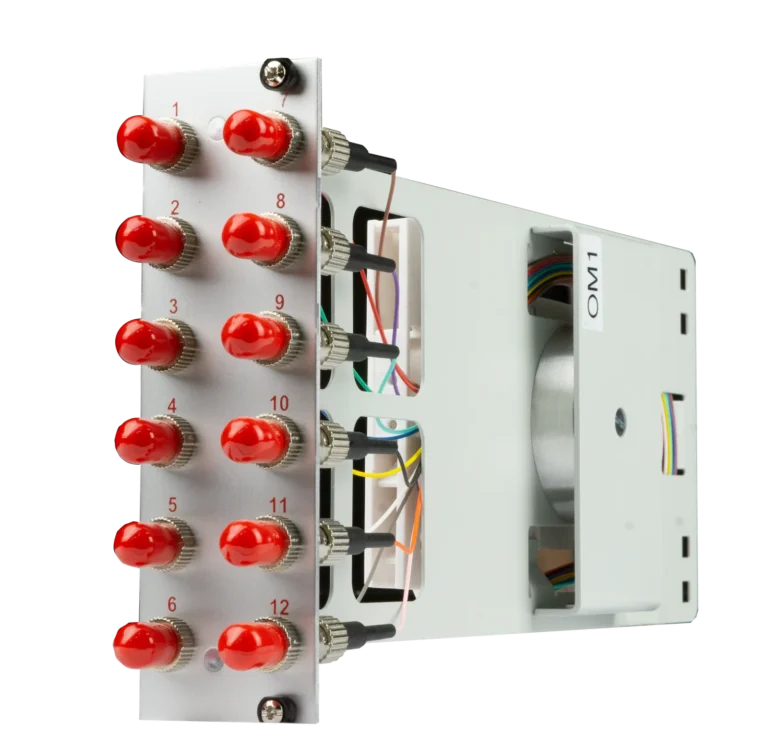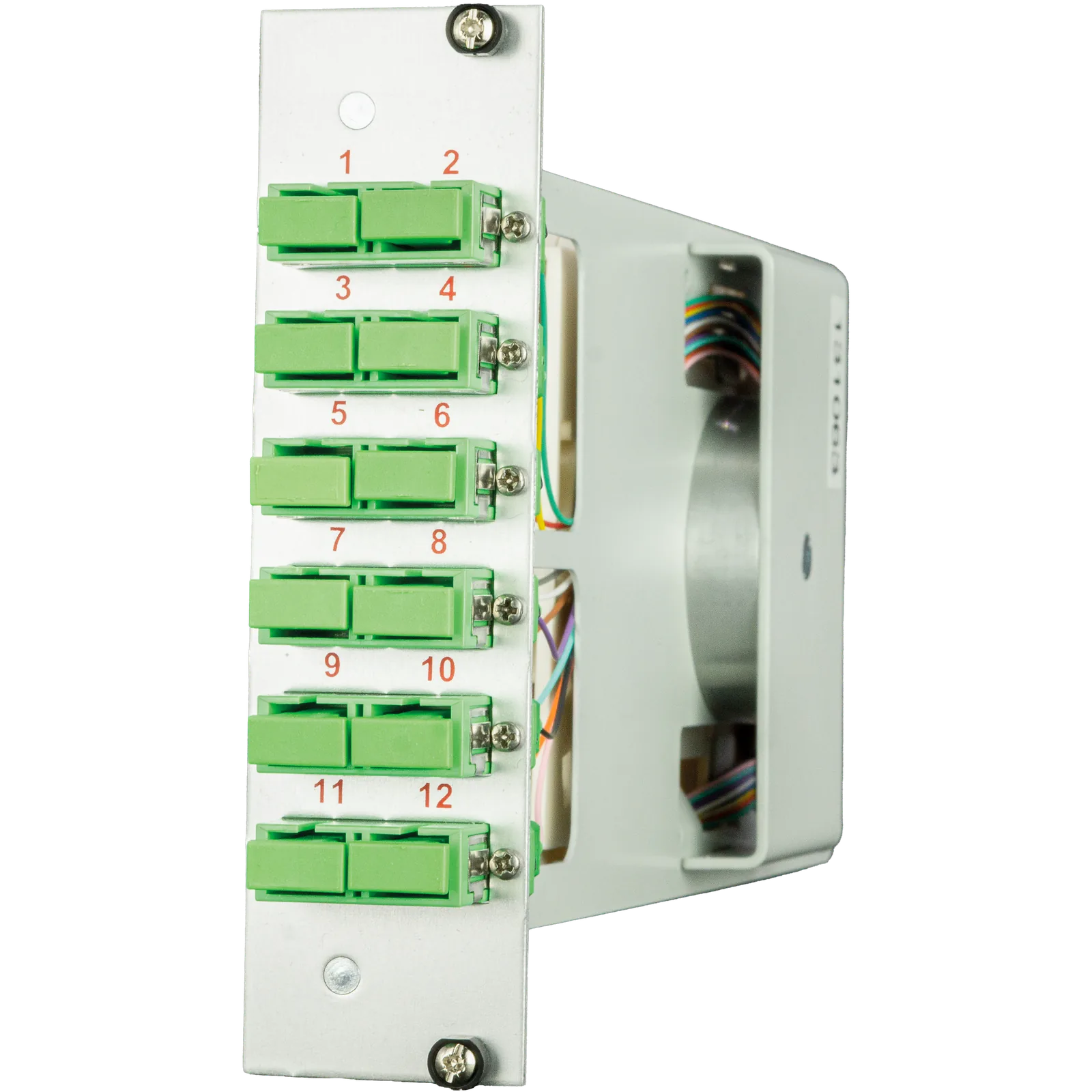
7TE splice modules Troubleshooting: Systematic fault diagnosis for efficient fiber optic maintenance
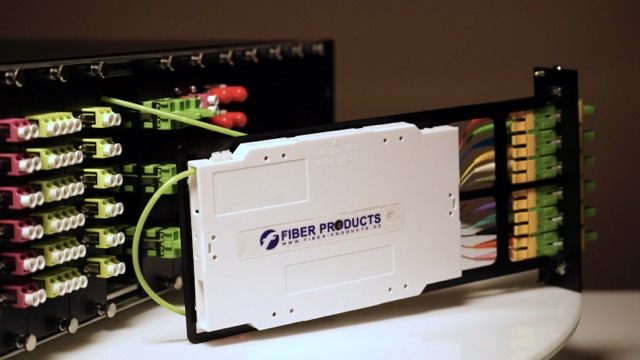
7TE splice modules Troubleshooting: Systematic fault diagnosis for efficient fiber optic maintenanceSystematic troubleshooting of fiber optic systems is changing from time-consuming detective work to efficient, methodical fault diagnosis. Modular 7TE splice modules are revolutionizing both diagnostic speed and repair precision. While traditional splice housings often require hours of search operations in chaotic cable structures, modern splice modules enable targeted fault identification within minutes thanks to their systematic modularity.
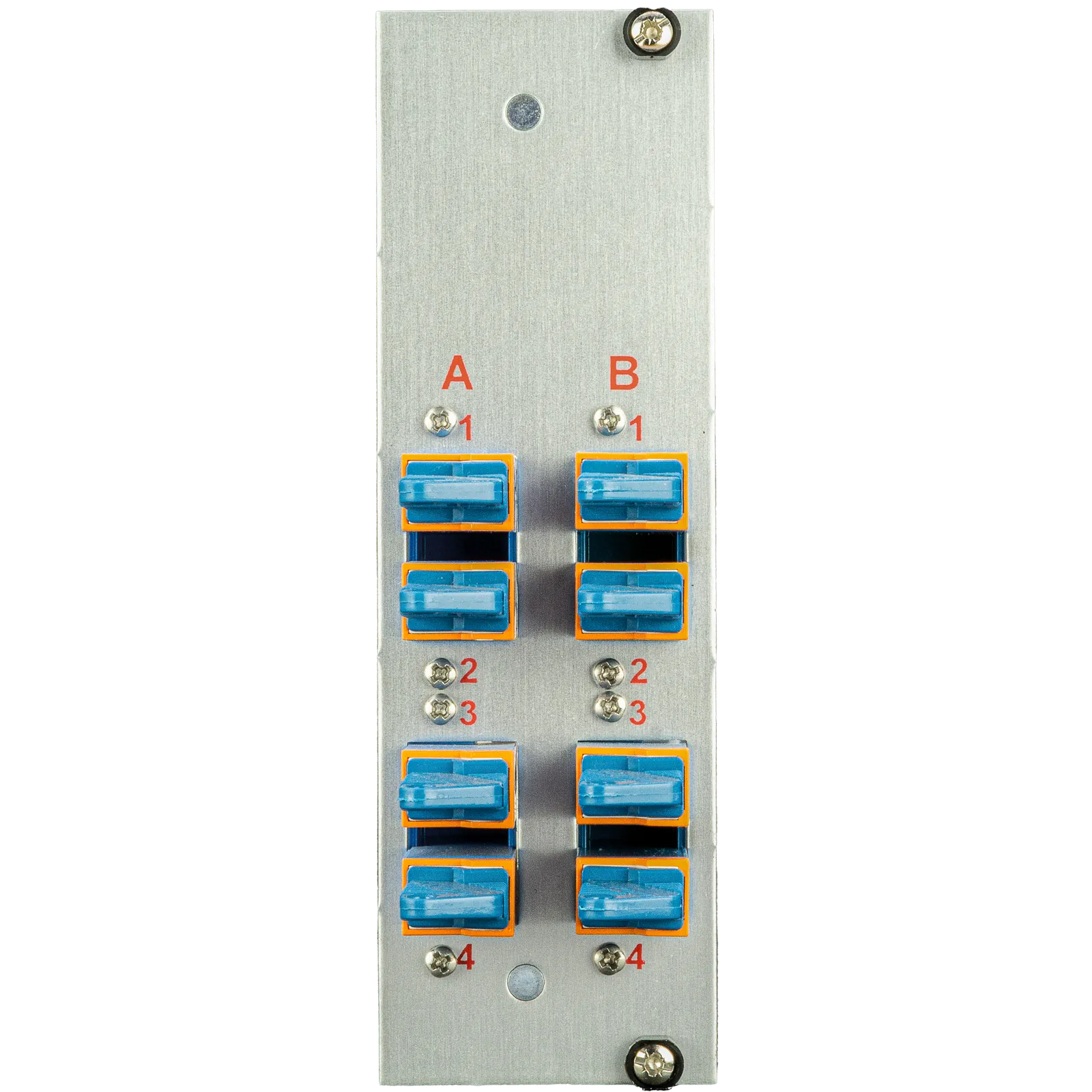
The structured architecture creates clear reference points for OTDR measurements, systematic test procedures and logical fault isolation. A defective 7TE splice module with 24 connectors can be diagnosed in isolation without affecting 264 other fibers. This granularity reduces diagnostic time and eliminates collateral damage from search activities.
Systematic diagnostic hierarchy for 7TE splice modules Troubleshooting
Modular 7TE splice modules enable structured top-down diagnostics from rough to detailed. Level 1 identifies affected systems, level 2 narrows down to modules, level 3 isolates individual fibers. This hierarchy systematically reduces search space and prevents haphazard measurement activities. Each diagnostic level has defined test points and decision criteria.
System level diagnostics
System-level diagnostics begins with overall system performance checks. Backbone connections are checked for attenuation and reflection. Power budget analyses identify systemic problems with fiber optic solutions for data centers. Traffic pattern analysis reveals performance anomalies. This macro view prevents micro-optimization of systemic problems.
Professional fiber optic solutions for system integrators use structured diagnostic procedures for maximum efficiency. Modern 7TE splice modules support this systematic approach with clear module demarcations.
Module-level insulation
Module-level isolation uses systematic test sequences. Each 7TE splice module is tested sequentially and removed from the fault list or marked as problematic. Comparative measurements between modules identify outliers. This methodical limitation reduces the search range from 288 to 24 fibers per module.
Fiber optic solutions for installers particularly benefit from this structured approach, as it drastically shortens diagnostic times and reduces expertise requirements.
Fiber level diagnosis
Fiber level diagnostics are performed after module identification. Individual fibers are diagnosed by OTDR measurements or optical tests. Pin-pointing enables precise fault localization. This granular diagnosis leads to surgically precise repairs without collateral damage.
OTDR measurements in modular 7TE splice modules Troubleshooting architectures
Structured OTDR measurement sequence uses modular organization of 7TE splice modules. Measurements are made systematically from module to module instead of randomly through the system. This structure ensures complete coverage without redundancy. Measurement templates for different module types standardize procedures.
Reference level establishment for comparative measurements creates baseline measurements of functional modules as reference values for problem evaluation. These references enable objective evaluation of measurement results. Historical data from previous measurements supports trend analysis for fiber optic solutions for network operators.
Module-specific OTDR setups
Different 7TE splice modules require customized OTDR parameters. Splice modules require different settings than front modules. Automated Test Setups can automatically load module-specific parameters. This optimization significantly improves measurement accuracy and speed.
Event correlation between 7TE splice modules reveals patterns that would be overlooked if viewed in isolation. This correlation is particularly valuable for intermittent faults in fiber optic solutions for public utilities.
Modular fault containment and isolation
Selective module testing using structured test procedures enables systematic fault identification. Suspicious 7TE splice modules can be diagnosed in isolation. This substitution confirms or refutes module involvement in the problem. Structured testing reduces diagnostic time compared to complex full system tests.
Cross-Module Comparison for anomaly detection compares performance parameters between similar modules. Statistical outlier detection automatically identifies problematic 7TE splice modules. This comparison methodology is particularly valuable for telecommunication providers when dealing with creeping degradation in fiber optic solutions.
Granular Fault Isolation
Module Bypass Testing allows temporary bypassing of problematic modules to test system function. This isolation confirms module involvement and enables service recovery during repair. Bypass strategies must be considered in the design.
Granular fault isolation down to fiber level is performed after module identification. Individual fibers can be systematically tested. Selective Disconnection and Testing narrows down problems to individual connections. This granularity enables surgically precise repairs for customized fiber optic projects.
Practical diagnostic workflows for 7TE splice modules
Standardized troubleshooting procedures for various symptoms guide technicians through systematic diagnosis. Documented workflows for common problem categories in 7TE splice modules (total failure, high attenuation, intermittent faults) structure the diagnostic process. This standardization reduces dependency on expertise and improves consistency.
Decision trees for complex problems guide you through complex diagnostic scenarios. IF-THEN-ELSE logic structures decision-making processes for industrial fiber optic solutions. Mobile apps can provide these decision trees interactively and guide technicians through diagnostics.
Checklist-Based Diagnosis
Systematic checklists ensure complete problem detection without omissions for 7TE splice modules. These lists are customized for each module and take typical sources of problems into account. Digital checklists enable automatic documentation and integration into service management systems.
Time-Boxed Diagnosis Phases divide diagnosis time into defined phases: Quick Check 15min, Systematic Analysis 45min, Deep Dive 2h. This structure prevents endless search activities and enforces a systematic approach. Activate escalation trigger if time is exceeded.
Measurement technology and instrumentation
Multi-channel OTDR for parallel measurements can measure several 7HP splice modules in parallel. This parallelization significantly reduces measurement time for large systems in fiber optic solutions for transport companies. Automated Test Sequences can run overnight and create systematic baseline measurements.
Portable Power Meters for Quick Checks enable quick signal level checks on 7TE splice modules. These quick tests can identify major problems within minutes. Battery-powered instruments allow flexible measurements even in hard-to-reach areas.
Visual fault locators for module testing
Visual Fault Locators (VFL) for module testing can make fiber breaks or severe bends in 7TE splice modules visible. This visual inspection complements OTDR measurements and is particularly valuable for short-range faults. LED-based VFLs are safer than laser variants for fiber optic solutions for educational facilities.
Inspection Microscopes for connector diagnostics identify contamination or damage. Automated pass/fail evaluation according to IPC standards objectifies evaluation. USB microscopes enable digital documentation and remote assessment.
Typical problem categories for 7TE splice modules
Total failures due to fiber breakage or connector problems require systematic OTDR measurements to precisely locate breakage points. 7TE splice modules can be tested in isolation to isolate problem areas. Structured tests confirm module-vs-cable problems. These binary problems can usually be localized quickly.
High attenuation due to microbending or contamination identifies power budget analysis for modules causing attenuation. Comparative measurements between similar 7TE splice modules reveal anomalies. Cleaning and re-mating of connectors solves 60-70% of attenuation problems in Smart City fiber installations.
Intermittent errors and performance degradation
Intermittent faults due to thermal or mechanical influences require long-term monitoring over several temperature cycles. Vibration tests or thermal cycling can reproduce intermittent problems with 7TE splice modules. These problems often require extended monitoring for precise diagnosis.
Trend analysis of historical data shows performance degradation due to ageing as a gradual deterioration. Baseline comparisons quantify degradation objectively. Predictive models can predict end-of-life for fiber optic solutions for clinics.
Automated diagnostics and AI support
Machine Learning for Pattern Recognition trains historical troubleshooting data for automatic problem classification in 7TE splice modules. These models can automatically categorize new problems and suggest solutions. Continuous learning improves models over time and reduces dependency on expert knowledge.
Automated Test Sequences can run predefined test sequences automatically and document the results. This automation reduces manual effort and improves consistency in fiber optic solutions for system houses. Unattended testing overnight enables comprehensive system reports.
Expert System Integration
Anomaly Detection by AI recognizes subtle anomalies in measurement data from 7TE splice modules that human technicians miss. Unsupervised Learning identifies unknown problem types. This early detection enables preventive action and reduces unplanned outages.
Expert System Integration supports diagnostic decisions with rule-based expert systems. IF-THEN rules encode expert knowledge and make it available to less experienced technicians. Knowledge bases can be continuously expanded.
Performance metrics and continuous improvement
Mean Time to Diagnose (MTTD) tracking systematically records time from problem report to problem identification. Modular 7TE splice modules typically show a reduction over traditional systems. This metric is directly correlated with customer satisfaction and service level agreements.
First-time fix rate improvement increases through systematic workflows. Target: higher FFR for modular 7TE splice modules than for traditional systems. Improved Diagnosis significantly reduces repeat visits and costs for fiber optic modules for offshore wind power.
Technician Productivity Metrics
Problem Classification Accuracy is validated by comparison with Expert-Diagnosis. Machine learning models improve accuracy over time. Target: correct problem classification for common issues for 7TE splice modules.
Technician Productivity Metrics measure the number of successfully diagnosed problems per technician per day. Modular systems enable higher productivity. This efficiency reduces service costs and improves response times for all fiber optic components.
Integration into service management systems
ITSM integration for Automated Ticket Creation enables automatic service ticket creation when anomalies are detected in 7TE splice modules. This proactivity improves service levels and customer experience. Ticket information already contains preliminary diagnosis and suggested solutions.
Workflow automation between detection and resolution automatically dispatches appropriate technicians based on problem type and expertise. Resource scheduling is optimized for 3U ODF system VarioConnect installations. Automated Parts-Ordering speeds up repairs.
SLA monitoring and customer communication
SLA Monitoring and Compliance automatically monitors service level agreements and generates compliance reports. Alert systems warn of SLA violations for critical 7TE splice module installations. These metrics support service differentiation and pricing strategies.
Customer Communication Automation automatically informs customers about troubleshooting progress. Transparent communication improves customer satisfaction, even during lengthy repairs. Self-service portals enable customer tracking and status updates.
Documentation and knowledge management
Systematic Problem Documentation structures each troubleshooting case with problem, diagnostic steps and solution for 7TE splice modules. This case database becomes the knowledge base for future problems. Search functions allow quick access to similar cases and proven solution strategies.
Photographic evidence for module-level problems documents problem states for later analysis or remote support. Before/After images clearly show repair success for splice boxes. This visual documentation supports training and knowledge transfer.
Video-based training content
Video-based training content records troubleshooting sessions for training purposes. These real-world examples are more valuable than theoretical training for 7TE splice module maintenance. Video libraries can be categorized by problem type and enable structured learning.
Knowledge Base Maintenance continuously updates and improves documented solutions. Community contributions from technicians expand the knowledge base for DIN rail boxes and modular systems. Version control and change management ensure up-to-dateness.
Best practices for efficient 7TE splice module troubleshooting
Statistical evaluations show: Organizations with modular 7TE splice modules reduce average troubleshooting time substantially to 30-60 minutes while increasing diagnostic accuracy. This efficiency is not just a time saving, but a direct cost benefit and service quality improvement.
The clear structure of modular systems enables even less experienced technicians to perform professional diagnostics thanks to structured workflows and clear test points. Modern troubleshooting strategies use the modular structure for systematic top-down diagnostics: problems can be narrowed down step by step from the system level via modules to individual fibers.
Economic advantages of systematic diagnosis
The investment in systematic troubleshooting methods and corresponding instrumentation usually pays for itself within a few months thanks to reduced service times and improved first-time fix rates. Automated diagnosis and AI support expand human expertise and make it available to less experienced technicians.
Customer Satisfaction Correlation shows: Troubleshooting performance is correlated with customer satisfaction scores. Faster, more accurate diagnosis with 7TE splice modules leads to higher satisfaction. Net Promoter Scores improve sustainably through better service.
Future outlook: Intelligent 7TE splice modules
The future belongs to intelligent, self-diagnosing modular systems with integrated monitoring and automatic problem resolution. 7TE splice module architectures with their structured modularity create the optimum basis for this development and ensure that today’s troubleshooting investments also support future technology generations.
Historical Analysis for Service Improvement identifies patterns and improvement opportunities through long-term data analysis. Root cause analysis prevents recurring problems for all fiber optic products. Continuous Improvement is data-driven and measurably optimized.
Professional 7TE splice modules for systematic diagnostics
At Fiber Products, we develop 7TE splice modules for the highest quality requirements. Our modular systems combine proven technology with innovative features for optimal troubleshooting. From compact modular 1U systems to high capacity solutions, all modules are designed for systematic diagnostics and easy maintenance.
With a 5-year guarantee and European production in accordance with German quality standards, we offer optimum value for money for professional fiber optic networks. Discover our complete product range on Fiber Products or visit our online store.
Talk to us – together we will develop the optimum solution for your project. Contact us for an individual consultation or find out more about other specialist topics in our fiber optic knowledge blog.