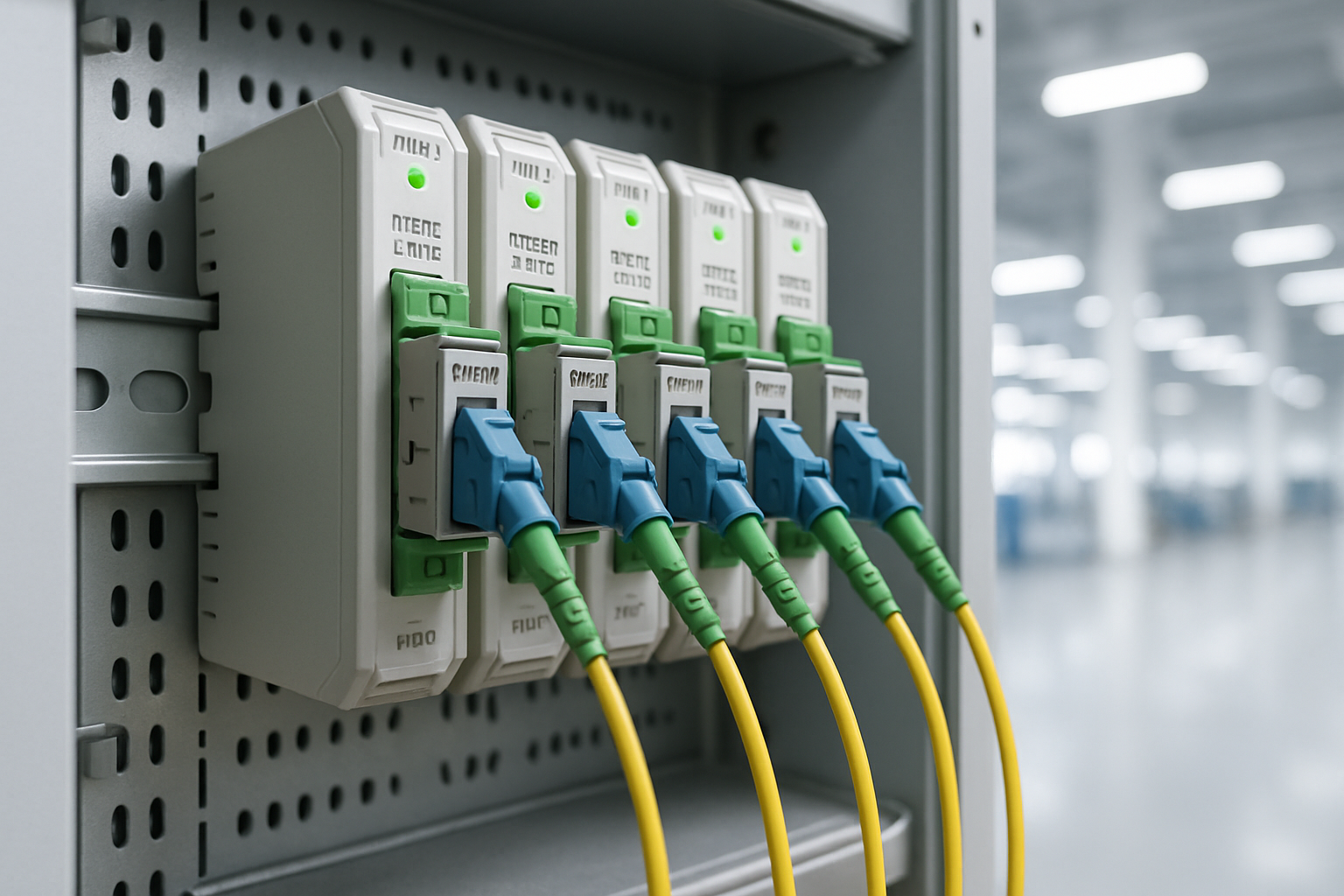
Fiber optics Industry 4.0: Industrial fiber optic networks for networked production facilities
 modular fiber optic systems for networked production facilities” class=”wp-image-4358″ srcset=”https://fiber-products.com/wp-content/uploads/2025/03/u1995323279_Modern_Industry_4.0_manufacturing_facility_with_f_aa92fb44-2642-449c-8e0b-a088199dd4fb_0-1024×512.png 1024w, https://fiber-products.com/wp-content/uploads/2025/03/u1995323279_Modern_Industry_4.0_manufacturing_facility_with_f_aa92fb44-2642-449c-8e0b-a088199dd4fb_0-300×150.png 300w, https://fiber-products.com/wp-content/uploads/2025/03/u1995323279_Modern_Industry_4.0_manufacturing_facility_with_f_aa92fb44-2642-449c-8e0b-a088199dd4fb_0-768×384.png 768w, https://fiber-products.com/wp-content/uploads/2025/03/u1995323279_Modern_Industry_4.0_manufacturing_facility_with_f_aa92fb44-2642-449c-8e0b-a088199dd4fb_0-600×300.png 600w, https://fiber-products.com/wp-content/uploads/2025/03/u1995323279_Modern_Industry_4.0_manufacturing_facility_with_f_aa92fb44-2642-449c-8e0b-a088199dd4fb_0.png 1536w” sizes=”auto, (max-width: 1024px) 100vw, 1024px” />
In the fourth industrial revolution – fibre optic Industry 4.0 – the focus is on the comprehensive digitalization and networking of production processes. The increasing integration of sensor technology, machine control and quality assurance systems requires a high-performance, reliable network infrastructure. Industrial fiber optic networks have established themselves as the backbone of modern industrial automation. In this article, we shed light on why fibre optic technology is the optimal technology for Industry 4.0 and how it is revolutionizing the networking of production facilities and quality assurance systems.
The special requirements of Industry 4.0 for network infrastructures
Fibre optic Industry 4.0 is characterized by networked systems and enormous amounts of data. Production plants, sensors, control systems and quality assurance components communicate continuously with each other, generating a constant stream of data that needs to be processed in real time. This development places specific demands on the underlying network infrastructure:
1. interference immunity in industrial environments
Production halls and manufacturing environments are characterized by challenging conditions for communication technologies:
- Strong electromagnetic fields from motors and welding systems
- Mechanical loads due to vibrations
- Extreme temperature fluctuations (-40°C to +85°C)
- Dust, moisture and aggressive media
- Oils and chemical vapors
Conventional copper cabling is particularly susceptible to EMC (electromagnetic compatibility) interference in such environments, which can lead to data loss or complete disconnections. In critical production processes, such disruptions can cause considerable costs – a standstill on an automotive production line, for example, costs up to 50,000 euros per minute.
2. real-time capability and low latency
Modern production processes in industrial fiber optic networks require near real-time communication. Especially for:
- Synchronized robot movements in production cells
- Image processing systems for quality control
- Safety-relevant switch-off mechanisms (safety functions)
- Precise control processes for high-speed applications
- CNC machines with multi-axis control
Latencies in the sub-millisecond range are required here to ensure smooth production. Delays of just a few milliseconds can lead to quality problems or safety risks in high-precision manufacturing processes.
3. high bandwidth for data-intensive applications
Data volumes in modern fiber optic Industry 4.0 environments are growing exponentially:
- High-resolution image capture systems generate several gigabytes per minute
- 8K cameras for surface inspection at 120 fps
- 3D scans for quality assurance require high transfer rates
- Predictive maintenance with continuous sensor monitoring (IoT)
- Digital twins with real-time visualization
- AI-based process optimization with machine learning
- Augmented reality for maintenance and training
These applications require bandwidths of 10 Gbit/s and more per application, which quickly push conventional copper solutions to their limits.
4. scalability and future-proofing
Industrial fiber optic networks must be able to grow in line with increasing requirements:
- Expansion of production lines
- Integration of new technologies (5G, edge computing)
- Increasing data rates through improved sensor technology
- Flexibility for retrofitting and modernization
- Compatibility with future standards
A future-proof infrastructure should be able to go at least 10-15 years without fundamental modernization.
Fiber optics as the ideal solution for industrial communication requirements
Fiber optic Industry 4.0 technology offers key benefits that make it the optimal choice for modern manufacturing environments:
Immunity to electromagnetic interference
Since optical fibers use light instead of electrical signals for data transmission, they are completely immune to electromagnetic interference. This makes them ideal for use alongside:
- High-performance motors and servo drives
- Welding systems and plasma cutters
- Frequency converters and power electronics
- Induction furnaces and high-frequency generators
- X-ray equipment and testing systems
Practical example: An automotive supplier reported that after switching from copper to industrial fiber optic networks in a welding line, downtimes due to communication problems were reduced by 97%. Productivity increased by 12%, which corresponds to an annual cost saving of 240,000 euros.
Highest data rates over long distances
Modern fiber optic Industry 4.0 systems can transmit data rates of several terabits per second over distances of several kilometers without the need for signal amplifiers. This makes it possible:
- Centralized control of distributed production facilities
- Campus-wide networking of several production halls
- Integration of storage systems and logistics
- Connection of development and quality laboratories
Practical example: In a large production hall of a mechanical engineering company, the use of single-mode optical fibers made it possible to implement a continuous 100 Gigabit connection over the entire production chain of more than 1,200 meters – without signal amplification or loss of quality.
Low latency for real-time applications
The speed of light in industrial fiber optic networks enables extremely short signal propagation times. This is crucial for:
- Synchronized robot movements with microsecond precision
- Fast response times for safety systems (<1ms)
- Precise control processes for high-speed applications
- Coordinated multi-axis machining
Practical example: By implementing a fiber optic Industry 4.0 system, a manufacturer of food packaging was able to reduce the response time of its quality assurance cameras from 12 ms to less than 0.8 ms, which reduced rejects by 47% at a production speed of 300 units per minute.
Robustness and durability
Modern industrial-grade fiber optic cables are specially designed for demanding environments:
- Reinforced outer sheaths for mechanical protection
- Extended temperature resistance (-40°C to +85°C)
- Resistant to oils, chemicals and UV radiation
- Higher tensile strength than conventional glass fibers (up to 1000N)
- Rodent protection against rodent bites
- Fire protection classes according to EN 13501
These properties make them ideal for long-term use in harsh industrial environments and reduce maintenance costs by up to 75% compared to copper solutions.
Security and protection against eavesdropping
Industrial fiber optic networks offer inherent security advantages:
- Physical protection against eavesdropping through fiber optics
- No electromagnetic emissions
- Intrusion detection through attenuation monitoring
- Encryption possible at physical level
This is particularly important for sensitive production data and Industry 4.0 applications with critical information.
Practical implementation: fiber optic infrastructure for Industry 4.0
The successful implementation of a fiber optic Industry 4.0 infrastructure requires careful planning and the right components.
Industrial-grade fiber optic components
Industrial fiber optic networks require special components that meet the special requirements:
1. top hat rail boxes for control cabinets
DIN rail boxes enable the seamless integration of fiber optic cabling into existing industrial control cabinets. They offer:
- Standardized mounting on 35mm DIN rails according to EN 60715
- Compact design for confined spaces (only 7 HP wide)
- Robust construction for industrial environments (IP20 protection class)
- Flexible configuration options for 1-8 fibers
- Quick installation without special tools
- Optimized fibre guidance with defined bending radii
Extended application possibilities:
- Integration in robot control systems
- Connection of CNC machines
- Networking of PLC systems
- Connection of vision systems
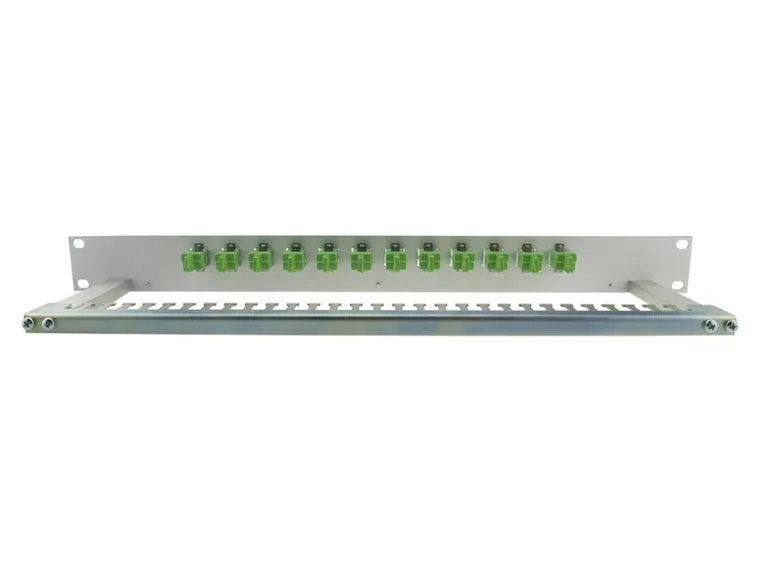
One example is the integration of several top-hat rail boxes with E2000 connectors in the control cabinets of a fully automated production line, which enables a reliable fiber optic connection of all system components with a minimum connector height.
2nd E2000™ connector for maximum reliability
Especially in demanding fiber optic Industry 4.0 environments, E2000™ connectors have established themselves as the optimal solution:
- Automatic dust protection flap prevents contamination and laser beam leakage
- Robust locking mechanism for vibration-proof hold
- Compact design for high packing density
- Excellent optical properties with low insertion loss (<0.15 dB)
- Laser safety function according to IEC 60825
- Over 1000 mating cycles Service life
The automatic dust protection flap is a decisive advantage over other connector types, especially in dusty production environments, as it prevents contamination of the sensitive fiber end faces.
3. industrial-grade patch cables and components
Components specially developed for industrial fiber optic networks:
Reinforced patch cables:
- Strain relief up to 1000N at the plug transitions
- Robust, resistant sheathing (LSZH material)
- Increased resistance to oils, solvents and UV radiation
- Bend-insensitive fibers for compact installation
- Temperature range from -40°C to +85°C
Modular splicing systems:
- Splice modules for distribution points
- Splice boxes for central nodes
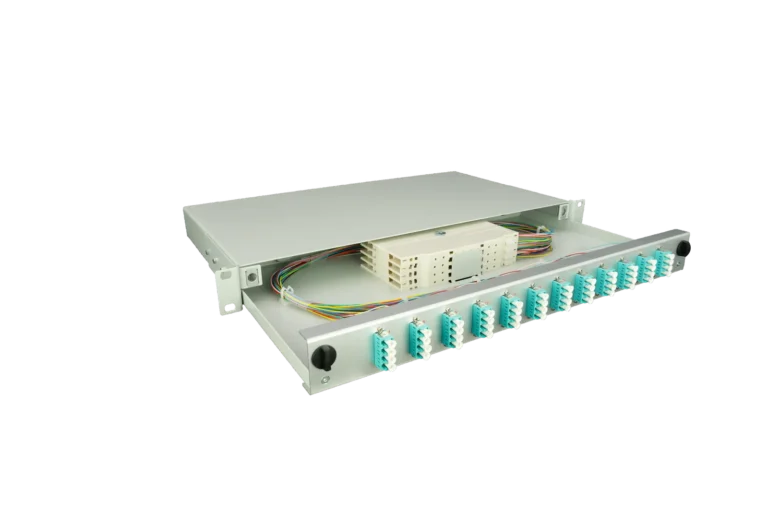
- Pull-out cassettes for easy maintenance
- IP65 protection class for harsh environments
Network topologies for industrial applications
Fiber optic Industry 4.0 networks can be implemented in various topologies:
Star topology
- Central connection of all endpoints
- Simple management and fault diagnosis
- High availability due to short downtimes
- Ideal for data centers and central control
Ring topology
- Redundant connection paths for maximum reliability
- Automatic switchover in the event of line faults (<50ms)
- Deterministic latency times for real-time applications
- Ideal for critical production lines
Mesh topology
- Fully meshed networking for maximum flexibility
- Optimum load distribution
- Maximum reliability
- Scalable for growing requirements
Practical example: Networking a smart factory
A leading automotive manufacturer implemented a comprehensive fiber optic Industry 4.0 infrastructure in its new plant. The challenges:
Technical requirements:
- 156 robot stations with precise synchronization
- 48 high-resolution 8K cameras for quality control
- 32 Laser scanners for 3D measurement
- 12 autonomous transportation systems (AGV)
- Total area: 45,000 m² on 3 floors
- Environment with extreme EMC loads
Implemented solution:
- Redundant ring network with 100 Gbit/s backbone
- VarioConnect 3U/4U systems as central distribution points
- DIN rail boxes with E2000™ connectors in all enclosures
- Armored single-mode cabling with LSZH jacket
- Edge computing node for local AI processing
Results after 24 months of operation:
- Data rates of 40 Gbit/s per production line
- Latency times below 0.5 ms for safety functions
- 99.97% availability of the communication infrastructure
- 0 Failures due to EMC problems
- 38% reduction in quality defects
- 15% increase in Overall Equipment Effectiveness (OEE)
- ROI of 340% within 2 years
Integration of quality assurance systems via fiber optic networks
A particularly demanding area within industrial fiber optic networks is quality assurance, which is increasingly automated and takes place in real time.
Modern quality assurance systems
Next generation image processing systems
High-resolution cameras inspect products for optical defects, correct assembly or precise dimensions. The enormous data volumes of modern image sensors require:
8K cameras (7680×4320 pixels):
- Data rates of up to 24 Gbit/s at 60 fps
- Color depth of 16 bits per channel
- Raw data volume of 2.5 GB per second
Hyperspectral imaging:
- Spectral resolution from 400-1000 nm
- Up to 1000 spectral channels
- Data rates of 50+ Gbit/s
3D stereo vision systems:
- Multiple synchronized cameras
- Sub-millimeter accuracy
- Real-time processing with <1ms latency
Fiber optic Industry 4.0 technology enables the direct connection of these systems without compromising on bandwidth or quality.
Laser measurement systems and LiDAR scanners
Laser measurement systems and LiDAR scanners are used for the precise three-dimensional detection of objects:
High-precision LiDAR:
- Resolution up to 0.1 mm
- Measuring rate of 2 million points/second
- Raw data rate of 8 Gbit/s per scanner
Confocal sensors:
- Nanometer accuracy
- High-frequency scanning (100 kHz)
- Continuous data streams
Multi-sensor fusion:
- Combination of different measuring principles
- Synchronization at nanosecond level
- Data correlation in real time
The high bandwidth and low latency of industrial fiber optic networks make it possible to integrate these data-intensive technologies into the production process.
AI-based predictive quality
State-of-the-art quality assurance systems in fiber optic Industry 4.0 environments go beyond mere fault detection:
Machine learning algorithms:
- Continuous data acquisition from 10,000+ sensors
- Complex analysis algorithms on edge computing systems
- Early detection of deviations before the actual error occurs
- Self-learning systems with continuous improvement
Digital Twin Integration:
- Real-time models of production processes
- Virtual simulation of quality parameters
- Prediction of maintenance requirements
- Optimization of the process parameters
These predictive systems require a high-performance, reliable network infrastructure with deterministic properties.
Practical example: Intelligent quality control in semiconductor production
A semiconductor manufacturer implemented a comprehensive fiber optic Industry 4.0 system for quality control:
Requirements:
- 96 wafer inspection systems with 16K resolution
- Defect detection up to 20 nanometers in size
- Throughput of 300 wafers per hour
- Zero fault tolerance for critical applications
Technical implementation:
- 400 Gbit/s backbone network
- Edge AI processing with 2048 GPU cores per station
- Redundant ring architecture for 99.999% availability
- Deterministic Ethernet with TSN standards
Results:
- Defect detection improved by 89
- Throughput increased by 34
- Rejects reduced by 67
- Production costs reduced by 23
Advanced manufacturing: future technologies in industrial fiber optic networks
5G integration for mobile systems
The integration of 5G technology into industrial fiber optic networks enables:
5G standalone networks:
- Ultra-low latency (<1ms)
- Massive Machine Type Communication (mMTC)
- Enhanced Mobile Broadband (eMBB)
- Network slicing for various applications
Mobile robotics:
- Autonomous mobile robots (AMR)
- Wireless connection with full mobility
- Real-time control without cable connections
- Flexible production layouts
Augmented Reality (AR) applications:
- Maintenance support with AR glasses
- Remote maintenance by experts
- Training and briefings
- Quality assurance with visual support
Edge computing and fog computing
Fiber optic Industry 4.0 infrastructures form the backbone for distributed computing architectures:
Edge computing node:
- Local data processing with <1ms latency
- AI inference directly on the machine
- Reduction of the backbone load by up to 80%
- Data protection through local processing
Fog computing layer:
- Hierarchical data processing
- Intelligent data filtering and aggregation
- Optimized use of resources
- Scalable architecture
Digital Twin and simulation
Industrial fiber optic networks enable the implementation of complex digital twin systems:
Real-time modeling:
- Continuous synchronization between the physical and digital world
- High-frequency sensor data acquisition (>1 MHz)
- Complex simulation models with millions of parameters
- Predictive analytics for maintenance and optimization
Virtual Commissioning:
- Virtual commissioning before physical installation
- Reduction of commissioning time by up to 50%
- Risk-free testing of control logic
- Optimization before first production
Blockchain for Industry 4.0
Fiber optic Industry 4.0 networks support blockchain applications for:
Supply Chain Traceability:
- Seamless tracking of materials and components
- Unchangeable quality documentation
- Automated compliance checks
- Transparent supply chains
Smart contracts:
- Automated quality approvals
- Self-executing maintenance contracts
- Condition-based payments
- Decentralized decision-making
Special areas of application for industrial fiber optic networks
Automotive Manufacturing
Industrial fiber optic networks are particularly critical in the automotive industry:
Car body construction:
- Synchronization of 200+ welding robots
- Precision in the sub-millimeter range
- Quality control at 60 seconds cycle time
- Integration of joining technologies
Paint shop:
- Coordination of spraying robots
- Real-time color mixing and dosing
- Environmental monitoring and control
- Quality assurance of the surface finish
Assembly:
- Flexible assembly lines with AGV systems
- RFID integration for parts tracking
- Automated quality checks
- Just-in-sequence delivery
Pharmaceuticals and Life Sciences
Fiber optic Industry 4.0 systems in the pharmaceutical industry require special compliance:
GMP-compliant systems:
- Validated documentation of all data flows
- 21 CFR Part 11 Compliance
- Audit trail functionality
- Integrity of the transmission
Biotechnology:
- Monitoring bioreactors in real time
- Precise temperature and pH control
- Sterility of the transmission routes
- Batch tracking and documentation
Energy and utilities
Industrial fiber optic networks are used in power plants and utility companies:
Smart Grid Integration:
- Real-time control of energy flows
- Integration of renewable energies
- Demand response management
- Grid balancing and frequency control
Predictive maintenance:
- Continuous monitoring of critical components
- Vibration analysis of turbines
- Thermography integration
- Oil analysis and wear monitoring
Profitability analysis: ROI of fiber optics Industry 4.0
Investment costs vs. savings
Initial investment in industrial fiber optic networks:
- Hardware costs: 15-25% higher than copper solutions
- Installation costs: 10-15% lower due to fewer cables
- Engineering and planning: comparable
- Training and qualification: 20% additional expense
Operational savings over 10 years:
- Maintenance costs: 70-80% lower
- Downtimes: 85-95% reduction
- Energy consumption: 40-50% lower
- Productivity increase: 15-30%
Typical ROI for fiber optic Industry 4.0 projects:
- Break-even: 18-24 months
- 5-year ROI: 250-400%
- 10-year ROI: 450-650%
Cost factors and potential savings
Direct cost savings:
- Reduced downtime due to EMC problems
- Lower maintenance costs for the network infrastructure
- Longer service life of the installation (25+ years)
- Lower energy costs for transmission
Indirect benefits:
- Improved product quality
- Higher production speed
- Flexibility for production changes
- Compliance with Industry 4.0 standards
Norms and standards for industrial fiber optic networks
Relevant industry standards
Fiber optic Industry 4.0 systems must meet various standards:
IEC 61158 – Fieldbus standards:
- Deterministic communication
- Real-time capability
- Safety functions
- Interoperability
IEEE 802.1 TSN (Time-Sensitive Networking):
- Deterministic Ethernet communication
- Guaranteed latency times
- Prioritization of critical data streams
- Synchronization at nanosecond level
IEC 61784 – Profinet and EtherCAT:
- Industrial Ethernet protocols
- Real-time behavior
- Diagnostics and monitoring
- Integration into PLC systems
Safety standards
IEC 61508 – Functional safety:
- Safety Integrity Level (SIL) classification
- Fail-safe behavior
- Redundant transmission paths
- Systematic error control
ISO 13849 – Machine safety:
- Performance Level (PL) Categories
- Safety functions up to PL e
- Mean Time to Dangerous Failure (MTTFd)
- Diagnostic Coverage (DC) requirements
Cybersecurity standards
IEC 62443 – Industrial Cybersecurity:
- Security Level (SL) classification
- Defense in Depth Strategies
- Network Segmentation
- Identity and Access Management
ISO 27001 – Information security:
- Management system for information security
- Risk assessment and treatment
- Continuous improvement
- Compliance and auditing
Planning guidelines for fiber optic Industry 4.0 projects
Analysis and requirements analysis
Phase 1: Inventory
- Recording the current infrastructure
- Analysis of data streams and bandwidth requirements
- Identification of critical applications
- EMC analysis of the environment
Phase 2: Planning for the future
- Project planning for 10-15 years of operation
- Consideration of planned expansions
- Integration of new technologies (5G, IoT, AI)
- Scalability requirements
Phase 3: Network design
- Topology selection (star, ring, mesh)
- Redundancy concepts for critical paths
- Segmentation for security and performance
- Quality of Service (QoS) planning
Implementation strategy
Pilot project approach:
- Start with critical production lines
- Proof of concept for industrial fiber optic networks
- Measurement of performance improvements
- Scaling to other areas
Parallel operation:
- Gradual migration of existing systems
- Minimization of production interruptions
- Fallback scenarios for critical processes
- Systematic validation of the functions
Change management:
- Training of the operating team
- Documentation of the new processes
- Establishment of new maintenance routines
- Continuous optimization
Best practices for installation
Cable routing and protection:
- Separate routes for fiber optic and power cables
- Mechanical protection in hazardous areas
- Bending radius-compliant installation
- Strain relief at all connection points
Plug connections:
- Use of industrial-grade connectors
- Regular cleaning of the connectors
- Closing unused ports
- Documentation of all connections
Measurements and validation:
- Attenuation measurement of all connections
- OTDR test for fault analysis
- Return loss measurement
- Documentation of the measurement results
Troubleshooting and maintenance of industrial fiber optic networks
Preventive maintenance
Fiber optic Industry 4.0 systems require regular maintenance:
Quarterly inspections:
- Visual check of all plug connections
- Cleaning the connectors
- Checking the cable fixings
- Checking the environmental parameters
Annual measurements:
- Complete attenuation measurement of the network
- OTDR analysis for early fault detection
- Performance monitoring of the active components
- Update of the network documentation
Condition Monitoring:
- Continuous monitoring of the signal quality
- Automatic alarm in the event of deterioration
- Trend analysis for predictive maintenance
- Integration into CMMS systems
Typical problems and solutions
Signal loss:
- Cleaning dirty plug connectors
- Correcting bending radius injuries
- Locate damaged fibers using OTDR
- Check splice connections
Intermittent disorders:
- Tighten loose plug connections
- Compensate for temperature fluctuations
- Reduce vibration load through additional fixation
- Avoid EMC interference through better shielding
Performance problems:
- Check network segmentation
- Optimize QoS configuration
- Identify bandwidth bottlenecks
- Carry out latency measurements
Remote monitoring and diagnostics
Intelligent monitoring systems:
- Continuous signal quality measurement
- Automatic fault detection and localization
- Remote diagnosis by service technician
- Integration into higher-level management systems
Predictive analytics:
- Machine learning for error prediction
- Trend analysis of network performance
- Optimized maintenance intervals
- Reduced unplanned downtime
Future prospects: The evolution of fiber optics Industry 4.0
Emerging Technologies
Coherent optics for industrial applications:
- 400 Gbit/s and 800 Gbit/s transfer rates
- Extended ranges without amplifier
- Adaptive modulation for variable conditions
- Software-defined networking (SDN) integration
Quantum communication:
- Tap-proof data transmission
- Quantum Key Distribution (QKD)
- Ultra-secure industrial communication
- Integration into critical infrastructures
Photonic Computing:
- Optical signal processing
- Ultra-low latency due to the speed of light
- Energy-efficient data processing
- Integration of AI algorithms in optical hardware
New fields of application
Autonomous Manufacturing:
- Fully autonomous production lines
- AI-controlled process optimization
- Self-organizing production systems
- Adaptive quality assurance
Human-Machine Collaboration:
- Cooperative robots (cobots) with fiber optic connection
- Biometric monitoring of workers
- Augmented reality for intuitive operation
- Haptic feedback via fiber optic networks
Sustainable Manufacturing:
- Energy-optimized production processes
- Circular economy through tracking and tracing
- CO2 footprint monitoring in real time
- Resource optimization through AI
Technological roadmap until 2030
2025-2026: Enhanced Connectivity
- 100 Gbit/s standard for industrial fiber optic networks
- TSN integration in all industrial protocols
- 5G standalone available nationwide
- Edge AI in every production node
2027-2028: Intelligent Networks
- Self-healing network topologies
- Automatic resource allocation
- Intent-based networking for industry
- Quantum-safe encryption
2029-2030: Autonomous Operations
- Fully autonomous network management
- AI-controlled production optimization
- Zero-touch provisioning
- Holistic cyber-physical systems
Integration with existing systems
Legacy system integration
Brownfield approaches for fiber optic Industry 4.0:
- Step-by-step migration without production downtime
- Gateway solutions for old protocols
- Parallel operation of old and new systems
- Fallback scenarios for critical processes
Protocol converter:
- Serial interfaces to Ethernet
- Fieldbus gateways (Profibus, DeviceNet)
- Wireless-to-Fiber bridges
- Legacy SCADA integration
ERP and MES integration
Vertical integration:
- Seamless data flows from sensor to ERP
- Real-time Manufacturing Execution
- Automatic production planning
- Integrated quality documentation
Horizontal integration:
- Supply chain networking
- Supplier integration
- Customer Integration
- Partner ecosystems
Sustainability and environmental aspects
Green manufacturing with fiber optics Industry 4.0
Energy efficiency:
- 40-60% lower energy consumption vs. copper
- Passive optical components without power consumption
- Optimized cooling requirements
- Longer service life reduces resource consumption
Environmental compatibility:
- Recyclable glass fiber materials
- No electromagnetic emissions
- Reduced cable volumes due to higher data rates
- LSZH materials for better air quality
Circular Economy:
- Reuse of glass fiber components
- Modular systems for flexible use
- Refurbishment of active components
- Sustainable disposal concepts
Carbon footprint reduction
Production optimization:
- Reduced reject rates thanks to better quality control
- Energy-optimized production processes
- Predictive maintenance reduces wear
- Optimized use of resources
Lifecycle Assessment:
- Overall assessment of the environmental impact
- CO2 balance over 20+ years of operation
- Comparison with alternative technologies
- Continuous improvement of sustainability
Conclusion: fiber optics Industry 4.0 as a pioneer of the future
The networking of production facilities and quality assurance systems in fiber optic Industry 4.0 places the highest demands on the communication infrastructure. Industrial fiber optic networks with their decisive advantages – freedom from interference, high bandwidth, low latency and robustness – have established themselves as the optimal solution for these challenges.
Strategic success factors
Technical excellence:
- Use of proven components such as top-hat rail boxes and E2000™ connectors
- Modular systems for maximum flexibility
- Redundant architectures for maximum availability
- Future-proof bandwidth reserves
Economic optimization:
- Lifecycle-oriented investment decisions
- ROI optimization through a holistic approach
- Scalable solutions for growing requirements
- Total cost of ownership minimization
Organizational transformation:
- Change management for new technologies
- Qualification of employees
- Establishment of new processes
- Continuous optimization
Industrial companies that invest in a future-proof fiber optic Industry 4.0 infrastructure are laying the foundations for their digital transformation. The right choice of industrial-grade components ensures reliable operation even under the most demanding conditions.
Outlook for the industrial future
The future of industrial manufacturing will be characterized by:
- Ever closer networking of all production components
- Higher data rates for more complex applications
- More intelligent control systems with AI integration
- More flexible production concepts for batch size 1
- Sustainable manufacturing processes
A well thought-out industrial fiber optic network infrastructure is the key to not only meeting these developments, but actively using them to gain a competitive edge.
Your partner for industrial fiber optic solutions
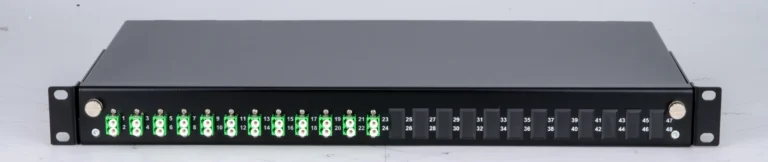
At Fiber Products, we understand the complex requirements of fiber optics Industry 4.0. Our modular fiber optic solutions for industry are specially developed for use in demanding production environments. From robust splice modules and precise ODF systems to specialized components for system integrators – we offer the complete range of industrial-grade fiber optic technology.
Our experience with installers, system houses and network operators flows into every solution. We offer specialized solutions for data centers and smart city applications that also deliver maximum performance in industrial environments.
At Fiber Products, we develop fiber optic components to meet the highest quality standards. Our modular systems combine proven technology with innovative features. With a 5-year guarantee and European production to German quality standards, we offer competitive prices and premium quality for professional industrial fiber optic networks.
Discover our complete product range or visit our online store. Talk to us – together we will develop the optimal fiber optic Industry 4.0 solution for your project. Contact us for an individual consultation or find out more about other specialist topics in our fiber optic knowledge blog.