FTTH project management: Professional methods for successful fiber optic expansion projects

Successful FTTH expansion requires professional FTTH project management that goes far beyond traditional construction projects. From initial network planning to final commissioning, complex technical, regulatory and economic aspects must be coordinated. Modern project management approaches integrate proven PM methods with fiber optic-specific requirements for optimal project results.
This comprehensive guide shows proven project management methods for fiber optic projects and helps telecommunications providers and municipal utilities to successfully implement their FTTH projects. Systematic project coordination reduces risks, optimizes costs and ensures on-time completion of complex fibre optic infrastructure projects.
The special features of FTTH project management differ fundamentally from conventional infrastructure projects. The combination of civil engineering, high-frequency technology and telecommunications regulation requires specialized coordination skills. Successful FTTH projects are characterized by structured phase planning, precise resource coordination and continuous risk management.
The special features of fiber optic project management
Fiber expansion projects require specialized project management skills far beyond traditional construction management approaches. The integration of civil engineering, fiber optic installation, splicing and network technology into fiber optic solutions for telecommunications providers poses unique challenges for project coordination and control.
Mastering technical complexity is a core competence of successful fiber optic projects. Modern FTTH expansion projects integrate various technologies from passive fiber optic components to active network elements. Project managers must understand and coordinate both the physical aspects of fiber optic installation and the electronic systems of network technology.
Stakeholder management in FTTH projects involves numerous players – from landowners to civil engineering companies and regulatory authorities. Effective stakeholder management prevents delays and cost increases through systematic communication and coordination of all parties involved.
Critical success factors in fiber optic projects
Regulatory compliance requires continuous monitoring and documentation of telecommunications regulations, building regulations and environmental requirements. Professional project coordination integrates compliance management from the start of the project and prevents costly delays due to approval problems.
Quality assurance and control ensure long-term network performance and minimize maintenance costs. Systematic quality processes for all project phases, from component procurement to final acceptance, implement proven QA methods.
Resource management coordinates specialized professionals, equipment and materials for optimal project execution. Successful project teams balance availability, quality and costs through strategic planning and flexible resource allocation.
Phase 1: Strategic project planning and feasibility in FTTH project management
Market analysis and needs assessment form the foundation of successful fiber optic projects. Project initiation begins with a comprehensive market analysis that systematically evaluates customer potential, the competitive situation and technical conditions. This analysis determines the economic viability and technical feasibility of the planned fiber optic expansion.
Business case development for FTTH project management precisely defines investment volumes, expected returns and amortization periods. Realistic FTTH projects calculate with payback periods of 10-15 years and consider various penetration scenarios for fiber optic solutions for public utilities and municipal providers.
Technical feasibility study includes route planning, building connection and network architecture as the basis for precise project planning. Modern planning tools and GIS systems support precise cost estimates and realistic scheduling for complex fiber optic infrastructure projects.
Project structure planning and milestone definition in FTTH project management
Work Breakdown Structure (WBS) for fiber optic projects typically follows the principle of geographical and technical segmentation. Main work packages include network planning, civil engineering, fiber installation, splicing and commissioning with clear responsibilities and dependencies.
Critical path and dependency management reveals complex interdependencies between civil engineering, fiber optic installation and network configuration. The Critical Path Method (CPM) in project management identifies time-critical activities and optimizes project duration through intelligent resource allocation.
Milestone framework for systematic project management defines measurable interim targets: M1 – Permits and contracts completed, M2 – Civil engineering and empty conduit system completed, M3 – Fiber optic installation and splicing work completed, M4 – Active components installed and configured, M5 – Network in operation and first customers connected.
Phase 2: Detailed planning and resource management
Network design and route planning require specialized skills for optimal technical solutions. The detailed technical planning defines the exact network architecture and routing. Modern FTTH projects use PON technologies with centralized splitter structures and an optimal splitter hierarchy.
Fiber optic cable types and dimensioning have a significant impact on both investment costs and long-term performance. Professional project teams dimension reserves for future capacity expansions and choose between cable constructions (loose tube, ribbon) according to specific project requirements — FTTH networks use single-mode fiber exclusively, with G.652.D for feeder and distribution cables and bend-insensitive G.657.A1/A2 for drop and in-house cabling.
Splice point planning optimizes both installation effort and ease of maintenance through strategic positioning of splice points and distributors. High-quality splice boxes and professional joints ensure long-term network stability and minimize maintenance costs.
Procurement management and supplier selection in FTTH project management
Sourcing passive components for an FTTH project?
Request project pricing and delivery schedules for splice boxes, 7TE modules and ODF systems — one supplier, 5-year warranty.
Strategic procurement requires coordinated procurement of fiber optic cables, passive components, splicing equipment and active network elements. Long-term supply contracts ensure availability and stable prices in volatile markets for fiber optic components.
Quality management determines long-term network performance through careful supplier selection. The quality of fiber optic components has a direct impact on performance and maintenance requirements. Certified suppliers and stringent incoming inspections prevent costly rework on modular 1U systems.
Splicing service provider management is critical to the success of high-quality fiber optic projects. The selection of qualified splicing teams with certified technicians, modern splicing equipment and documented quality processes ensures professional fibre optic connections and minimizes the risk of failure.
Phase 3: Realization and construction
Civil engineering and infrastructure construction require specialized coordination in fiber optic projects. Construction site coordination reduces costs and citizen burden by synchronizing fiber optic installation with other infrastructure measures. Smart utilities coordinate fiber optic installation with electricity, gas and water line projects for optimal efficiency.
Empty conduit systems enable subsequent fibre optic installation without the need for new civil engineering work and optimize long-term flexibility. Professional project teams specify high-quality HDPE conduits with pull wires that significantly speed up cable installation and minimize installation risks.
Documentation and surveying are essential for maintenance and expansion and require systematic integration into project processes. Modern GIS systems record all relevant geodata and technical specifications for customized fibre optic projects.
Fiber optic installation and splicing work
Cable installation requires specialized techniques and equipment as well as experienced teams. Professional fiber optic installation uses tension monitoring and minimum bend radius control to prevent damage to sensitive fibers and ensure long-term performance.
Splicing technology and quality assurance use high-quality fusion splicing equipment and experienced technicians for low attenuation values and long-term connection stability. Systematic documentation records every splice with measurement results and quality certificates for complete traceability.
Measurement technology integration with OTDR measurements (Optical Time Domain Reflectometer) verifies fiber optic connection quality before commissioning. Systematic measurements identify problems at an early stage and prevent costly rework after project completion.
Phase 4: Integration and commissioning
Active network components and configuration are the final stage of successful fiber optic projects. OLT (Optical Line Terminals) installation as the heart of PON networks requires professional installation and configuration for optimum performance and maximum availability of critical network infrastructure.
Network management systems enable proactive monitoring and efficient troubleshooting through modern NMS solutions. The integration of different network elements requires standardized interfaces and protocols for fibre optic solutions for network operators.
Service activation through automation significantly reduces provisioning times and operational costs. Systematic implementation of self-service portals enables customers to make bookings and configurations independently and optimizes operating costs.
Testing and acceptance in FTTH project management
End-to-end tests verify the performance of the entire fiber optic network through comprehensive functional tests. Bandwidth tests, latency measurements and availability checks ensure service quality and customer satisfaction right from the start of the project.
Documentation and handover include complete project documentation with network plans, measurement logs, configuration data and maintenance instructions. Structured handover processes ensure smooth operational takeover and optimum maintenance efficiency.
Quality assurance through systematic acceptance tests validates all project deliverables against defined quality criteria. Professional project management documents compliance and performance parameters for long-term reference and warranty processing.
Risk management in fiber optic projects
Typical project risks and mitigation require a proactive approach. Approval risks due to delays in building permits and official approvals can significantly delay projects. Early application and continuous communication with authorities minimize these critical risks.
Technical risks such as unforeseen geological conditions or contaminated sites can drastically increase civil engineering costs. Systematic project management implements geological preliminary investigations and risk buffers in the calculation as standard risk minimization in FTTH project management.
Supply chain risks due to bottlenecks in fiber optic cables or network components can completely block projects. Professional coordination establishes a diversified supplier base and strategic warehousing to reduce critical procurement risks.
Personnel risks and capacity management
Personnel risks due to a shortage of skilled splice technicians and network specialists pose a significant threat to project schedules. Strategic planning implements early workforce planning and training programs to secure available qualified teams.
Quality assurance and controlling through relevant KPIs include splice quality (attenuation values), installation speed (connections/day) and customer satisfaction. Regular monitoring enables timely corrections and continuous optimization.
Change management for changes in project scope or technical specifications requires structured evaluation and approval processes. Documented change requests prevent uncontrolled scope creep and budget overruns.
FTTH project management tools and software
Specialized FTTH project management software optimizes the planning and implementation of complex fibre optic projects. GIS-based planning tools integrate geodata, network topology and cost models for optimized route planning and support systematic variant comparisons.
Documentation systems for professional cable and system documentation are indispensable for maintenance and troubleshooting. Cloud-based systems enable mobile access for service technicians and integrate seamlessly into project management workflows.
FTTH project management platforms coordinate all project activities from planning to billing using integrated PM software. Automated workflows accelerate approval processes and optimize reporting for fiber optic solutions for system houses.
Communication and stakeholder management
Citizen communication reduces complaints and creates acceptance through transparent information about construction measures and schedules. Digital communication channels enable prompt updates and proactive stakeholder information.
Communication with authorities speeds up approval procedures through structured communication with relevant authorities. Standardized application documents and regular coordination prevent delays and misunderstandings.
Supplier coordination optimizes procurement and logistics through systematic communication with suppliers. Integrated communication platforms ensure on-time deliveries and quality standards.
Economic optimization of FTTH project management
Cost management and budget control are based on precise cost estimates with realistic quantity structures and current market prices. Continuous controlling identifies deviations at an early stage and enables timely countermeasures to be taken.
Value engineering through systematic optimization of components and processes reduces project costs without sacrificing quality. Alternative technologies and suppliers offer considerable savings potential while maintaining the same performance.
Funding optimization through strategic use of available funding programs can significantly reduce equity requirements. Professional application and compliance management maximize available funding volumes.
Scaling and standardization in FTTH project management
Modular project approaches enable step-by-step implementation according to available resources through standardized expansion stages. Modular network architectures facilitate future expansions and optimize investment efficiency.
Best practice transfer accelerates follow-up projects by systematically transferring experience and optimizations from completed projects. Standardized processes and templates significantly reduce planning effort and the risk of errors.
Economies of scale by bundling several projects optimize procurement conditions and resource efficiency. Strategic coordination of project portfolios enables maximum synergy effects and cost optimization.
Future trends in FTTH project management
Digitalization and automation are revolutionizing traditional project management approaches with innovative technologies. AI-supported planning uses machine learning algorithms to optimize route planning and resource allocation. Predictive analytics proactively identify risks and optimization potential.
Drone-based monitoring accelerates progress control and quality checks through automated inspections. Automated image analysis precisely identifies problems and significantly reduces manual inspection work.
IoT integration provides real-time data on construction progress and quality through sensor-based construction site monitoring. Smart contracts automate payment processes when milestones are reached and optimize cash flow management.
Sustainability and environmental aspects
Green building reduces the CO2 footprint of FTTH projects through environmentally friendly construction methods and recyclable materials. Sustainable fiber optic projects support climate goals and corporate social responsibility initiatives.
Circular economy reduces resource consumption by reusing empty conduits and recycling old copper cables. Sustainable engineering is becoming increasingly relevant for fiber optic solutions for educational institutions and public clients.
Lifecycle assessment evaluates environmental impacts over the entire project life cycle. Environmentally optimized project management takes into account material selection, transport logistics and end-of-life scenarios for sustainable infrastructure development.
Measuring success and lessons learned
KPI framework for FTTH project management defines project-specific key figures to objectively measure success. On-time delivery rate (% of milestones completed on time), budget adherence (deviation from planned costs), quality index (average splice attenuation) and customer satisfaction (NPS score at commissioning) are core metrics.
Operational metrics include installation speed (connections per day), first-time-right rate (error-free installations), MTTR (mean time to repair in the event of faults) and penetration rate (connection density after 12 months). These KPIs continuously optimize operational processes.
Post-implementation review through systematic project evaluation identifies improvement potential for follow-up projects. Lessons learned databases document best practices and avoidable mistakes for organizational learning.
Continuous improvement
Continuous improvement through iterative optimization of processes and methods increases the efficiency of subsequent FTTH projects. Agile approaches enable flexible adaptation to changing requirements and framework conditions.
Benchmarking against industry best practices identifies optimization potential through comparison with leading FTTH projects. External benchmarking broadens internal perspectives and accelerates innovation adoption.
Knowledge management systematically preserves and transfers project experience. Structured knowledge databases ensure the availability of critical know-how even in the event of personnel changes.
Recommendations for successful FTTH project management
Investment in FTTH project management expertise by qualified PM specialists with telecommunications know-how is critical to the success of complex FTTH projects. Specialized certifications and continuous training optimize project success in the long term.
Early stakeholder involvement through systematic communication with all parties involved prevents conflicts and delays. Proactive stakeholder management identifies the interests and requirements of all relevant groups at an early stage.
Professional tool landscape for planning, documentation and controlling optimizes project implementation through modern software support. Integrated platforms significantly increase efficiency and transparency.
Quality focus and risk management in FTTH project management
Focus on quality by investing in high-quality components and splicing technology pays off in the long term through reduced maintenance costs and higher customer satisfaction. Premium quality minimizes lifetime costs and maximizes ROI.
Risk management through proactive identification and mitigation of project risks prevents costly surprises. Systematic risk analysis develops contingency plans for critical risk scenarios.
Continuous optimization through systematic learning from completed projects improves future project results. Structured retrospectives identify potential for improvement and best practices.
Professional FTTH project management with Fiber Products
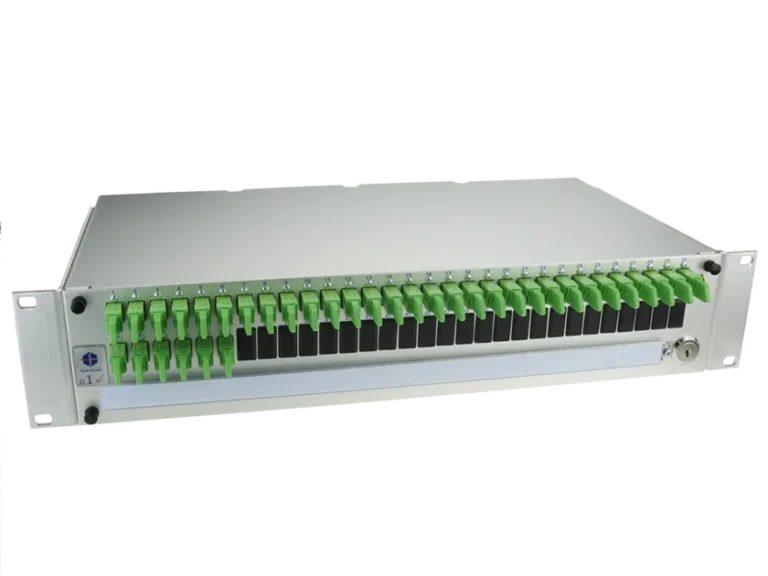
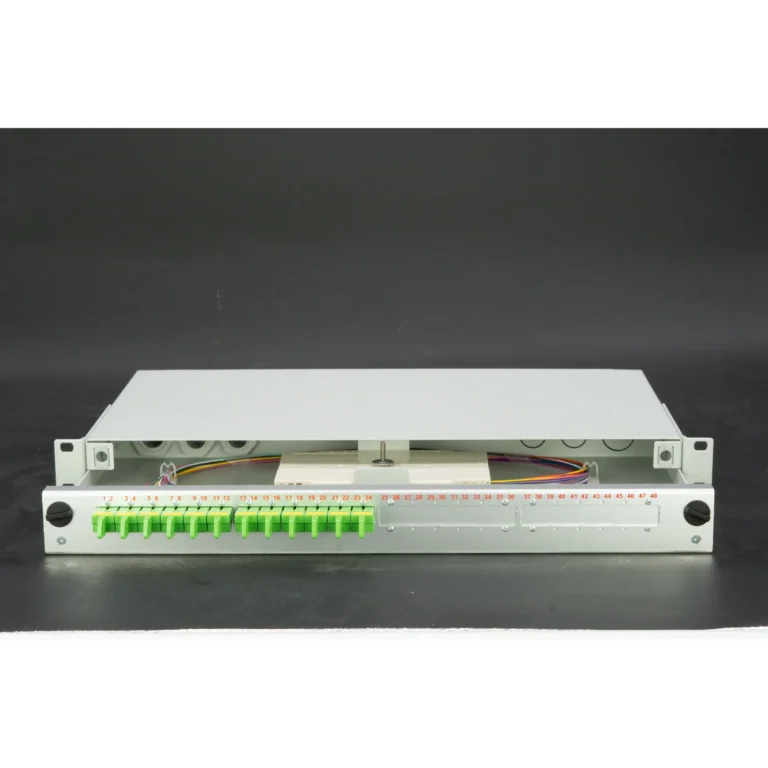
At Fiber Products, we develop modular fiber optic solutions for systematic project management and optimum construction site efficiency. Our 3U/4U ODF system VarioConnect solutions support structured FTTH expansion projects with optimized splice cassettes, systematic fibre routing and maintenance-friendly designs.
Systematic project coordination requires reliable passive components that guarantee long-term performance and minimize maintenance costs. Our fiber optic components are specially developed for professional expansion projects and support on-time, on-budget project implementation.
Modern splice modules optimize installation speed and quality assurance in FTTH projects. Tool-free handling and systematic fibre organization speed up splicing work and significantly reduce the risk of errors.
With a 5-year guarantee and European production to German quality standards, we offer optimum value for money for professional FTTH infrastructures. Discover our complete product range on Fiber Products or visit our online store for all products.
Talk to us – together we will develop the optimum solution for your FTTH project management. Contact us for an individual consultation or find out about other specialist topics on professional project management in our fiber optic knowledge blog.
Further resources for FTTH rollout
- Fiber optic solutions for municipal utilities (FTTH rollout in the DACH market)
- Fiber optic solutions for telecommunication providers (high-density splicing systems)
- Fiber optic solutions for network operators (scalable modular expansion)
Request a Consultation
Our experts will advise you on modular fiber optic solutions for your specific application — fast, personal and non-binding.