Channel partner fiber optics: Modular fiber optic systems as a competitive differentiator for maximum success

The channel partner as a strategic success factor
In an increasingly saturated fiber optic market, the role of the channel partner is becoming ever more important for sustainable business success. System houses that position themselves as competent channel partners for fiber optic solutions not only create added value for their customers, but also sustainable competitive advantages for their own business. The key lies in the intelligent selection of technology partners and product portfolios that enable true modular fiber optic differentiation.
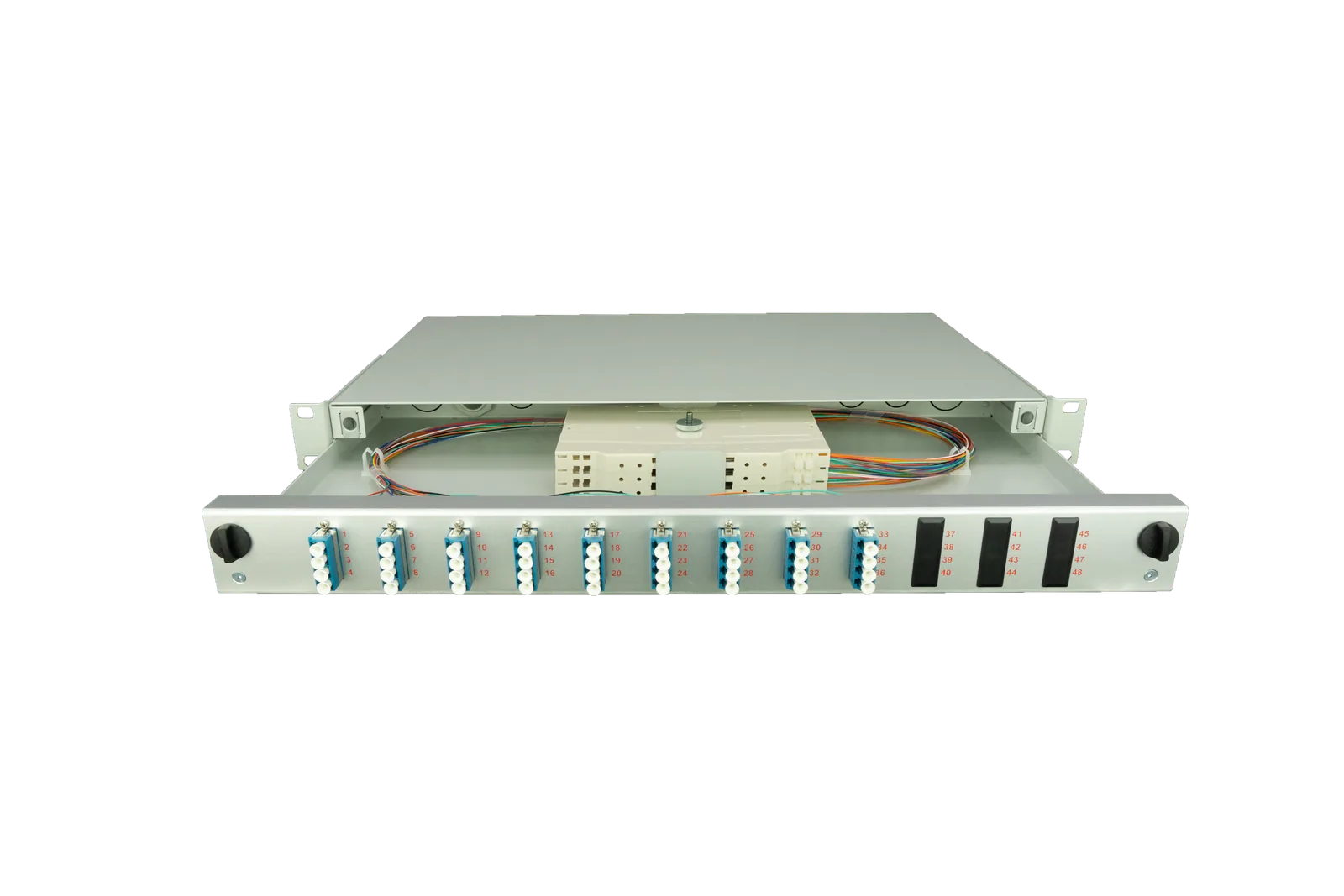
Today, successful channel partner fiber optic strategies are no longer based solely on price advantages or availability, but on the ability to develop and market unique solution concepts. Modular fiber optic differentiation through innovative product approaches and service-oriented business models creates distance from the competition and enables profitable margin structures.
The transformation from traditional reseller to strategic channel partner requires both technical expertise and business foresight. Companies that successfully master this evolution position themselves as indispensable partners for their customers and create long-term, profitable business relationships.
The evolution of the channel partner model in the fiber optic segment
From product sales to solution partnership
The traditional approach of pure product sales is increasingly being replaced by holistic solution partnerships. Modern channel partner fiber optic concepts focus on value-added services, consulting services and long-term customer support. This development opens up new business opportunities and creates more stable sales structures.
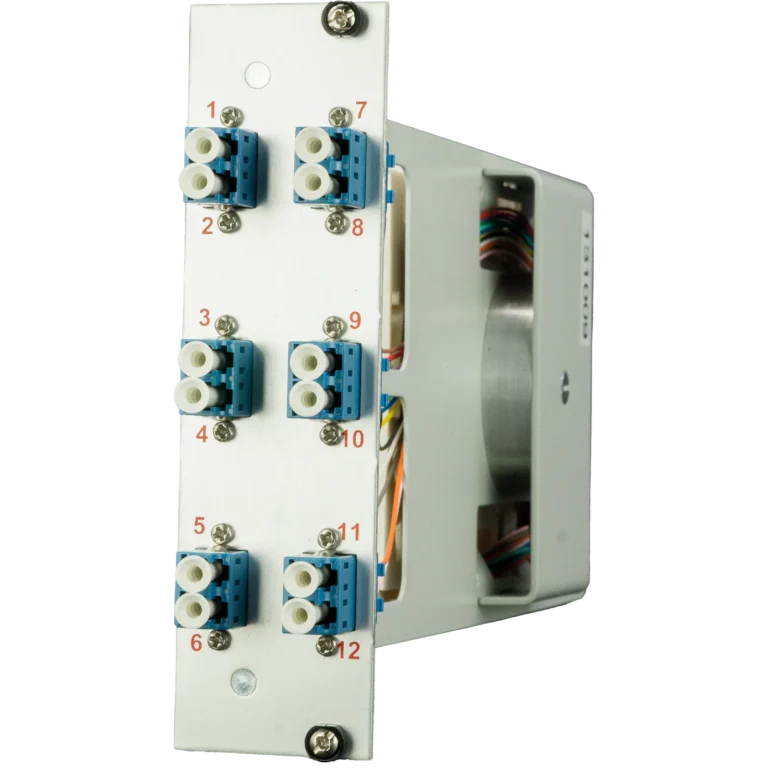
Modular fibre optic differentiation supports this transformation with flexible, customizable product concepts that enable tailor-made customer solutions. SlimConnect and VarioConnect systems, for example, offer modular components that can be configured for a wide range of application scenarios.
The service-friendly design with extendable modules creates additional differentiation through reduced maintenance times and improved system availability. These are concrete advantages that channel partners can communicate to their customers and use as a unique selling point.
Technological expertise as a competitive advantage
In a technically demanding market such as the fiber optic segment, in-depth technological expertise is becoming a decisive differentiator. Channel partner fiber optic companies must not only sell products, but also act as competent consultants and solution architects.
Modular fiber optic differentiation through innovative technology concepts enables channel partners to position themselves as technology leaders. The systematic architecture of modular systems facilitates both our own understanding and customer communication of complex technical contexts.
Particularly in demanding segments such as data centers, Industry 4.0 or smart city projects, technological expertise creates decisive competitive advantages and enables premium positioning.
Developing service-oriented business models
The future of successful channel partners lies in service-oriented business models that go beyond traditional product sales. From planning services to installation and long-term support – channel partner fiber optic companies develop comprehensive service portfolios.
Modular fiber optic differentiation supports service-oriented approaches through maintenance-friendly designs and modular expandability. The extendable modules in modular splice systems, for example, enable efficient maintenance work without system interruptions.
These technical advantages can be translated into specific service offers: Faster maintenance, less downtime and predictable expansion cycles create added value for which customers are willing to pay premium prices.
Strategic partner selection for sustainable success
Quality before price: long-term business strategy
Successful channel partners understand that sustainable business success is based on quality and trust, not on short-term price advantages. The choice of partner should therefore take strategic criteria into account: Product quality, technology leadership, support structures and long-term business stability.
Modular fiber optic differentiation through high-quality European products creates trust among demanding customers and reduces support costs thanks to lower failure rates. The 5-year warranty on fiber optic components, for example, reduces warranty risks and creates planning security.
Quality-oriented channel partner fiber optic strategies enable higher margins and more stable customer relationships. Customers are willing to pay premium prices for demonstrable quality and reliability.
Technological roadmap and future security
Channel partners need to anticipate technology trends and choose partners that ensure continuous innovation and development. The fiber optic industry is evolving rapidly and outdated product concepts can quickly lead to competitive disadvantages.
Modular fiber optic differentiation through future-proof architectures makes it possible to gradually integrate new technologies and standards without devaluing existing investments. For example, modular front modules can accommodate new connector standards without changing the basic infrastructure.
Future-proof technology creates trust among customers and enables long-term planning cycles. Channel partners who can demonstrate technological leadership gain strategic customer relationships.
Support structures and partner care
The quality of manufacturer support has a significant impact on success as a channel partner. From technical support and marketing assistance to training courses – comprehensive partner programs create competitive advantages.
Modular fiber optic differentiation is reinforced by competent technical support: detailed product documentation, planning tools and application engineering support channel partners in complex customer projects.
Direct communication channels without complex hierarchies enable fast problem solving and efficient project management. This is particularly important for time-critical installations or complex technical requirements.
Differentiation through modular technology concepts
Scalability as a sales argument
Modular fiber optic differentiation creates compelling sales arguments through demonstrable scalability. Customers can start with cost-effective basic configurations and expand their systems as their requirements grow.
This flexibility is particularly valuable for growing businesses, educational institutions with evolving IT strategies or smart city projects with phased implementation. Channel partners can build long-term business relationships rather than one-off sales.
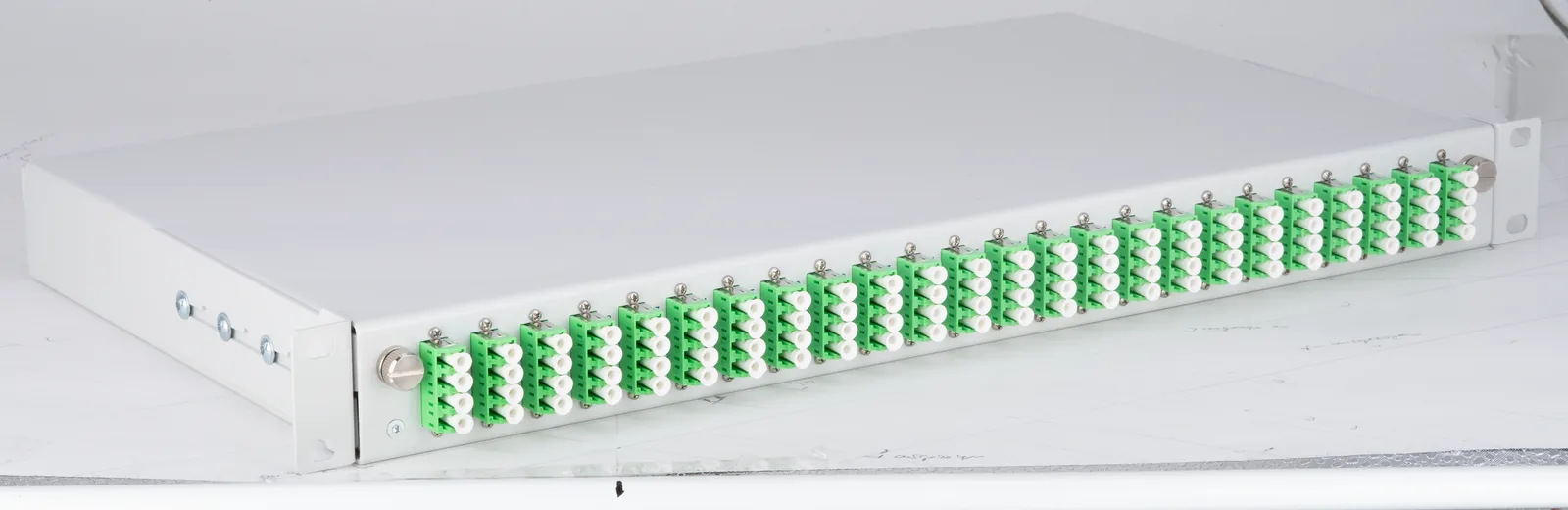
VarioConnect systems demonstrate this scalability in concrete terms: from a few connections to high-density configurations with hundreds of ports – all in the same modular architecture.
Service friendliness as a customer benefit
The extendable modules and service-friendly design of modular fiber optic systems create concrete customer benefits that channel partners can use as differentiating features. Reduced maintenance times, lower failure risks and simpler expansions are measurable advantages.
Modular fiber optic differentiation through service-friendly design reduces the total cost of ownership for customers and creates arguments for quality-oriented investment decisions. Channel partners can translate these advantages into concrete ROI calculations.
Especially in critical environments such as data centers or transport companies, service-friendliness is a decisive selection criterion that justifies premium prices.
Standardization with maximum flexibility
Modular fibre optic differentiation combines the advantages of standardized components with maximum configuration flexibility. Channel partners can optimize their warehousing and offer tailor-made customer solutions at the same time.
Standardized modules such as BasicConnect front modules can be used in different system configurations, which simplifies inventory management and reduces investment risks.
This flexibility enables channel partners to operate economically even with smaller quantities and to serve niche markets that are of no interest to larger providers.
Strengthening customer relationships through value-added services
Consulting services as a differentiating feature
Channel partner fiber optic companies can differentiate themselves from pure product suppliers through competent consulting services. From the initial needs analysis to system planning and lifecycle consulting – comprehensive services create customer loyalty and higher margins.
Modular fiber optic differentiation supports consulting services with comprehensible system architectures and transparent scaling options. Customers understand the advantages of modular approaches and appreciate the associated investment security.
Consulting expertise for special application areas such as educational institutions or industrial applications creates additional differentiation and enables specialization in profitable niche markets.
Installation and commissioning services
The service-friendly design of modular systems enables channel partners to develop efficient installation services. Shorter installation times thanks to extendable modules and systematic fiber routing reduce personnel costs and increase customer satisfaction.
Modular fiber optic differentiation through installation-friendly concepts creates competitive advantages in tenders and enables competitive bids even for fixed-price projects.
Standardized installation processes and documented best practices increase quality consistency and reduce project risks. This is particularly important when expanding into new markets or training additional installation teams.
Maintenance and support as a business segment
Channel partners can develop profitable service business from maintenance-friendly product features. Regular maintenance contracts create predictable sales and strengthen customer relationships through continuous contact.
Modular fiber optic differentiation through extendable modules and granular maintenance options enables eficient service processes and reduces maintenance times. This leads to higher profitability of service contracts.
Preventive maintenance and continuous monitoring can be offered as premium services that prevent system failures and increase customer satisfaction.
Market positioning and competitive strategy
Premium positioning through quality leadership
Channel partners who focus on modular fiber optic differentiation through quality products can position themselves in the premium segment and achieve above-average margins. This strategy requires a consistent focus on quality in all business areas.
European quality standards, 5-year guarantees and demonstrable performance benefits create trust among quality-conscious customers and justify premium prices. Channel partner fiber strategies in the premium segment are less price sensitive and offer more stable business fundamentals.
Premium positioning also requires corresponding service levels and customer care. Channel partners must invest in expertise, support structures and customer experience.
Niche specialization as a strategy for success
Modular fibre optic differentiation enables channel partners to specialize in profitable niche markets that are often neglected by generalists. Specialization creates expert status and reduces price competition.
Markets such as offshore wind power, transport companies or healthcare have special requirements that specialized channel partners can serve better than generalists.
Niche specialization requires a deep understanding of the market and adapted solution concepts, but also offers higher margins and more stable customer relationships.
Developing regional market leadership
Channel partner fiber optic strategies can also be geared towards regional market leadership. Local presence, fast service and personal customer relationships create competitive advantages over supra-regional providers.
Modular fibre optic differentiation supports regional strategies through flexible, decentralized service concepts. Standardized modules can be stockpiled locally, while more complex systems are configured centrally.
Regional market leadership is based on trust, availability and service quality – factors that are supported by modular, maintenance-friendly product concepts.
Operational excellence as a success factor
Efficiency through modular warehousing
Modular fibre optic differentiation not only optimizes customer solutions, but also the internal processes of channel partners. Standardized modules reduce warehouse complexity and working capital while maintaining maximum configuration flexibility.
DIN rail boxes, SlimConnect modules and VarioConnect components can be stocked in standard configurations and configured to customer specifications as required.
This efficiency enables channel partners to achieve faster delivery times and reduced capital commitment – important competitive advantages in a dynamic market.
Developing scalable business processes
Channel partners need to optimize their business processes for growth and scaling. Modular fibre differentiation supports scalable processes by standardizing and systematizing complex technical processes.
Standardized planning, installation and maintenance processes make it possible to train additional employees more quickly and maintain consistent service quality. This is crucial for successful expansion and growth.
Documented best practices and systematic quality control create the basis for reproducible business success and reduce personal risks.
Digitization of channel processes
Modern channel partner fibre optic companies use digital tools to optimize their business processes. From CRM systems and project management tools to automated maintenance planning – digitalization creates efficiency and competitive advantages.
Modular fiber optic differentiation can be reinforced by digital tools: Configuration software, automatic quotation generation and digital documentation optimize sales and service processes.
Integration of different business systems creates transparent processes and enables data-based decisions for continuous improvement.
Long-term business development and growth strategies
Customer loyalty through lifecycle services
Channel partner fiber success is based on long-term customer relationships, not one-off transactions. Modular fiber differentiation through expandable systems creates continuous business opportunities over the life of the infrastructure.
From initial installation to regular maintenance and step-by-step expansions – modular systems generate recurring revenue and strengthen customer relationships through continuous value creation.
Lifecycle services require long-term planning approaches and investments in customer databases, maintenance systems and service organizations. The return on investment is reflected in stable, profitable customer relationships over many years.
Expansion into new market segments
Successful channel partners use their expertise to expand into related market segments. Modular fiber optic differentiation through flexible product concepts facilitates this diversification through transferable technology expertise.
Competence in data centers can be transferred to enterprise networks or smart city projects, for example. Modular product architectures reduce learning curves and investment risks.
Systematic market analysis and gradual expansion minimize risks and maximize chances of success when tapping into new business areas.
Innovation and technology leadership
Channel partners who strive for long-term success must continuously invest in innovation and technology leadership. Modular fiber differentiation supports innovation strategies through ease of experimentation and gradual technology integration.
New technologies can be tested in modular systems and introduced gradually without jeopardizing existing installations. This enables channel partners to implement early-adopter strategies with controlled risks.
Continuous training, technology partnerships and in-house R&D activities keep channel partners at the forefront of technological developments and create sustainable competitive advantages.
Performance measurement and continuous optimization
Key performance indicators for channel success
Channel partner fiber optic companies need systematic performance measurement to continuously optimize their strategies. Relevant KPIs include both financial and operational key figures: Sales growth, margin development, customer satisfaction and market share.
Modular fiber optic differentiation creates measurable benefits that can be mapped in KPIs: Reduced maintenance times, higher system availability and improved customer satisfaction are quantifiable success factors.
Regular analysis and benchmark comparisons identify optimization potential and support strategic decisions for business development.
Customer feedback as a driver of innovation
Systematic customer feedback provides valuable insights for product development and service optimization. Channel partners should establish structured feedback processes and integrate customer feedback into their business development.
Modular fiber optic differentiation can be continuously improved through customer feedback: Application experience is incorporated into product optimization and new solution concepts.
Close customer relationships and regular exchanges create trust and enable proactive problem solving before escalation.
Continuous process optimization
Channel Partner Glasfaser Success requires continuous optimization of all business processes. From sales and installation to service – all areas must be systematically analyzed and improved.
Modular glass fibre differentiation supports process optimization through standardization and simplification of complex processes. Standardized modules, documented procedures and systematic quality control create efficient, reproducible processes.
Lean management principles and continuous improvement cycles optimize efficiency and quality in the long term.
Conclusion: Modular differentiation as the key to channel success
Channel Partner Fiber Success in the 21st century is based on intelligent differentiation through technology, service and competence. Modular fiber optic differentiation provides the ideal basis for sustainable competitive advantages and profitable business development.
The combination of technological excellence, service-oriented positioning and operational efficiency creates the basis for long-term channel partner success. Modular fiber optic differentiation through innovative product concepts strengthens these foundations for success and enables premium positioning in a highly competitive market.
Successful channel partners continuously invest in competence development, customer loyalty and innovation. They understand that sustainable business success is based on trust, quality and added value – values that are optimally supported by modular fiber optic differentiation.
The future belongs to channel partners who combine technology leadership with excellent service and continuous innovation. Modular fiber optic differentiation will be the decisive success factor for sustainable market positioning and profitable business development.
At Fiber Products, we develop modular fiber optic systems for the highest quality requirements. Our modular systems combine proven technology with innovative features. With a 5-year guarantee and European production to German quality standards, we offer competitive prices and premium quality for professional fiber optic networks.
Discover our complete product range or visit our online store. Talk to us – together we will develop the optimal solution for your channel partner project. Contact us for an individual consultation or find out more about other specialist topics in our fiber optic knowledge blog.